Maintain Distinct Clean Layers in Iced Matcha Fruit Cups
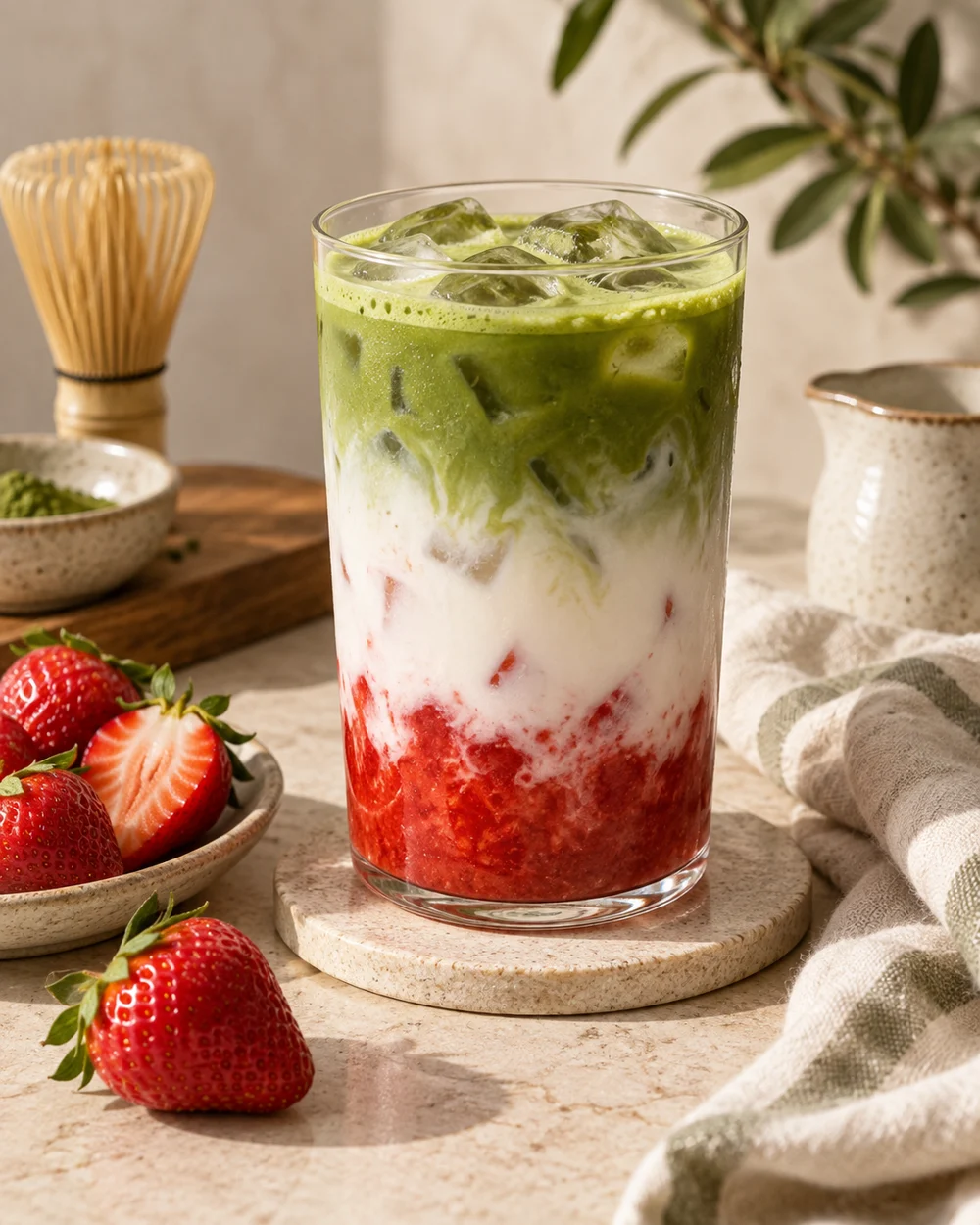
Distinct visual separation between fruit puree, cold pasteurized milk, and whisked green tea relies on differences in liquid thickness and gentle pouring. When liquids pour too quickly or share similar weights, they mix easily into an uneven blend. Creating neat layers requires anchoring the base with a thick fruit puree, adding cold milk slowly over ice, and spooning whisked matcha gently over the top so the colors remain distinct during serving.
Read the note ↓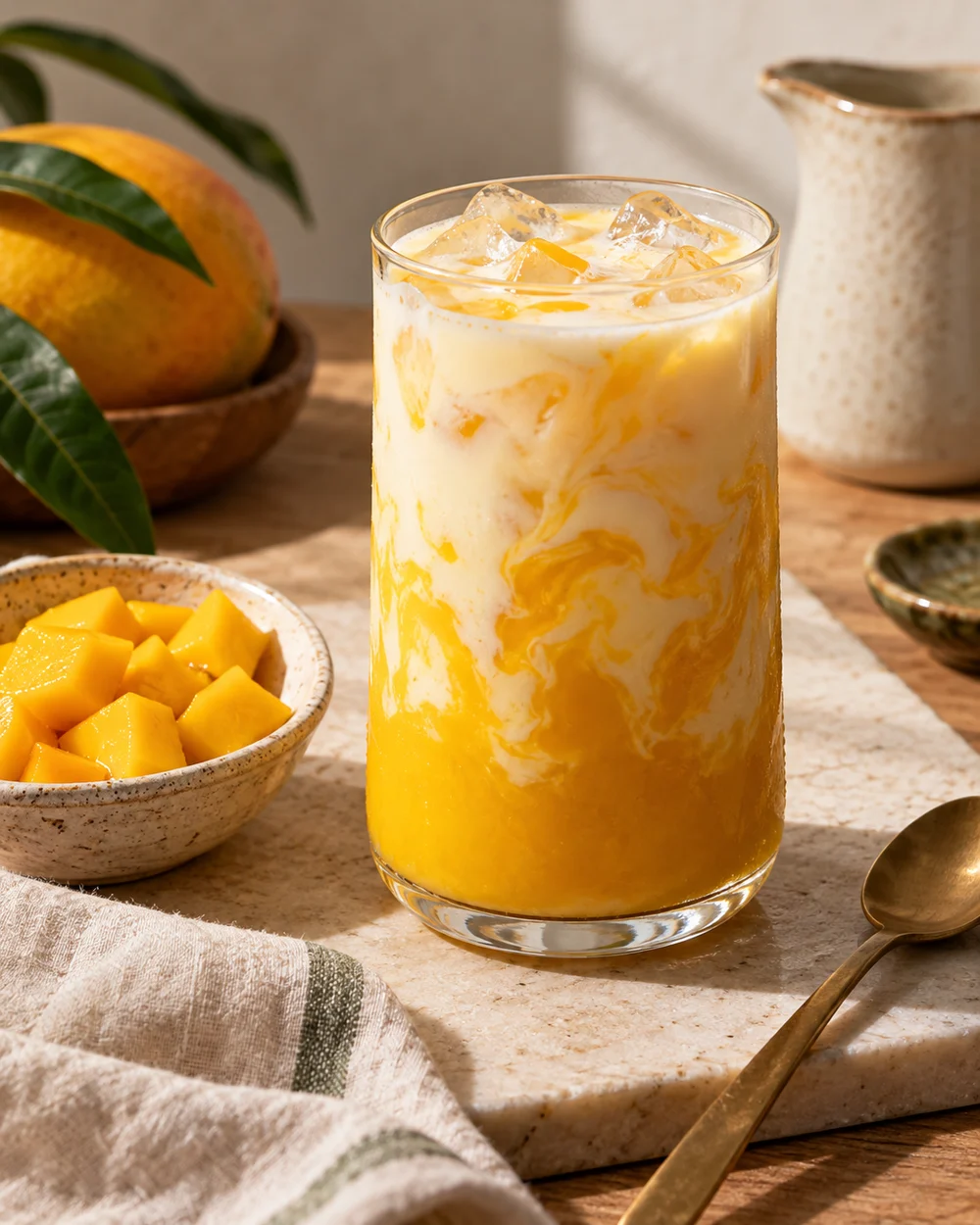
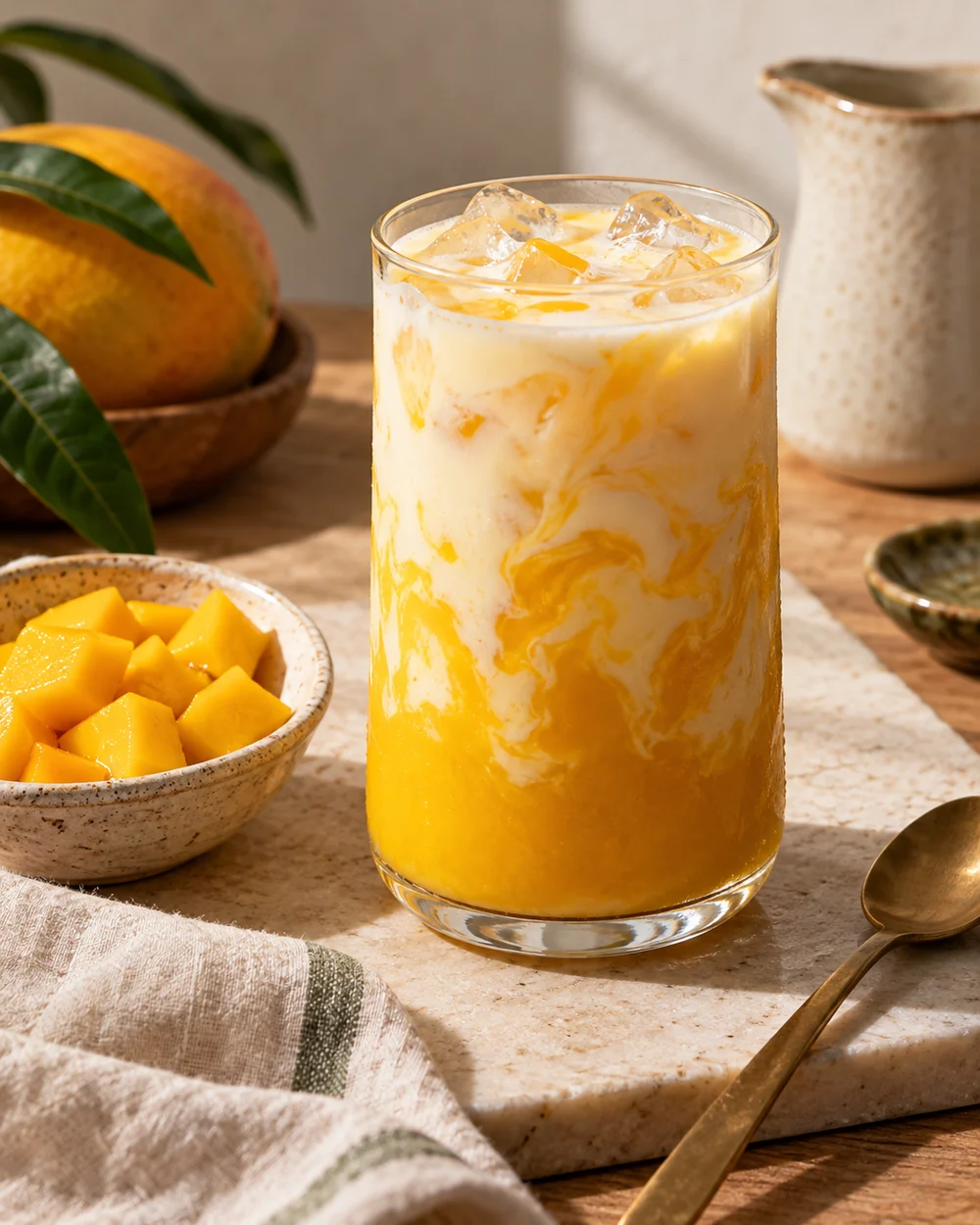
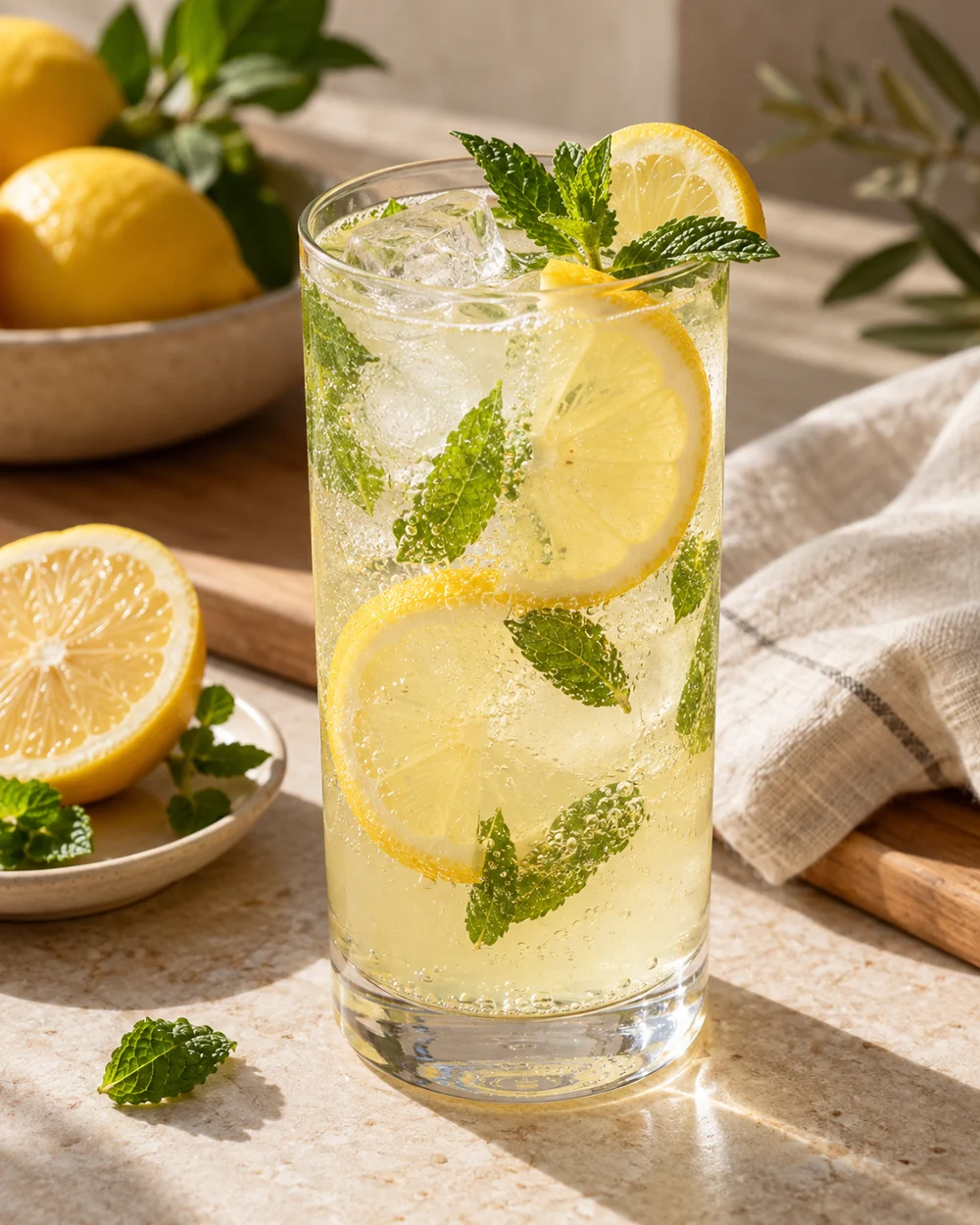
Representative category illustration reused from our editorial library; it does not depict this specific project or a tested result.
Establishing A Dense Base
Fruit purees sweetened with sugar or syrup form the heaviest component in the drink, creating a stable base at the bottom of the glass. Strained mango, strawberry, or passion fruit puree works best with a thick, spoonable consistency. Spoon the puree carefully into the bottom of the glass without splashing the inner walls, creating an even, neat layer that stays in place when lighter liquids are poured above it.
Adding The Ice Buffer
Fill the glass generously with ice cubes directly over the fruit base. The ice serves a practical purpose beyond chilling: it slows the downward flow of liquids added on top. By breaking the stream of milk as it pours, the cubes prevent the liquid from disturbing or mixing into the resting fruit layer below. Place the cubes carefully so they provide an even barrier across the glass.
Layering Cold Pasteurized Milk
Pour cold pasteurized whole milk gently over the ice rather than down the bare glass sides. Cold milk is lighter than the sweetened fruit puree but heavier than the tea, allowing it to rest naturally on top of the fruit. Pour slowly from a small pitcher held close to the ice cubes. The milk trickles down over the ice and settles gently above the fruit, forming a clear, contrasting middle layer.
Matcha Preparation And Aeration
Whisk 2 grams of sifted green tea powder with 60 milliliters of warm water using a bamboo whisk until a fine foam forms on the surface. Frothing the matcha creates a light texture that helps it float smoothly over the milk. Let the whisked tea cool briefly before pouring, as hot liquid can melt the ice quickly and cause the layers to blend together prematurely.
Worked Layering Assembly
For an illustrative 350-milliliter glass, place 45 milliliters of dense strawberry puree at the bottom. Fill the vessel with 180 grams of solid ice cubes. Slowly pour 120 milliliters of cold pasteurized whole milk over the ice, pausing halfway up. Pour the prepared 60 milliliters of whisked matcha directly onto the top-most ice cube using a spoon back to disperse flow. Serve immediately, keeping pasteurized milk components below 4C until the moment of assembly.
A little more
to know.
Why does the green tea layer sink into the milk after several minutes?
As the ice melts, extra water dilutes the drink and shifts the balance between the layers, causing the tea and milk to blend naturally. Layered iced drinks are meant for fresh presentation, so serve and enjoy them promptly after pouring.
Can thin, unsweetened fruit juice be used instead of puree for the base?
Thin, unsweetened juices do not have enough thickness or sugar to stay separated beneath milk. Milk is heavier than watery juice and will sink right through it. To build a clean bottom layer, use a thick fruit puree or blend juice with a sweetener until it reaches a rich, syrupy body.
Original editorial guidance and recipe formulations, not independently kitchen-tested. Times are estimates and depend on equipment and product directions. Cooked bases need additional cooling and refrigeration before cold serving. Images are AI-generated illustrations; appearance and yield may vary. Check actual ingredient labels, allergens, and any certification you require. We do not certify products. Read our approach.
Save to Pinterest ↗ANOTHER IDEA FOR THE COUNTER