Prevent Fat Separation in Stovetop Spiced Milk Drinks
Warming whole milk with cracked green cardamom and cinnamon can sometimes produce a tough surface skin or oily droplets on top. This separation happens when excessive heat dries out the milk surface and destabilizes the fat suspension. Keeping the stovetop heat moderate, whisking steadily, and serving promptly helps the beverage remain smooth and cohesive. With gentle heating and standard kitchen tools, spiced milk drinks can retain an even texture without requiring stabilizers or specialized equipment.
Read the note ↓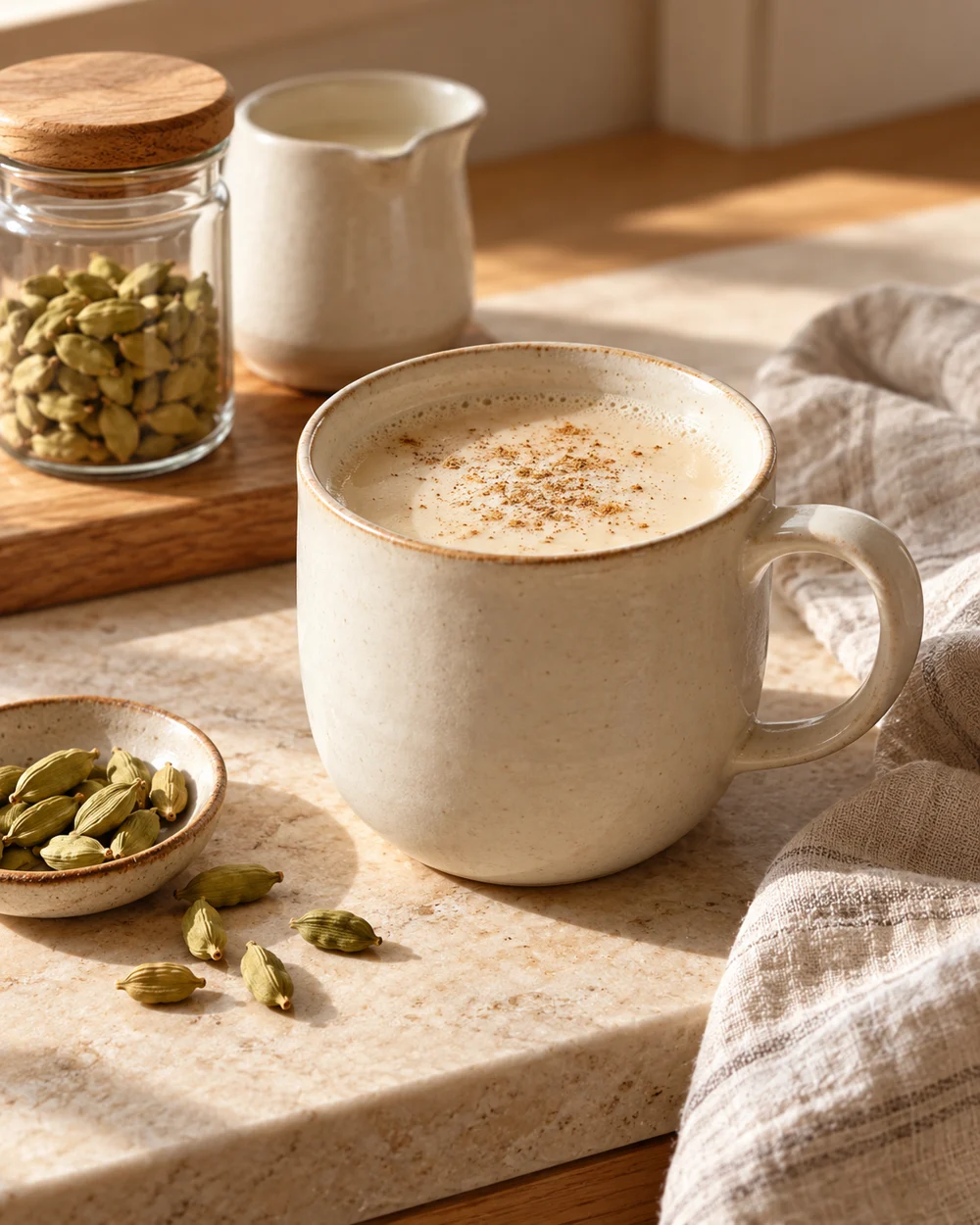
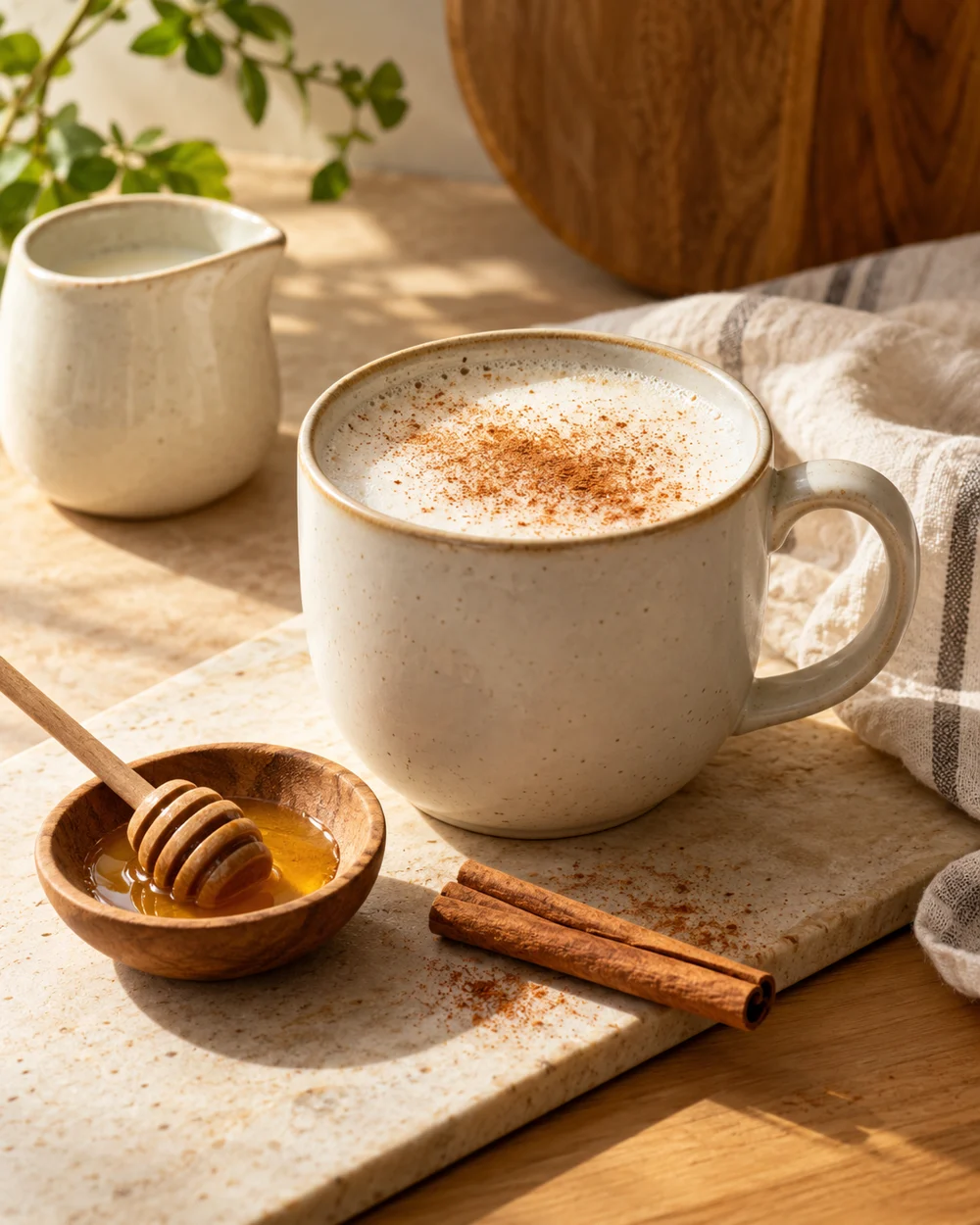
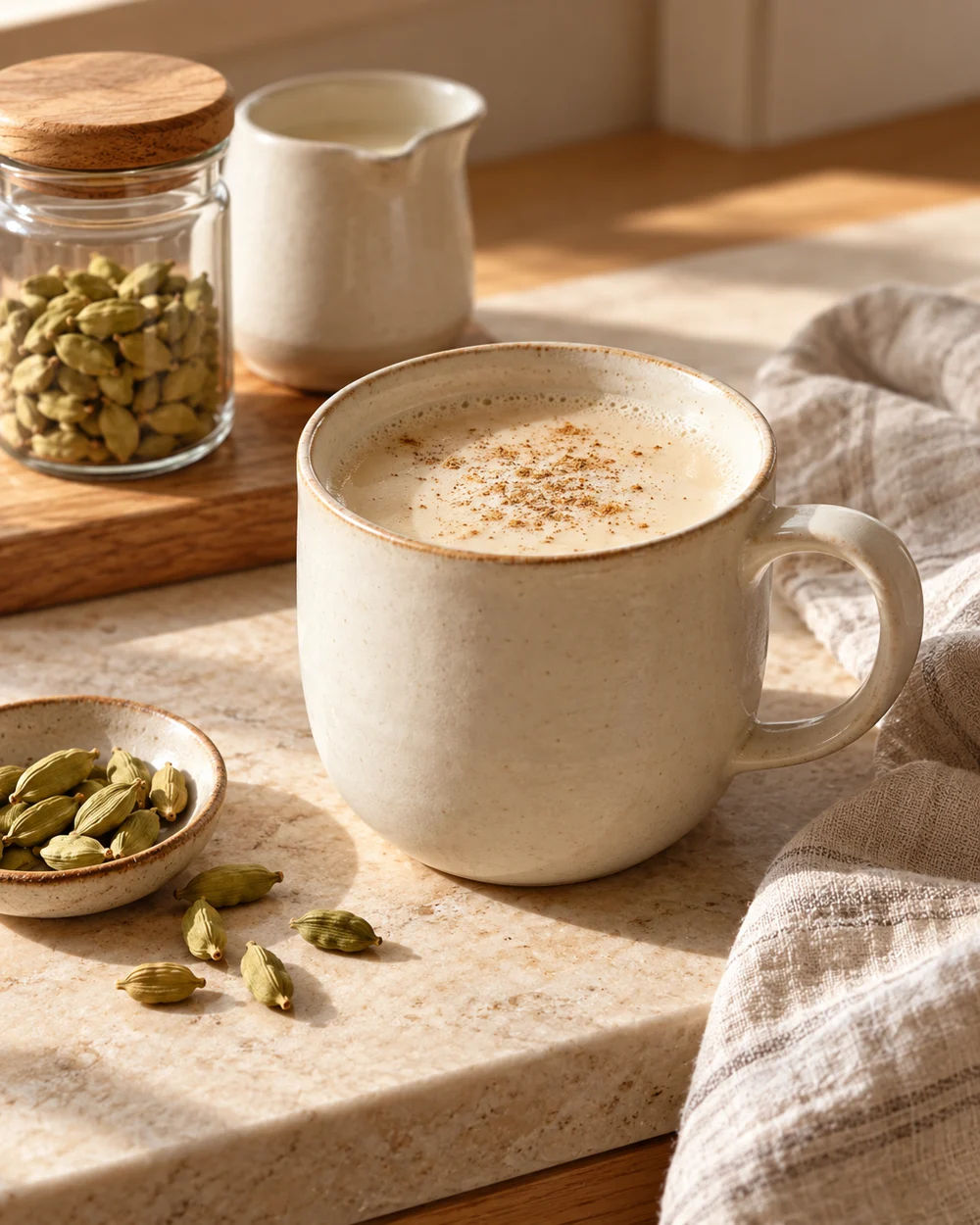
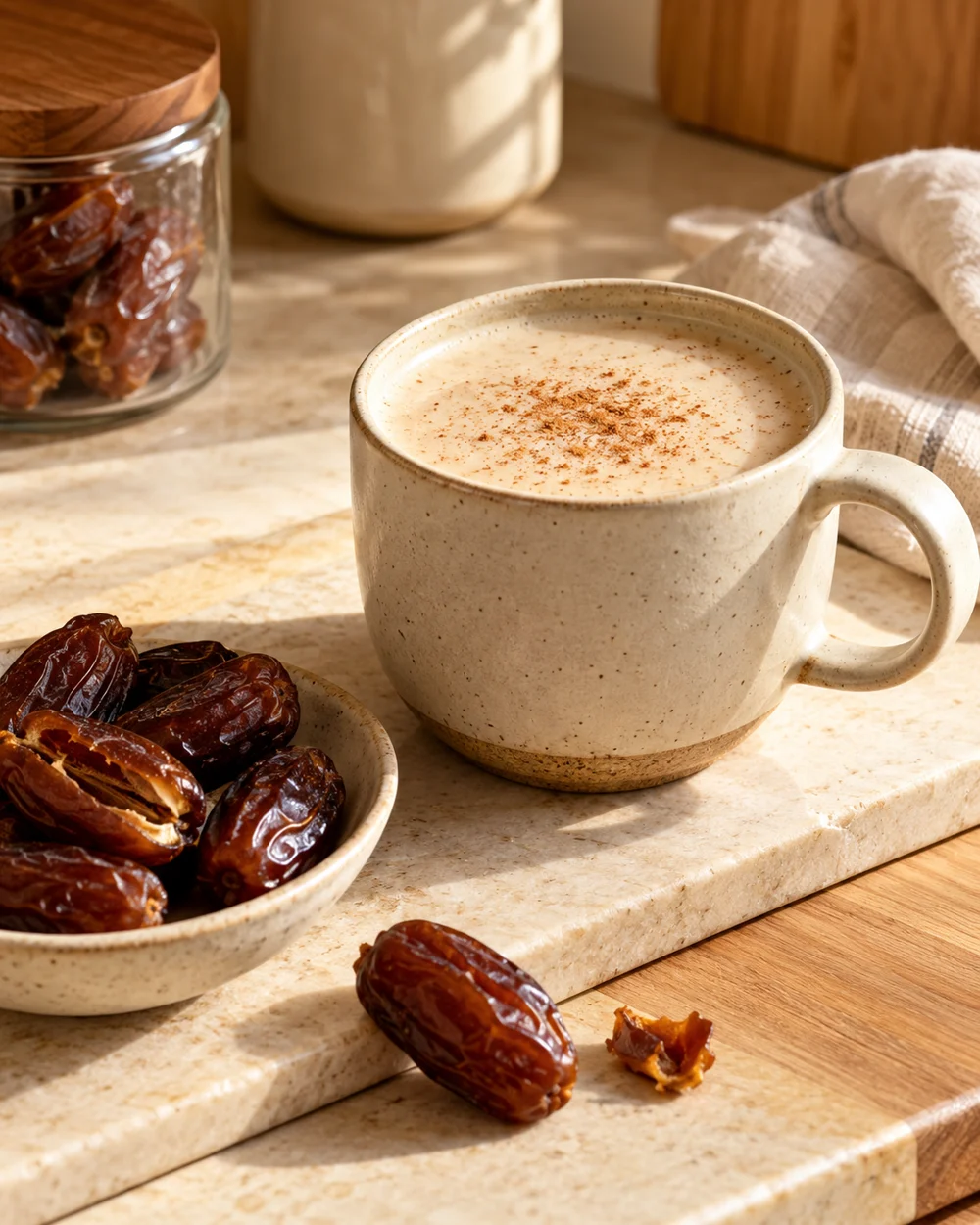
Representative category illustration reused from our editorial library; it does not depict this specific project or a tested result.
Understanding Emulsion Breakdown Under High Heat
As milk warms, surface evaporation concentrates proteins and fats at the air-liquid boundary, forming a thin skin. When milk gets too hot or reaches a boil, this drying surface layer and rising steam force melted milk fat out of suspension, leaving an oily layer on top. Ground spices can get trapped in this surface film, making the texture heavier and more noticeable. Keeping the heat gentle and stirring regularly prevents the milk from drying out at the surface and keeps the fat and liquid combined.
Monitoring Temperature Boundaries on the Stovetop
Place a heavy-bottomed small saucepan over medium-low heat to distribute heat evenly and minimize hot spots. A kitchen thermometer can help monitor the warming liquid rather than relying solely on visual steam cues. Aim for a comfortable drinking warmth, typically around 60 to 70 degrees Celsius, well before the milk approaches a rolling boil or vigorous simmer. If wisps of steam rise or tiny bubbles form along the edges of the pan, lower the heat or briefly lift the pot. Keeping the milk below a simmer helps avoid scorching and reduces the chance of fat separating into an oily film.
Active Whisking Techniques During Spicing and Reheating
Regular stirring or whisking keeps the milk moving and helps prevent a skin from forming across the surface. Use a small wire whisk rather than a spoon, gently sweeping the bottom and corners of the saucepan. This motion redistributes settled spice pieces, such as crushed cardamom pods and cinnamon fragments, ensuring they do not stick and burn on the pan base. Moving the whisk across the surface also breaks up any developing film before it can thicken into a cohesive layer. Maintain periodic whisking throughout the warming process, especially when gently reheating a previously prepared batch.
Managing Whole and Ground Spices in the Pan
Using lightly crushed whole spices releases pleasant aroma without adding excess fine sediment to the milk. Gently crack cardamom pods open rather than grinding them into fine powder, and break cinnamon sticks into smaller segments. If using ground cinnamon, whisk it thoroughly to break up dry clumps that could settle and scorch on the bottom of the pan. Adding spices during the gentle warming phase gives their aromatic oils time to infuse into the warm liquid without requiring prolonged or high-temperature boiling.
Immediate Portioning and Perishable Milk Storage
Pour the spiced milk directly through a fine sieve into pre-warmed ceramic mugs immediately upon reaching the target temperature, preventing resting separation. If any leftover beverage remains in the pan, cool it rapidly by placing the saucepan into a cold water basin. Transfer the liquid into a clean, airtight glass bottle and place it in a refrigerator maintained at 4 degrees Celsius or below within two hours. Consume the refrigerated portion within two days to maintain clean milk flavor.
A little more
to know.
Can whole milk with fat separation be rescued once boiled?
Boiled milk that has separated cannot fully regain its original emulsion by simple stirring. Pouring it through a fine-mesh sieve removes the congealed protein skin, and a high-speed manual whisking off the heat will temporarily redisperse remaining surface fats for immediate consumption.
Does whole dairy milk behave differently from low-fat milk?
Lower-fat milk contains fewer fat globules, making greasy surface separation less obvious, but its higher relative protein ratio creates a tougher surface skin more quickly. Whole milk requires closer temperature moderation to prevent free butterfat pooling from the richer fat content.
Original editorial guidance and recipe formulations, not independently kitchen-tested. Times are estimates and depend on equipment and product directions. Cooked bases need additional cooling and refrigeration before cold serving. Images are AI-generated illustrations; appearance and yield may vary. Check actual ingredient labels, allergens, and any certification you require. We do not certify products. Read our approach.
Save to Pinterest ↗ANOTHER IDEA FOR THE COUNTER