Prevent Chalky Residue When Using Starch Thickener in Warm Drinks
Warm grain drinks and thickened spiced teas offer comforting, smooth textures, but adding starch directly into hot liquid often creates a chalky feel or gummy clumps. Starch needs adequate liquid and steady heat to swell and cook through properly. If the beverage is undercooked, raw starch particles leave a powdery sensation on the palate. Mixing a smooth cold slurry beforehand and simmering the drink gently helps the starch cook evenly, creating a pleasant, uniform consistency.
Read the note ↓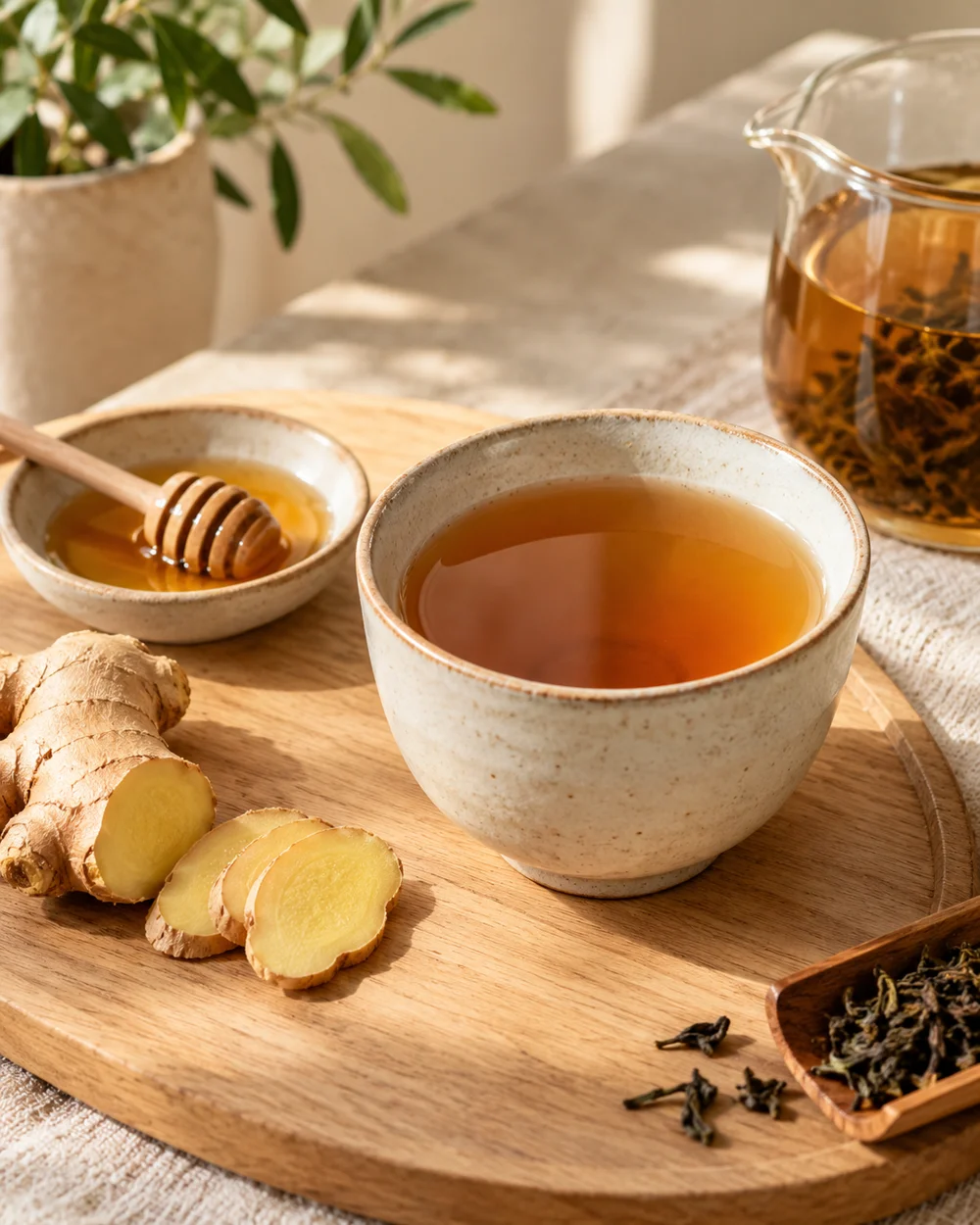
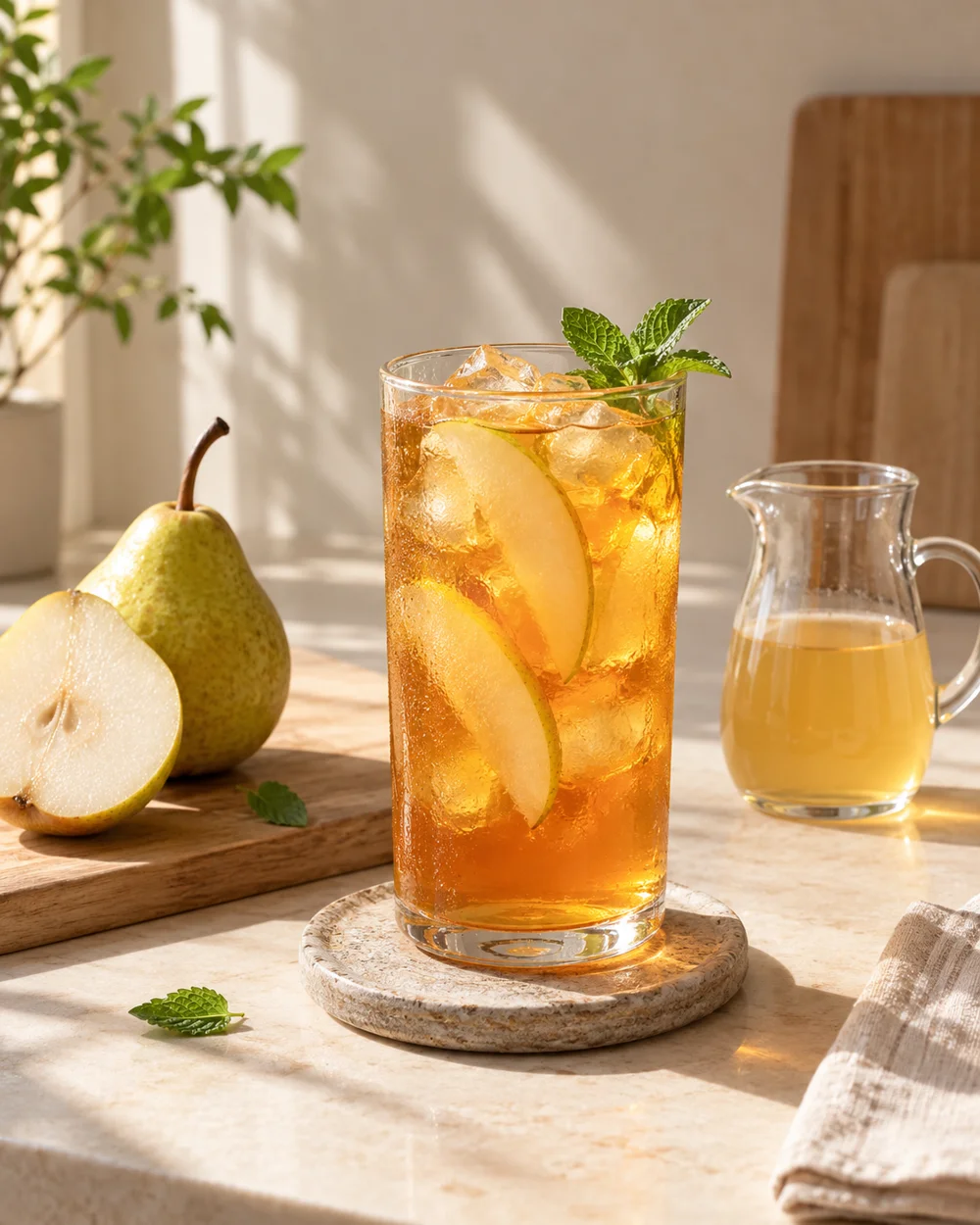
Representative category illustration reused from our editorial library; it does not depict this specific project or a tested result.
Starch Hydration Dynamics
Starch thickeners such as white rice flour or cornstarch clump easily if added directly to hot liquid. The heat cooks the outside of dry starch clusters immediately, trapping dry, raw starch inside gummy lumps that cannot dissolve. To avoid this, starch should always be mixed into a small amount of cold liquid first. This separates the dry particles evenly before heating, allowing the mixture to thicken smoothly once added to the hot base.
Preparing The Cold Slurry
Measure the starch into a small bowl and add roughly twice its volume of cold filtered water or cold pasteurized milk. Stir the mixture thoroughly with a small spoon until it forms a smooth, lump-free liquid with no dry flour sticking to the bottom. Do not leave the slurry standing for long periods, as starch particles will settle to the bottom over time. Give the slurry a quick stir right before pouring it into your hot drink.
Reaching Gelatinization Thresholds
Pour the prepared slurry into the hot beverage in a steady stream while whisking constantly to keep lumps from forming. Starch must reach a gentle simmer to cook through and thicken properly. Keeping the heat too low leaves the starch undercooked, resulting in a thin body and a raw, powdery taste. Bring the liquid up to a gentle, steady simmer where small bubbles actively break across the surface.
Holding The Gentle Simmer
Once the drink begins bubbling, lower the heat slightly to maintain a gentle simmer and cook for two to three minutes while stirring constantly. This cooking time allows raw starch to lose its floury taste and achieve a smooth, creamy texture. Avoid rolling, violent boiling, as vigorous boiling and prolonged excessive heat can cause thickened starch drinks to lose their body and turn thin again.
Worked Grain Cup Example
As an illustrative example, heat 240 milliliters of brewed spiced black tea in a small saucepan until steaming. Separately whisk 8 grams of fine white rice flour with 20 milliliters of cold water until smooth. Pour the slurry into the tea while whisking constantly. Bring the mixture to a gentle simmer and maintain it for two to three minutes with continuous stirring before serving hot. Promptly refrigerate any leftovers at 4C or below within two hours.
A little more
to know.
How can you tell if the starch has fully gelatinized without a thermometer?
A properly cooked beverage generally looks slightly glossier, coats the back of a spoon with noticeable thickness, and loses the aroma of raw flour. Tasting a small cooled sample can confirm whether the powdery mouthfeel is gone.
Why did the beverage turn watery after sitting warm on the stove?
Extended cooking or boiling at too high a temperature can weaken the structure of cooked starch. When starch is overcooked or boiled aggressively, its thickening ability degrades, causing the drink to loosen and become watery.
Original editorial guidance and recipe formulations, not independently kitchen-tested. Times are estimates and depend on equipment and product directions. Cooked bases need additional cooling and refrigeration before cold serving. Images are AI-generated illustrations; appearance and yield may vary. Check actual ingredient labels, allergens, and any certification you require. We do not certify products. Read our approach.
Save to Pinterest ↗ANOTHER IDEA FOR THE COUNTER