Preheat Thick Ceramic Cups to Preserve Extraction Temperature
Thick stoneware and heavy porcelain cups provide satisfying weight and thermal durability, but their substantial physical mass works against beverage quality if used cold. When hot espresso or pour-over coffee strikes room-temperature ceramic, rapid conductive heat transfer immediately strips critical thermal energy from the liquid. This drop collapses perceived aromatics and highlights sour notes before the first sip. Incorporating a deliberate preheating routine into your grinding and preparation sequence neutralizes this thermal deficit, ensuring your carefully extracted coffee tastes precisely as intended.
Read the note ↓
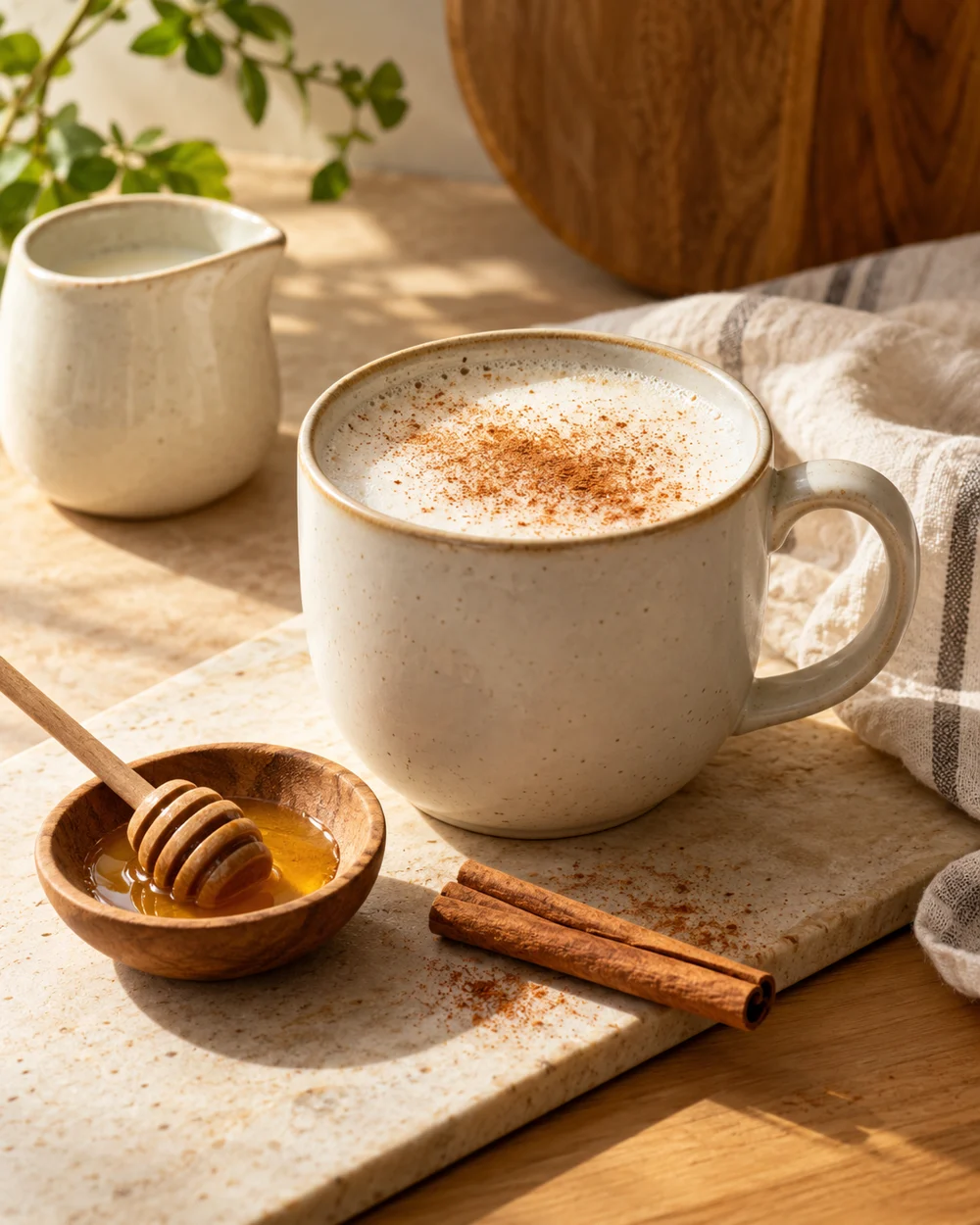
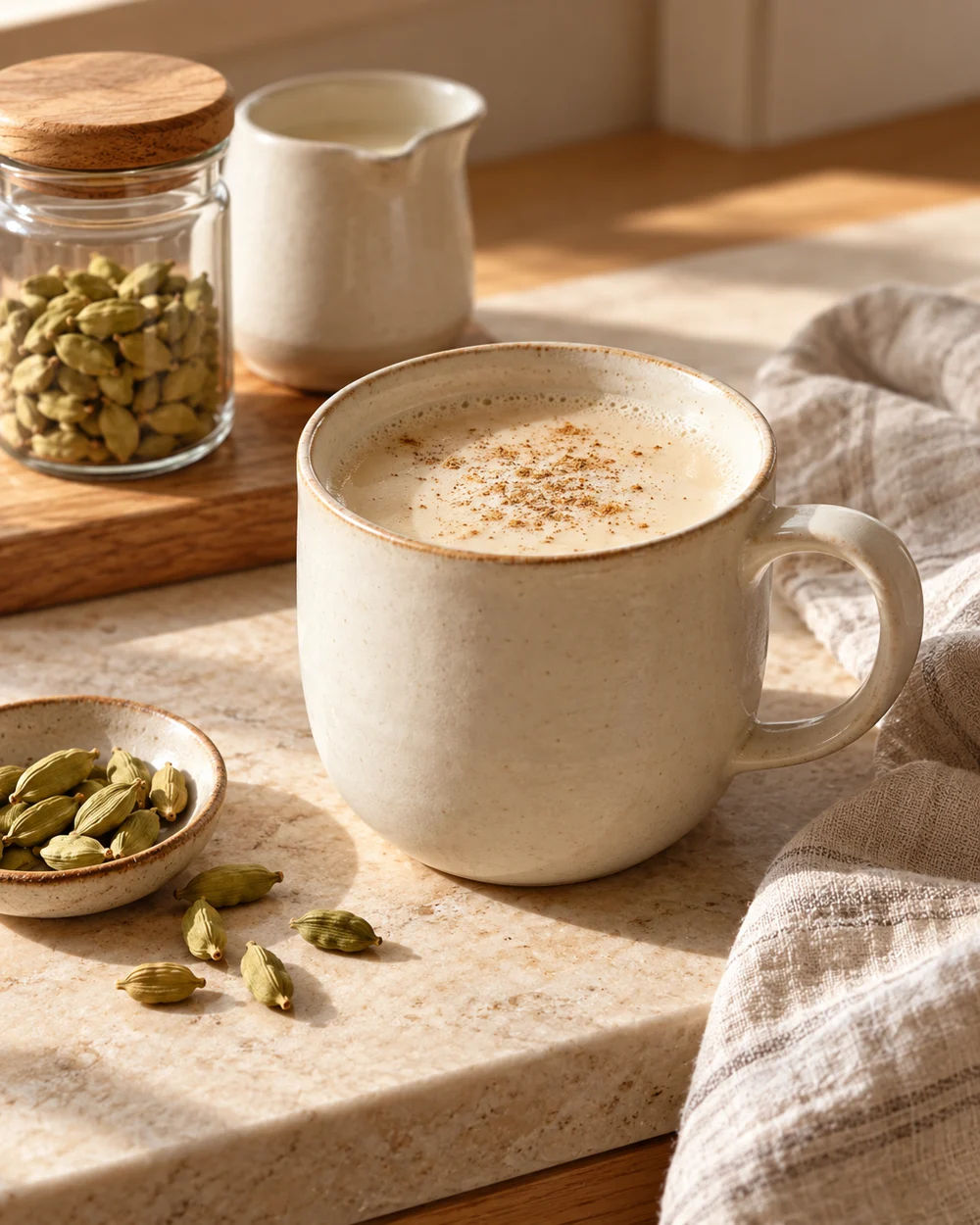
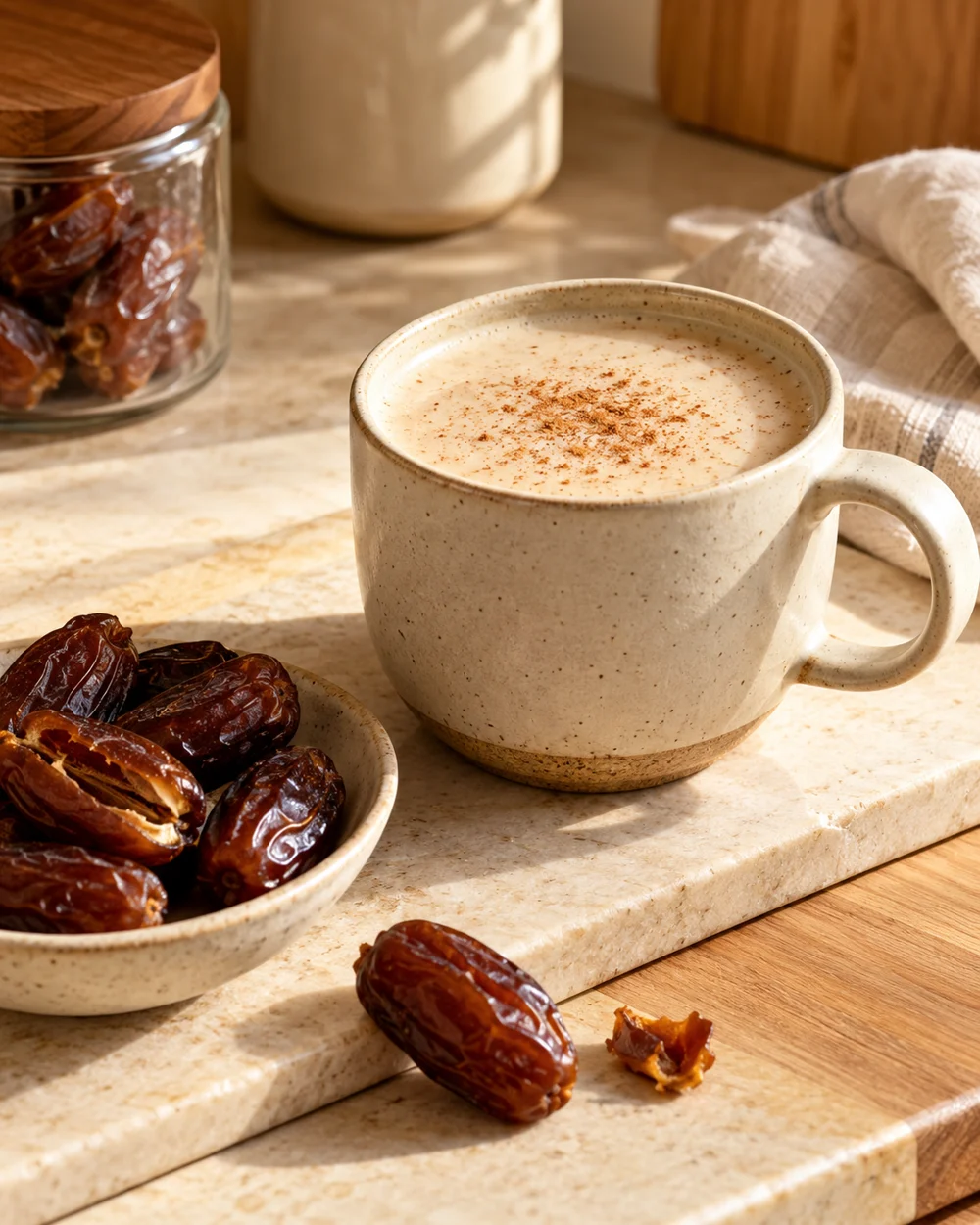
Representative category illustration reused from our editorial library; it does not depict this specific project or a tested result.
Understand Ceramic Thermal Mass
Dense ceramic materials act as effective heat sinks. A typical 250-gram stoneware vessel holds enough thermal inertia to reduce a 60-milliliter double espresso by up to 15 degrees Celsius within seconds of contact. Pour-over brews face similar drops, dulling delicate floral and sweet notes. Ceramic requires significant thermal energy to reach equilibrium. Without an external heat source applied prior to brewing, that required energy comes entirely from the freshly extracted coffee beverage itself.
Integrate Water with the Grinding Step
Maximize kitchen workflow efficiency by pairing cup warming with your bean preparation. Before weighing or grinding coffee beans, draw freshly boiled water from your kettle into the serving mug. Fill the vessel completely to the brim so the upper lip reaches the same temperature as the lower base. By starting this step first, the ceramic absorbs thermal energy passively while you measure, grind, and level the coffee grounds for extraction.
Allow Sufficient Thermal Saturation
Thick pottery requires time for heat to migrate from the inner glazed surface through to the outer wall. A brief rinse of five seconds only warms the glaze microscopically, leaving the core cold. For an illustrative 180-milliliter stoneware cup with 5-millimeter walls, leaving 95-degree-Celsius water inside for 45 to 60 seconds raises the internal ceramic temperature thoroughly. Touch the outside surface; the exterior should feel distinctly warm before emptying the vessel.
Empty and Dry Before Dispensing
Just as your brew cycle completes or immediately prior to pulling your espresso shot, discard the hot water into your drip tray or sink. Use a dedicated, clean cloth to wipe the interior cavity dry. Residual water droplets left in the cup will dilute the beverage strength, alter the dissolved solids ratio, and prematurely destabilize the delicate crema of an espresso or body of a pour-over.
Handle Temperature Differences Sensibly
Adjust your warming volume according to the drink size and cup material. Fine bone china absorbs heat rapidly and requires less contact time, whereas thick-walled artisanal pottery demands a full fill with water just off the boil. If preparing milk-based drinks, warming the cup also prevents cold ceramic from rapidly dropping the temperature of frothed milk, preserving microfoam texture without needing to scald milk beyond standard serving ranges.
A little more
to know.
Can ceramic cups be warmed in a microwave instead of using water?
Microwaving dry ceramic can cause uneven heating or stress hairline flaws in glazes. Hot water provides uniform, predictable conduction across the entire inner surface while safeguarding handmade pottery from localized thermal shock or cracked handles.
Does preheating the cup alter the flavor balance of light-roast coffee?
Preheating prevents sudden cooling that exaggerates sharp acidity. By stabilizing beverage temperature closer to extraction levels, delicate sweetness and volatile aromatics linger longer, allowing flavor attributes to decline smoothly as the cup cools naturally over time.
Original editorial guidance and recipe formulations, not independently kitchen-tested. Times are estimates and depend on equipment and product directions. Cooked bases need additional cooling and refrigeration before cold serving. Images are AI-generated illustrations; appearance and yield may vary. Check actual ingredient labels, allergens, and any certification you require. We do not certify products. Read our approach.
Save to Pinterest ↗ANOTHER IDEA FOR THE COUNTER