Minimize Splatter When Pouring Carbonated Water Over Heavy Bases
Layering sparkling water directly onto dense fruit syrup concentrates often causes sudden, messy foaming. The high density and particulate matter of the syrup serve as immediate nucleation points for dissolved carbon dioxide, forcing rapid gas breakout that throws droplets outside the glass. By managing the temperature of your liquid components, tilting the vessel, and routing the incoming carbonated stream down a metal bar spoon, you preserve effervescence within the drink while eliminating counter splatter and maintaining clean, deliberate presentation in standard glassware.
Read the note ↓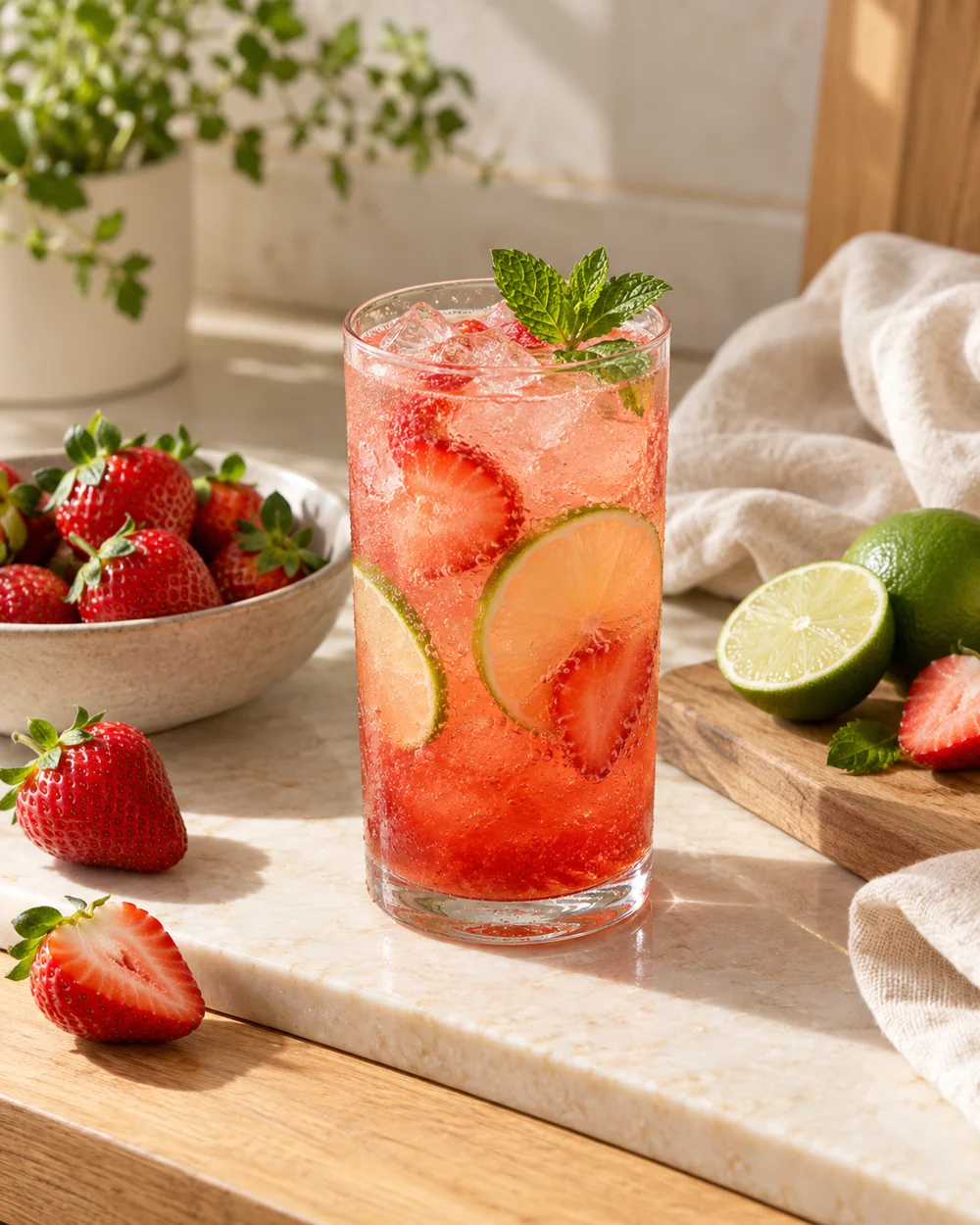
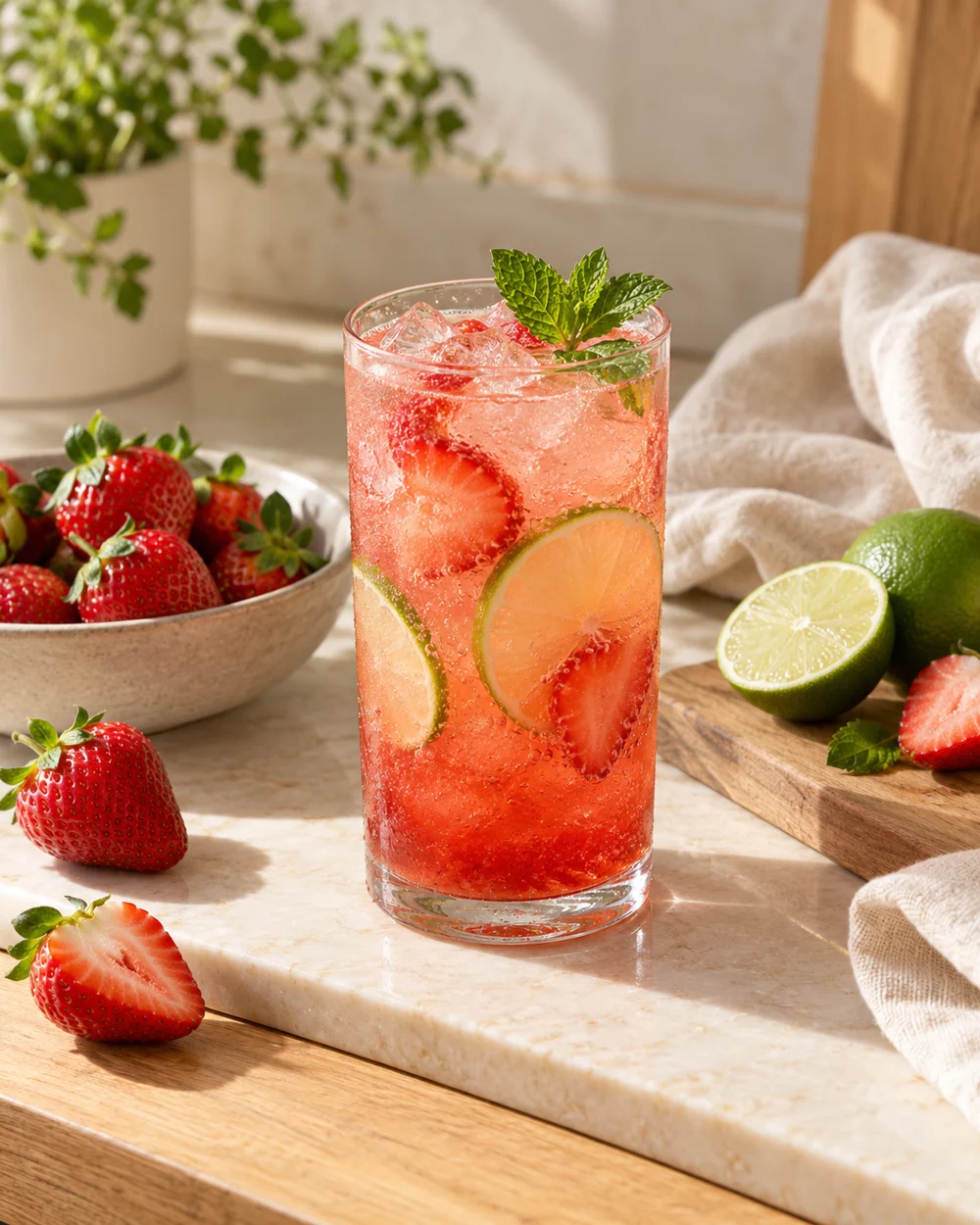
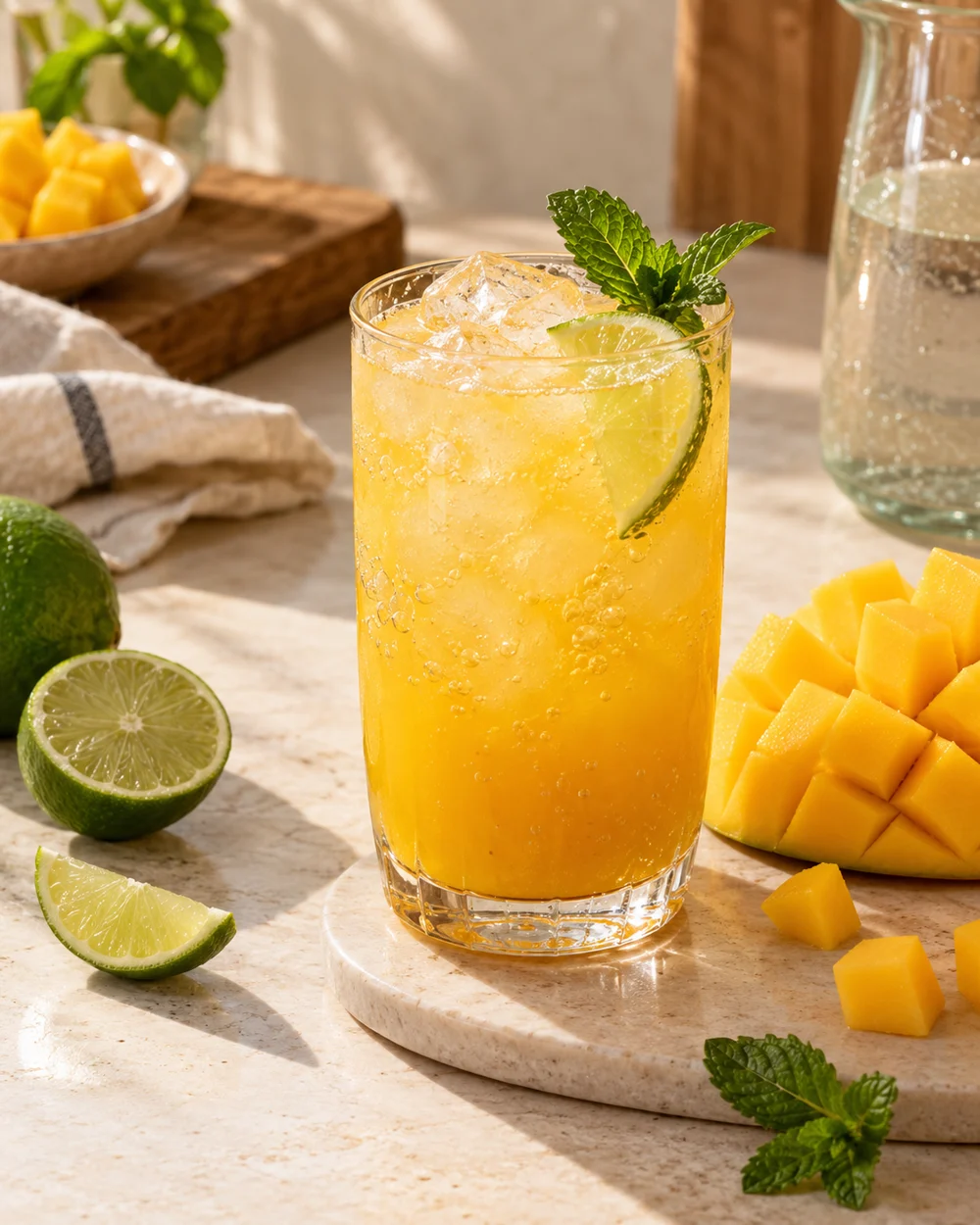
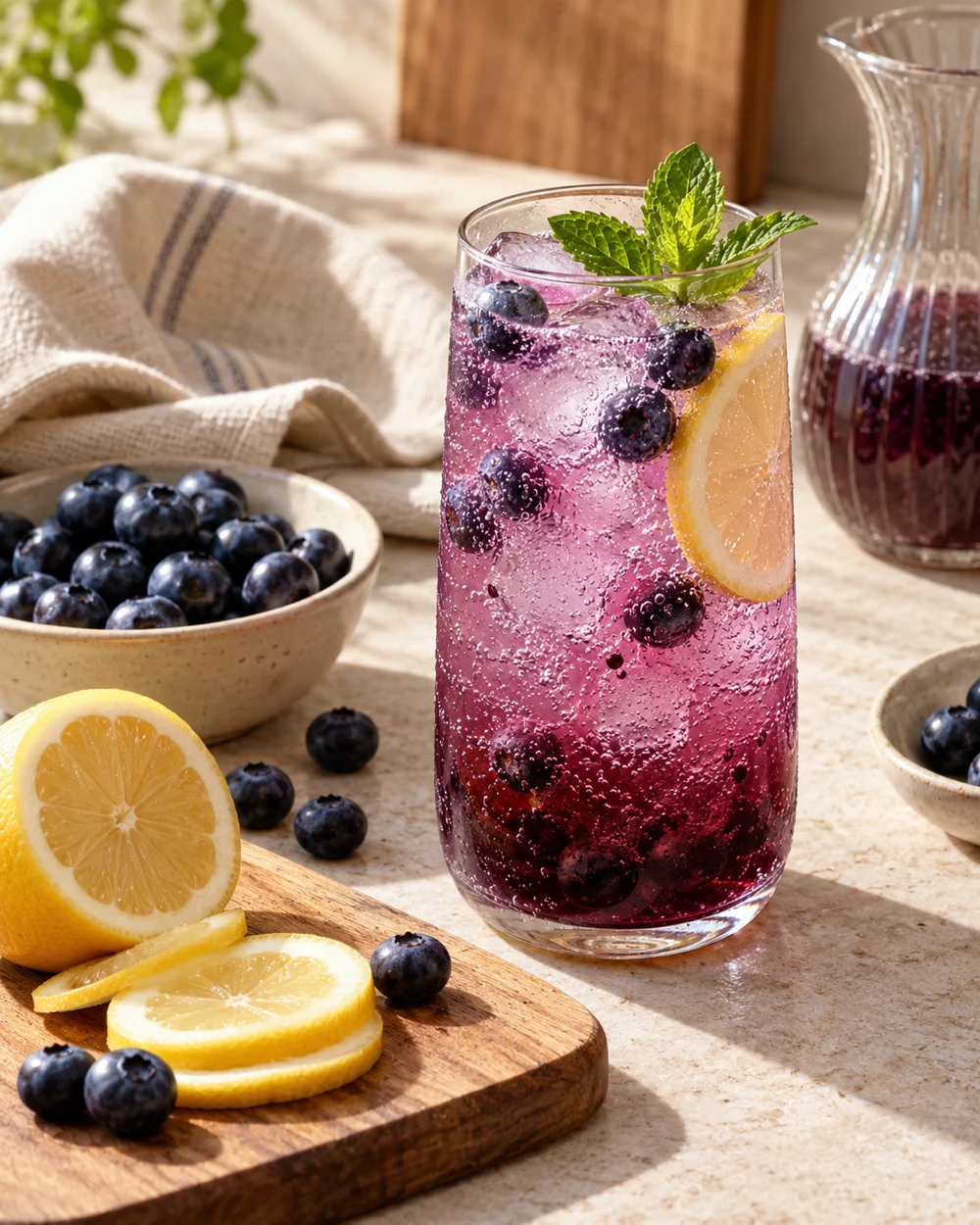
Representative category illustration reused from our editorial library; it does not depict this specific project or a tested result.
Why Dense Syrups Trigger Rapid Foaming
Fruit purees, concentrated syrups, and honey bases contain fine solids and high sugar levels that cause carbonated water to foam rapidly upon contact. When sparkling water drops straight into a thick base, the sudden disturbance releases dissolved carbon dioxide quickly, sending foam and splashes up toward the rim. Chilling the syrup base helps keep the mixture stable, but pouring gently is equally important to avoid aggressive bubbling and messy counter spills.
Temperature Management and Ice Placement
Warm liquids release dissolved carbonation much faster than cold ones, so ensure the sparkling water is thoroughly chilled in the refrigerator before opening. Place dense ice cubes into the glass after measuring the syrup base, rather than dropping them into poured seltzer later, which creates additional splash hazards. Adding ice beforehand anchors the base syrup and provides a stable foundation for pouring.
Working Angle and Glassware Position
Never drop sparkling liquid vertically into the center of a flat syrup surface. Hold the service glass at a forty-five-degree angle relative to your prep counter. Rest the pouring spout of the chilled water bottle or siphon directly against the inner rim. Allowing the fluid to run smoothly along the internal glass wall minimizes downward velocity. As the volume fills past the halfway mark, slowly rotate the glass back to a vertical position, ensuring the rising fluid level does not crest unevenly.
Executing the Bar Spoon Deflection
For very thick, seeded concentrates, rely on a long-handled stainless steel bar spoon. Invert the spoon so the convex back faces upward, resting the lower tip against the inner glass wall just above the syrup surface. Pour 120 milliliters of carbonated water slowly over the back of the spoon. The curvature distributes the narrow water jet into a wide, gentle film. This illustrative method significantly dampens surface impact, guiding the sparkling liquid smoothly over the base without disturbing particulate layers.
Final Integration Without Premature Flatness
Once the carbonated water rests atop the fruit concentrate, vigorous swirling will immediately expel the remaining carbonation. Insert the flat disk or paddle end of the bar spoon completely to the bottom of the vessel. Lift the heavy base upward using one or two slow, vertical strokes rather than circular agitation. This single lifting motion creates a homogenous blend throughout the glass while conserving the crisp tactile bite of the carbonated bubbles for consumption.
A little more
to know.
Can I pour carbonated water directly onto pure honey bases?
Raw honey is too dense for cold mixing and promotes uneven foaming. Thin the honey with an equal weight of warm water beforehand, chill the mixture to 4 degrees Celsius, and then assemble using the angled spoon technique.
Does coarse ice cause more foaming than smooth ice cubes?
Yes. Chipped or crushed ice presents thousands of rough micro-edges that trigger aggressive nucleation. Clear, solid, smooth-sided cubes provide minimal surface roughness, drastically reducing gas release when sparkling water is introduced to the glass.
Original editorial guidance and recipe formulations, not independently kitchen-tested. Times are estimates and depend on equipment and product directions. Cooked bases need additional cooling and refrigeration before cold serving. Images are AI-generated illustrations; appearance and yield may vary. Check actual ingredient labels, allergens, and any certification you require. We do not certify products. Read our approach.
Save to Pinterest ↗ANOTHER IDEA FOR THE COUNTER