Manage Ice-to-Liquid Proportions in Double-Walled Glasses
Double-walled borosilicate glasses present a distinct optical challenge because the inner wall tapers more sharply than the straight exterior silhouette. Estimating ice volume by eye frequently leads to underfilled drinks or accelerated dilution when hot espresso or room-temperature brew melts a modest ice mass. Because the insulating air pocket conceals the true internal boundary, relying on sight distorts the ratio of ice to liquid. Measuring both ice cubes and liquid by mass on a digital scale establishes balanced thermal proportions, helping iced coffee stay cool without unpredicted thinning of beverage texture.
Read the note ↓
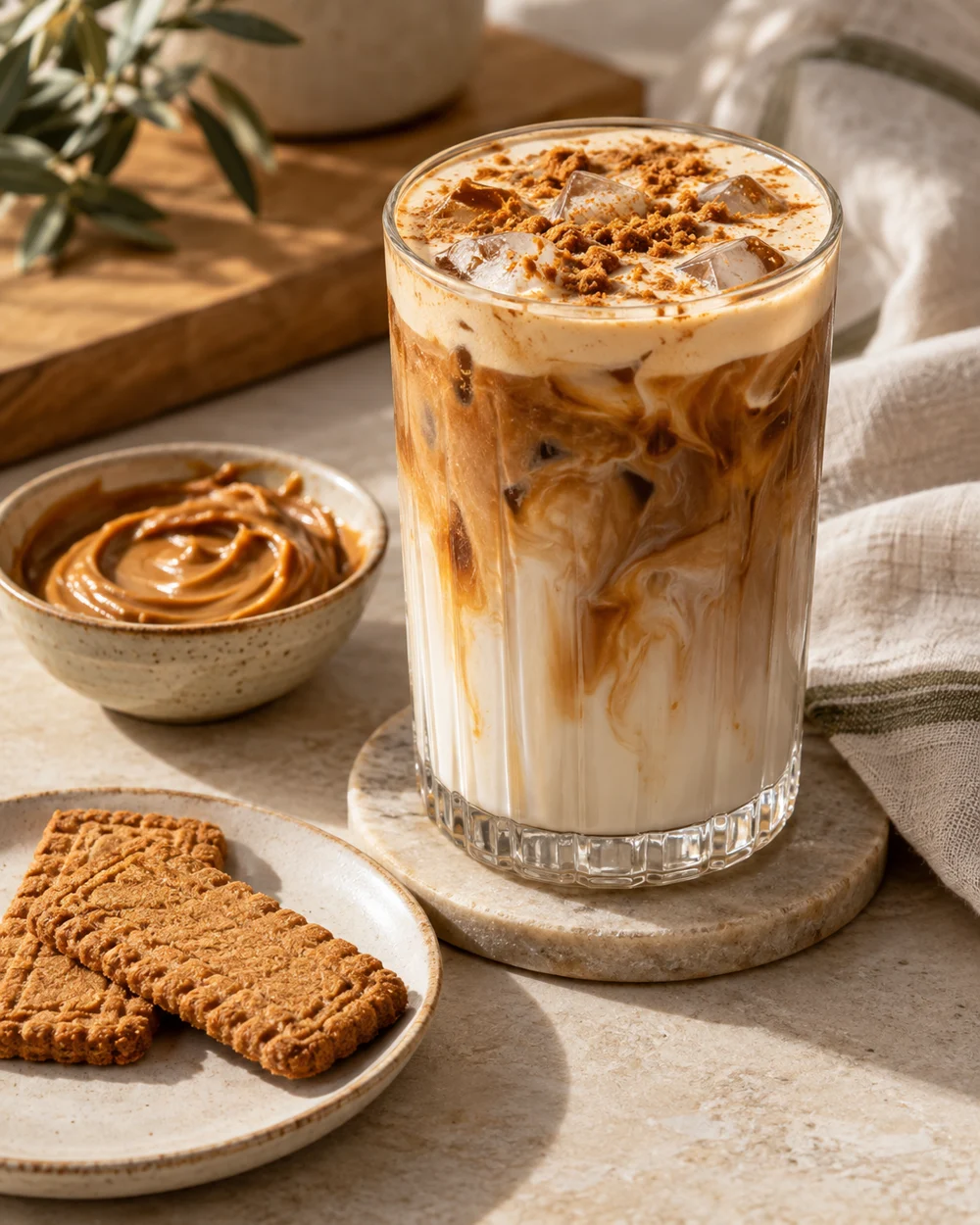
Representative category illustration reused from our editorial library; it does not depict this specific project or a tested result.
Identify the Tapered Inner Chamber
The outer wall of an insulated glass tumbler typically displays a uniform cylinder or gentle outward slope, whereas the internal chamber often curves tightly inward near the base. When filling ice to the visual midpoint of the exterior profile, the narrower lower pocket holds far less volume than the upper half. This optical distortion gives a false impression of ample space for cooling. Pouring water into the vessel while placed on a digital gram scale quickly reveals how small the lower volume actually is relative to the total height.
Establish Mass-Based Recipe Proportions
Rather than counting irregular ice cubes, tare the clean double-walled glass directly on a digital kitchen scale. For a glass with a manufacturer-rated total capacity of 350 milliliters, a dependable baseline proportion pairs 120 grams of solid ice cubes with 180 grams of coffee liquid. This combination occupies approximately 300 milliliters of space, leaving roughly 50 milliliters of vertical clearance for milk or gentle swirling. In this worked setup, the mass allocation delivers prompt temperature reduction while leaving predictable clearance beneath the rim.
Add Liquid First or Slide Ice Gently
Borosilicate glassware manufacturers consistently warn against dropping hard, heavy ice cubes into an empty, dry double-walled glass. Impact against the thin interior base can crack or shatter the internal wall. To protect the glassware, pour the room-temperature coffee or chilled brew liquid into the glass first, and then slide ice cubes into the liquid. Alternatively, if adding ice first, tilt the dry glass at a shallow angle and slide each cube gently down the sidewall rather than letting it fall freely against the base.
Calibrate for Ice Morphology and Surface Area
Hollow bullet ice produced by compact countertop makers melts faster than dense, solid freezer cubes because of its greater surface-area-to-mass ratio. When utilizing hollow bullet ice, reduce the initial liquid portion by roughly 15 to 20 grams, or plan for faster consumption to prevent excess dilution. Dense, solid ice blocks or large square cubes melt slowly, allowing the beverage to sustain its concentration over fifteen to twenty minutes of sipping at normal room temperatures.
Reserve Headspace for Buoyancy and Perishables
Because ice floats, adding ice cubes or pouring liquid causes upward displacement that raises the surface level higher than the liquid volume alone suggests. Maintain at least 15 to 20 millimeters of vertical clearance beneath the rim to avoid overflows when moving the glass. If incorporating pasteurized milk or dairy alternatives, retrieve them directly from cold storage kept at or below 4 degrees Celsius, pour promptly, and return the milk container to refrigeration immediately to comply with basic food safety standards.
A little more
to know.
Why do glassware makers advise against dropping ice cubes into empty double-walled tumblers?
The inner borosilicate wall is blown thin to reduce overall vessel weight, making it susceptible to mechanical fracture from point impacts. Dropping a solid ice cube directly onto the dry base can crack the inner chamber. Adding liquid first cushions the drop, or tilting the glass lets ice slide down smoothly.
Can freshly brewed hot espresso be extracted directly into a double-walled glass?
Yes, high-grade borosilicate glass handles thermal shock from boiling liquid. However, tilt the vessel to slide ice cubes in gently before extraction, or pull the espresso shot into the glass first and gently slide ice cubes into the warm liquid to protect the base.
Original editorial guidance and recipe formulations, not independently kitchen-tested. Times are estimates and depend on equipment and product directions. Cooked bases need additional cooling and refrigeration before cold serving. Images are AI-generated illustrations; appearance and yield may vary. Check actual ingredient labels, allergens, and any certification you require. We do not certify products. Read our approach.
Save to Pinterest ↗ANOTHER IDEA FOR THE COUNTER