Loosen Solid Coconut Milk for Uniform Drink Blending
Canned coconut milk naturally separates into a thick layer of white cream above a watery base when kept in cool storage or moderate room temperatures. Scooping directly from an unmixed can introduces uneven amounts of fat into cold beverages, leading to lumpy smoothies or inconsistent texture. Shaking an unopened cold can rarely blends the solidified layer effectively. Restoring a uniform, pourable liquid requires gentle warming followed by thorough whisking, producing an even base that measures easily into cold drink recipes.
Read the note ↓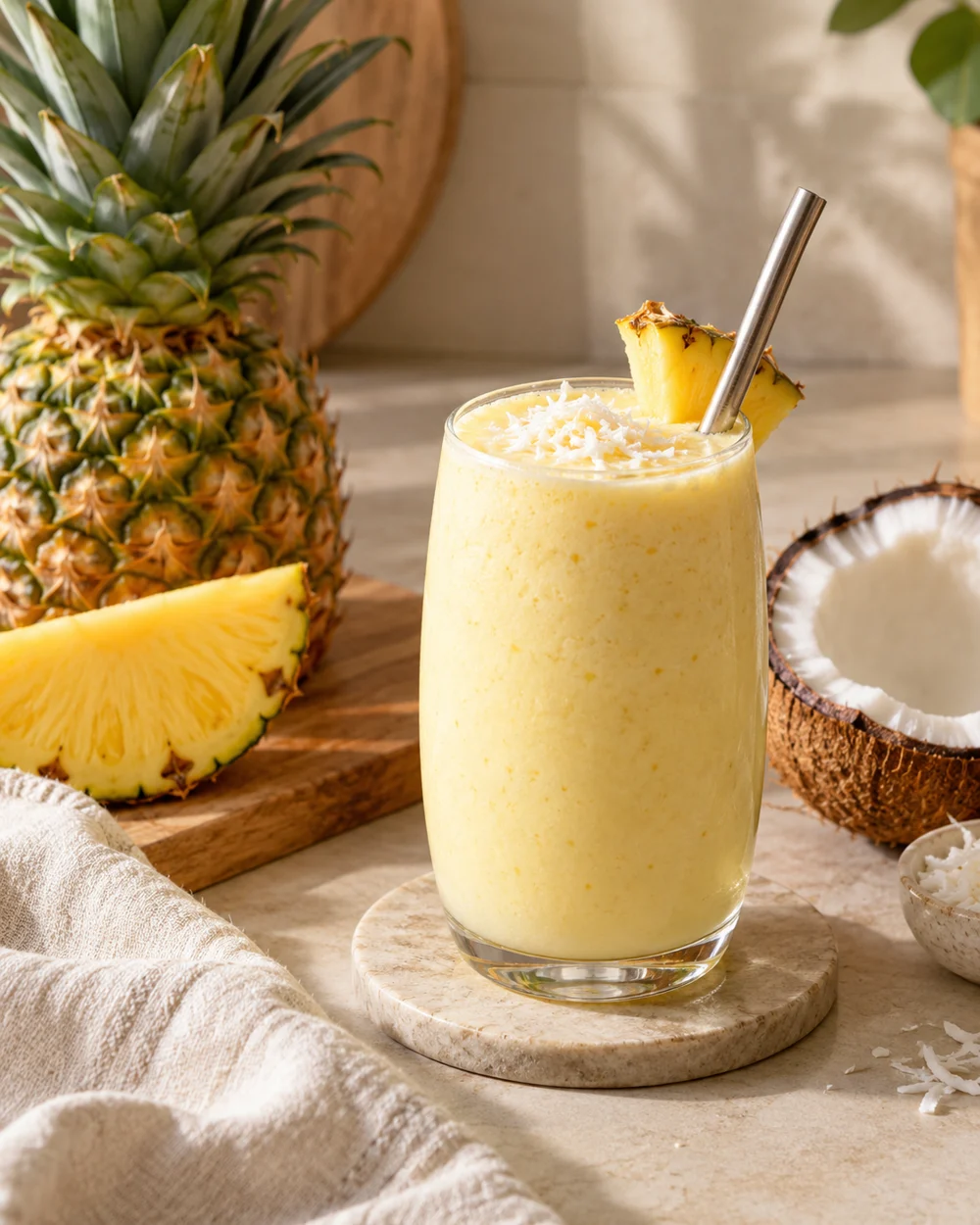
Representative category illustration reused from our editorial library; it does not depict this specific project or a tested result.
Understanding Separation in Canned Coconut Milk
Coconut milk naturally separates in the can into a thick, solid layer of coconut cream at the top and a thinner liquid underneath when kept in cool conditions. If scooped directly from an unmixed can into an iced blender, solid chunks of coconut cream do not blend smoothly and can stick to container walls as small clumps. Re-mixing the entire contents of the can before measuring ensures each drink portion receives an even balance of liquid and coconut fat.
Controlled Water Bath Warming
Avoid exposing coconut milk to direct stovetop heat, which can scorch the milk and alter its flavor. Instead, prepare a gentle warm-water bath by heating a shallow pot of water until warm to the touch (around 50 to 60 degrees Celsius as a practical benchmark) and removing it from the heat source. Rest the can in the warm water for 8 to 10 minutes so the solid cream softens. Alternatively, if the can is already open, transfer the contents into a heat-safe bowl set over warm water to soften the solids.
Whisking to Restore a Smooth Texture
Once the cream layer softens, open the can completely and pour both the cream and the thinner liquid into a clean pitcher or mixing bowl. Use a wire whisk or manual frothing whip to beat the mixture thoroughly for about 45 to 60 seconds. Whisk until the liquid is smooth, uniform, and completely blended without any lingering lumps or floating oil droplets.
Measuring for Cold Beverage Builds
As an illustrative planning example, measure 60 milliliters of the smooth, blended coconut milk for a 350-milliliter smoothie build alongside fruit purees and ice. Pouring warm coconut milk directly over bare ice cubes can cause the fat to firm up quickly into small flecks. To prevent this, stir the measured coconut milk into your liquid base or fruit purees first before adding ice. Blending the liquids together first keeps the mixture smooth and evenly distributed throughout the drink.
Safe Handling and Storage Rules
Once opened and warmed, coconut milk supports bacterial growth if left at ambient temperatures. Transfer unused portions immediately into an airtight glass jar, labeling it with date and time. Move the container into refrigeration at 4 degrees Celsius or colder within 2 hours, or within 1 hour if room temperatures exceed 32 degrees Celsius. Stored properly, use the batch within three days, gently re-whisking if minor separation recurs.
A little more
to know.
Can coconut milk be re-emulsified by shaking the unopened can?
Shaking works only if the coconut cream is already soft or liquid. If the can has been stored in a cool room or refrigerator, the solidified cream sticks to the top of the can, preventing the contents from mixing no matter how hard it is shaken.
What causes small white flakes in an iced coconut drink?
White flakes appear when liquid coconut fat comes into immediate contact with ice or very cold ingredients before it has been thoroughly mixed into the drink. Stirring the coconut milk into liquid ingredients or fruit puree first helps keep the mixture smooth before ice is added.
Original editorial guidance and recipe formulations, not independently kitchen-tested. Times are estimates and depend on equipment and product directions. Cooked bases need additional cooling and refrigeration before cold serving. Images are AI-generated illustrations; appearance and yield may vary. Check actual ingredient labels, allergens, and any certification you require. We do not certify products. Read our approach.
Save to Pinterest ↗ANOTHER IDEA FOR THE COUNTER