Control Carbonation Release When Adding Ice to Sparkling Drinks
Pouring sparkling water over ice often produces an immediate rush of white foam, leaving the finished drink lifeless and under-carbonated. Carbon dioxide dissolved under pressure requires an energetic disturbance or physical surface imperfection, called a nucleation site, to escape from solution into gas bubbles. Rough, frosty freezer ice provides millions of these microscopic sites. Understanding how ice texture and pouring geometry affect gas retention ensures your sparkling fruit coolers stay crisp, lively, and effervescent throughout consumption.
Read the note ↓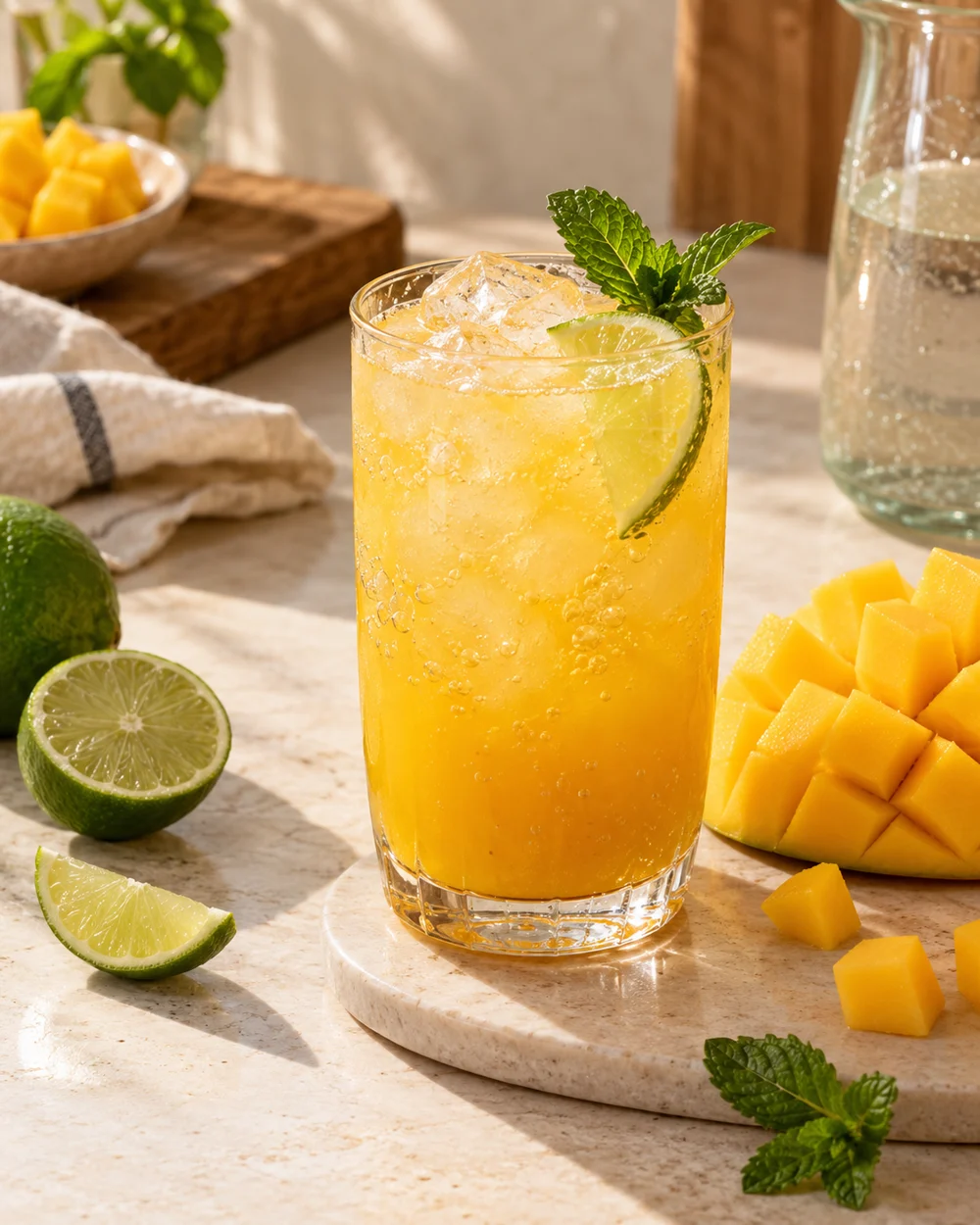
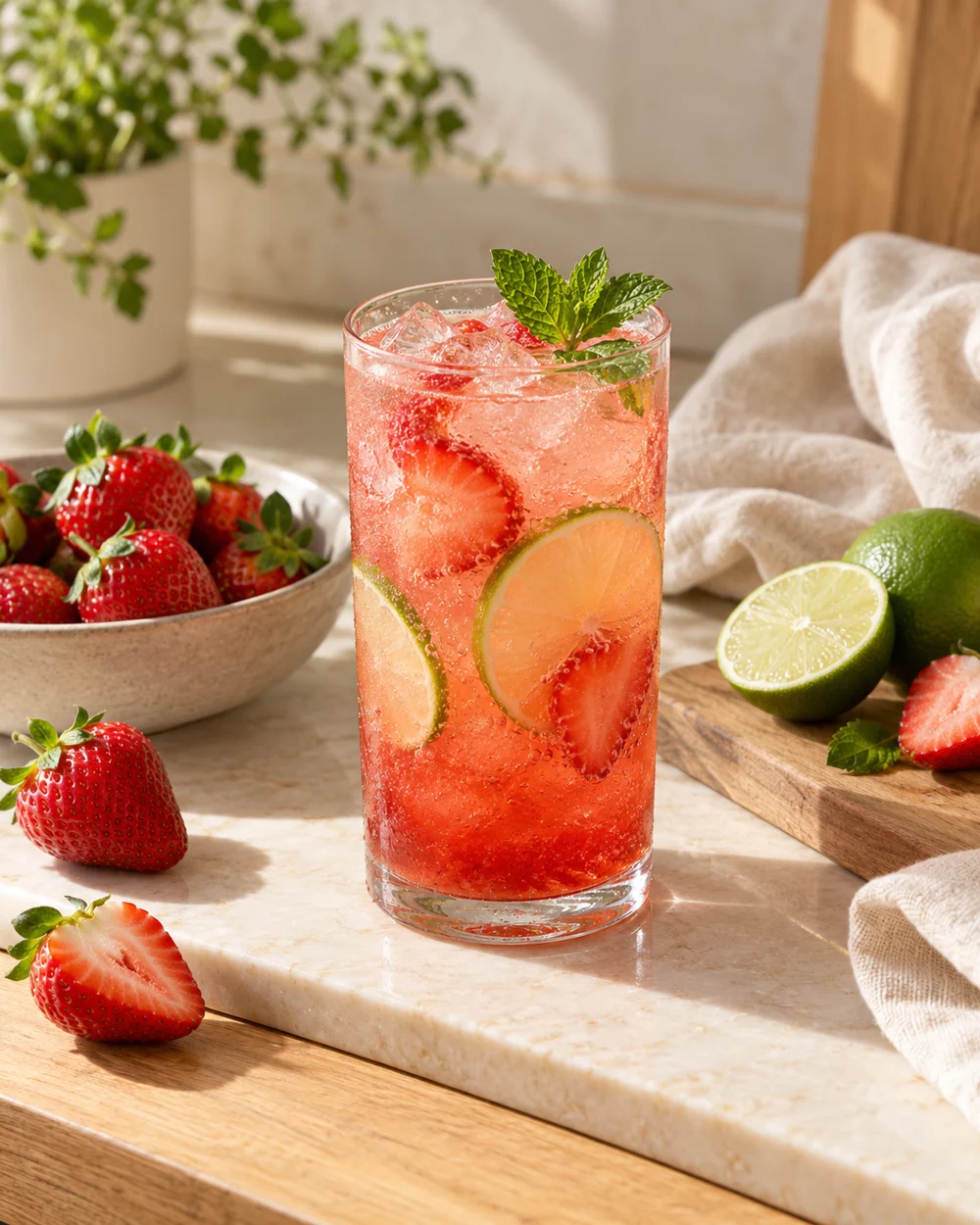
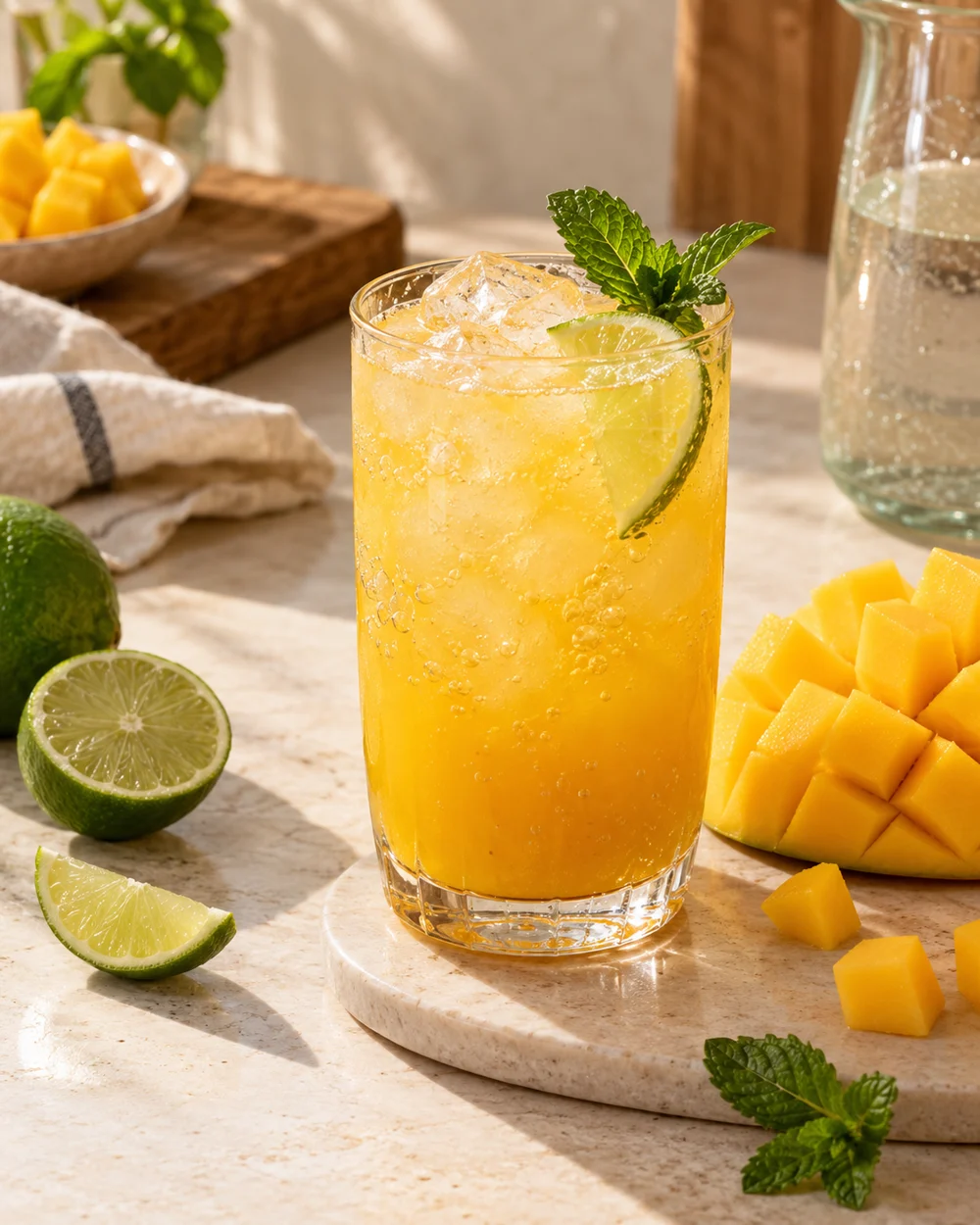
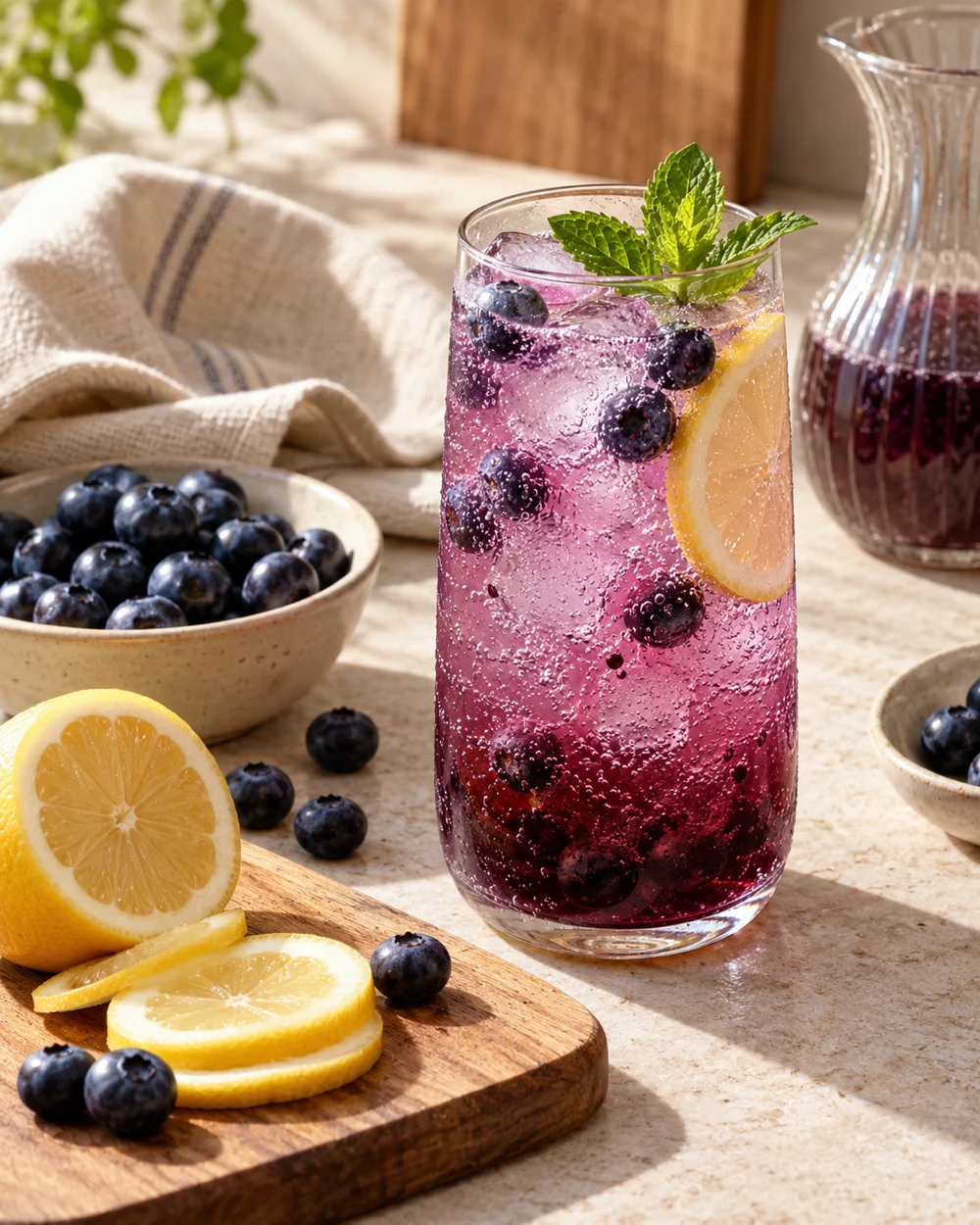
Representative category illustration reused from our editorial library; it does not depict this specific project or a tested result.
The Physics of Nucleation Sites
Dissolved carbon dioxide remains in solution until it encounters microscopic surface roughness that acts as a nucleation point. Ice straight from an open freezer tray is often covered in micro-fissures and frost crystals. When carbonated liquid contacts these jagged surfaces, carbon dioxide comes out of solution rapidly, forming large bubbles that detach and escape. A single rough cube can strip a significant portion of carbonation in mere seconds.
The Ice Conditioning Rinse
To eliminate surface frost and sharp edges, condition your ice cubes before building the drink. Place two or three solid ice cubes in a glass and pour roughly 50 milliliters of cold tap water over them for three seconds, then drain the water away completely. This brief rinse melts the exterior frost and smooths the ice surface, offering far fewer active nucleation sites to agitate carbonated beverages.
Glassware Angle and Fluid Flow
Dropping ice into sparkling liquid causes severe splashing that drives out gas. Always place conditioned ice into an empty glass first. When pouring the chilled sparkling water, tilt the glass to a 45-degree angle and pour slowly down the interior wall. Pouring gently along the glass wall minimizes turbulence and agitation, helping preserve the dissolved carbon dioxide in the beverage.
Pre-Chilling Liquid Components
Gas solubility depends heavily on temperature: carbon dioxide dissolves more stably in colder water. Warm glassware or room-temperature fruit purees force carbonation out of solution regardless of ice smoothness. Ensure your fruit syrups, citrus juices, and carbonated waters are chilled to 4C or below before building the drink. Combining cold ingredients with conditioned ice minimizes thermal shock, ensuring quiet effervescence instead of violent foaming.
Stirring Etiquette for Carbonated Coolers
Aggressive circular stirring rapidly knocks dissolved gas out of the drink. When combining fruit syrups with sparkling water and ice, use a single, deliberate vertical motion with a bar spoon. Insert the spoon along the glass wall to the bottom, lift upward once, and remove it. This single movement draws denser syrups upward to blend the drink without needlessly agitating the carbonation.
A little more
to know.
Does large format ice preserve carbonation better than small cubes?
Yes. A single large, conditioned ice cube possesses far less total surface area than multiple small cubes of equal weight. Less surface area equates to fewer potential nucleation points, keeping carbon dioxide dissolved in the cooler for longer periods.
Why does adding fresh citrus juice cause instant carbonation eruption?
Unstrained citrus juice contains suspended pulp particles. Each microscopic pulp fiber provides a nucleation surface that triggers rapid bubble formation. Straining citrus juice through a fine mesh prior to mixing significantly reduces sudden carbonation release.
Original editorial guidance and recipe formulations, not independently kitchen-tested. Times are estimates and depend on equipment and product directions. Cooked bases need additional cooling and refrigeration before cold serving. Images are AI-generated illustrations; appearance and yield may vary. Check actual ingredient labels, allergens, and any certification you require. We do not certify products. Read our approach.
Save to Pinterest ↗ANOTHER IDEA FOR THE COUNTER