Whisk Matcha in Narrow Tumblers Without Wall Splashes
Preparing iced matcha directly inside tall, narrow drinking tumblers routinely spatters concentrated green tea paste up the interior glass walls. Bamboo whisks require broad, lateral oscillating strokes that a tight tumbler diameter physically constrains, resulting in unwhisked powder clumps at the base and dried green streaks near the rim. Separating the preparation vessel from the serving vessel solves this mess entirely. Frothing a concentrated suspension inside a wide, shallow ceramic cup produces uniform suspension before a clean final transfer.
Read the note ↓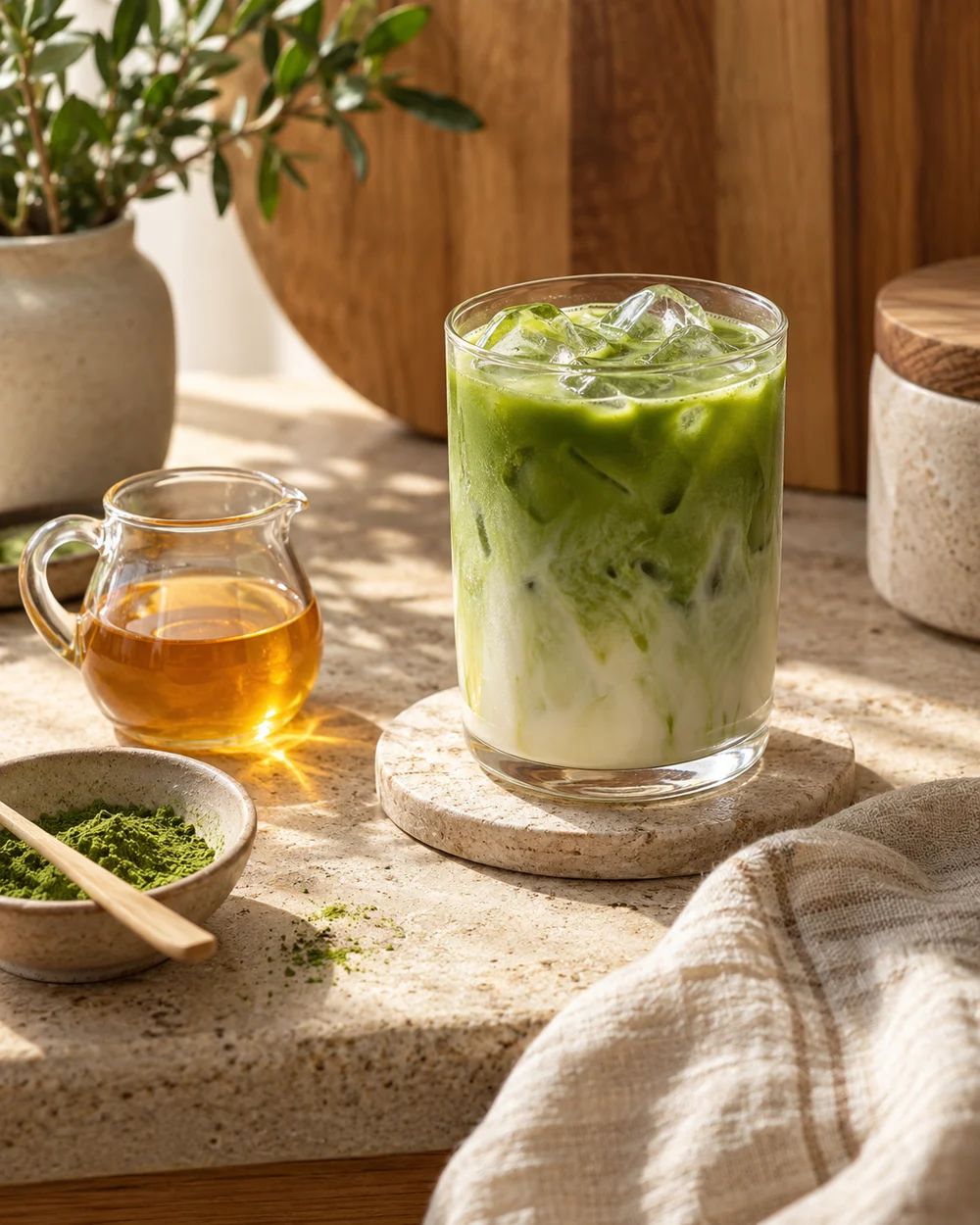
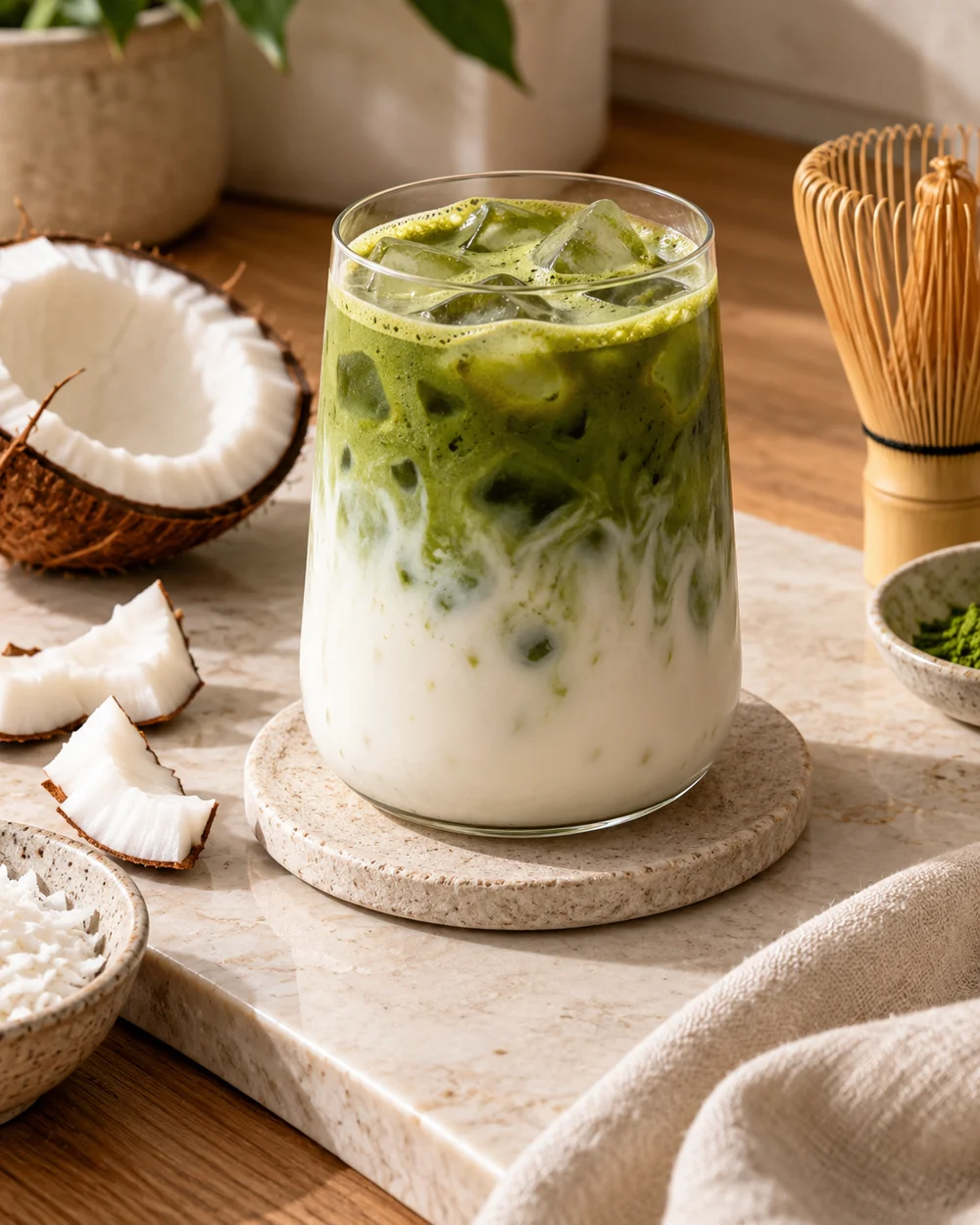
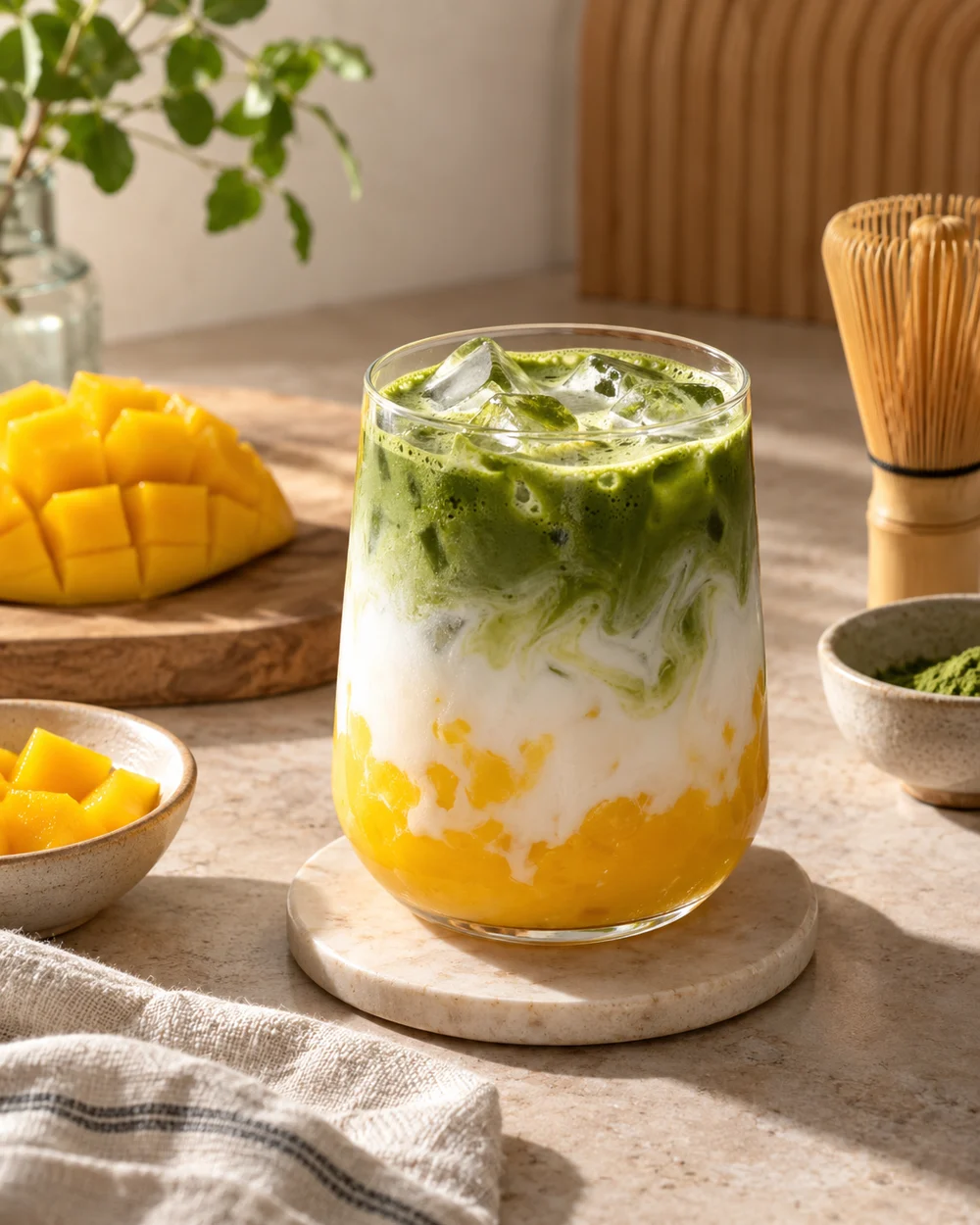
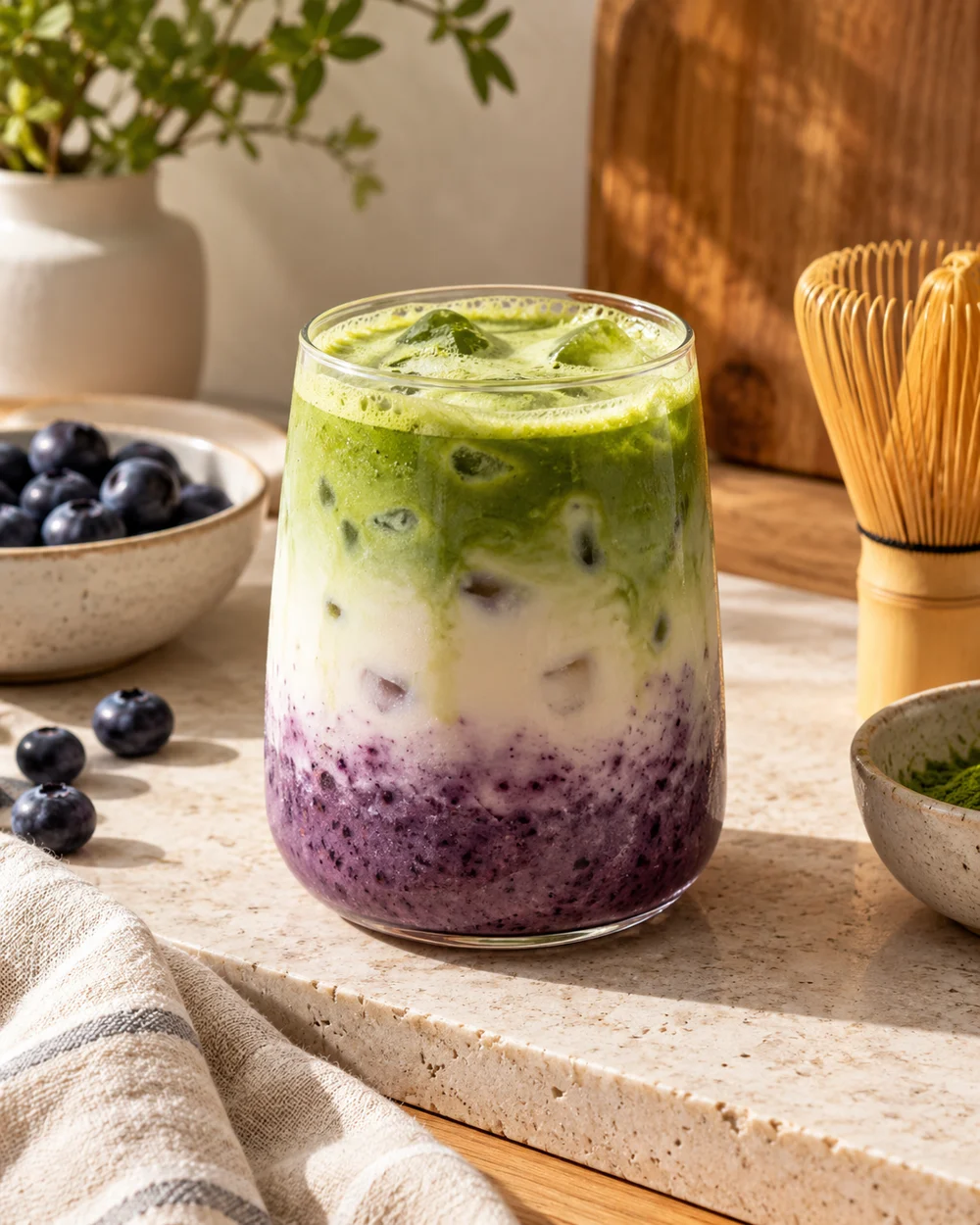
Representative category illustration reused from our editorial library; it does not depict this specific project or a tested result.
The Mechanical Limit of Narrow Vessels
Traditional multi-tine bamboo whisks rely on rapid back-and-forth linear motions to shear green tea powder into suspension without trapping excessive air. When restricted by narrow tumbler walls, the outer tines scrape against the glass, limiting wrist travel and generating vertical splatter. Powder granules cling to wet walls above the liquid line, drying quickly into stubborn spots that resist mixing. Preparing the tea in an open vessel avoids mechanical restriction and ensures the whisk tines travel freely through the entire liquid column.
Preparing the Concentrate in a Wide Cup
Use a small, shallow ceramic bowl or broad teacup holding around 150 to 200 milliliters of volume for the initial mix. Sift two grams of matcha powder through a fine stainless mesh into the dry bowl to break up storage clusters. Add 50 to 60 milliliters of hot water heated to roughly 80 degrees Celsius. The broad surface lets you flick your wrist in brisk strokes, shearing the powder into a uniform, vibrant suspension without striking the vessel walls.
Building the Cold Base in the Tumbler
While the concentrated base rests briefly, prepare the final serving glass. Fill the tall tumbler with solid ice cubes and pour in 150 milliliters of cold pasteurized milk or chilled water, leaving roughly four centimeters of headspace. Setting up the cold liquid first establishes a dense foundation that buffers the incoming warm concentrate. Because the tumbler contains only plain dairy or water at this stage, the glass walls remain pristine and free of early green discoloration.
Decanting Along the Ice Matrix
Pour the frothed green tea suspension from the ceramic bowl into the tumbler using a steady, controlled stream. Direct the pour against a prominent ice cube resting near the top rather than dropping it straight into the milk. The frozen cube disperses the liquid force outwards, cascading the green tea across the surface without wall splatter. This technique creates a distinct visual layer while ensuring the tea distributes evenly once stirred with a reusable straw.
Rinsing and Equipment Maintenance
Rinse the ceramic preparation bowl and bamboo whisk immediately under warm running tap water without detergent. Allowing green tea concentrate to dry on fine bamboo tines weakens the wood over time and encourages staining. Invert the clean whisk onto a ceramic shaper so its curved tines retain an open, flared profile for future sessions. Wiping down the small preparation bowl immediately takes seconds and keeps your beverage station tidy without scrubbing tall glasses.
A little more
to know.
Can I use an electric handheld frother inside the tall tumbler instead?
Motorized frothers generate intense vortex currents in narrow glasses that pull liquid up the walls rapidly. If used, submerge the coil completely near the bottom before switching it on, using short, intermittent pulses to maintain control.
Why does my decanted matcha sink immediately to the bottom?
Matcha suspended in plain warm water is denser than warm water but lighter than chilled, sugar-dense milk. If pouring over cold dairy, decanting gently across an ice cube prevents premature sinking and retains a clean layered boundary.
Original editorial guidance and recipe formulations, not independently kitchen-tested. Times are estimates and depend on equipment and product directions. Cooked bases need additional cooling and refrigeration before cold serving. Images are AI-generated illustrations; appearance and yield may vary. Check actual ingredient labels, allergens, and any certification you require. We do not certify products. Read our approach.
Save to Pinterest ↗ANOTHER IDEA FOR THE COUNTER