Store Ground Warming Spices to Retain Volatile Aromatics
Finely milled warming spices like cinnamon, cardamom, and clove lose their complex fragrance quickly when exposed to beverage station conditions. Grinder motors, espresso boiler jackets, and frequent steam wand venting create microclimates of warm air that drive off delicate volatile essential oils. When powders sit in clear decorative shakers near heat, their top notes dull into flat woody tones within weeks. Proper storage requires protecting these vulnerable powders from ambient warmth, light degradation, and air exchange so each dusting provides sharp, defined aromatic structure across daily beverage builds.
Read the note ↓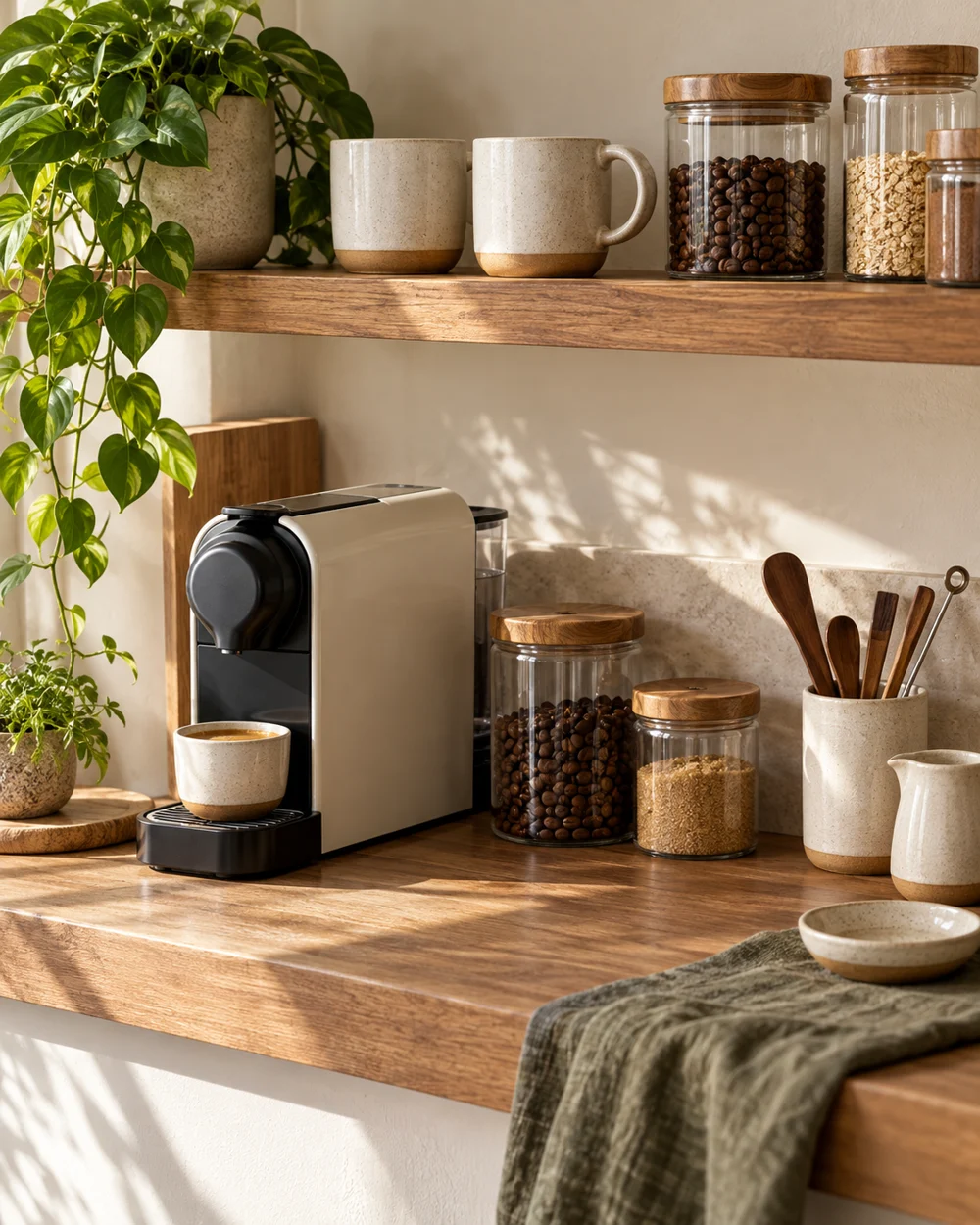
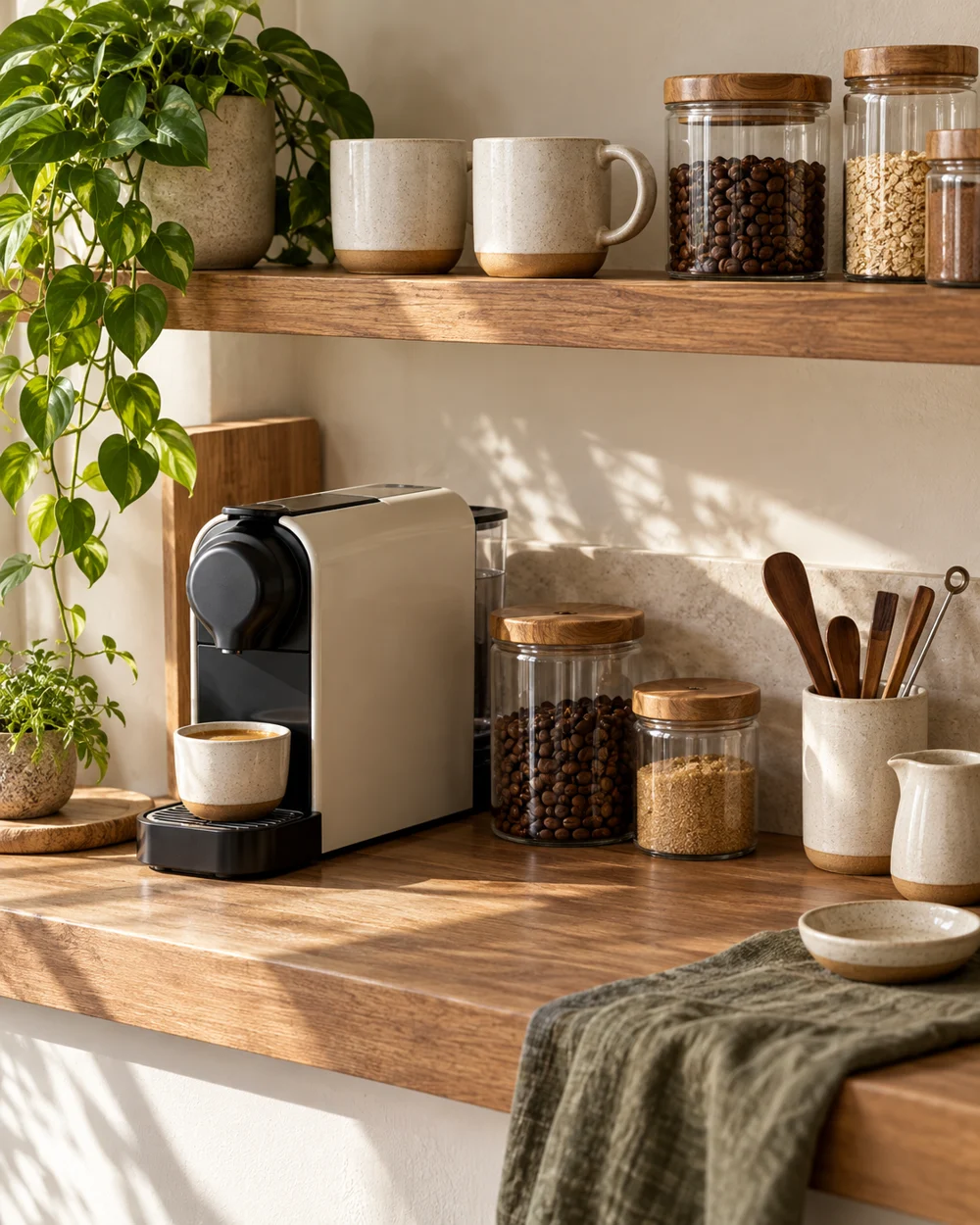
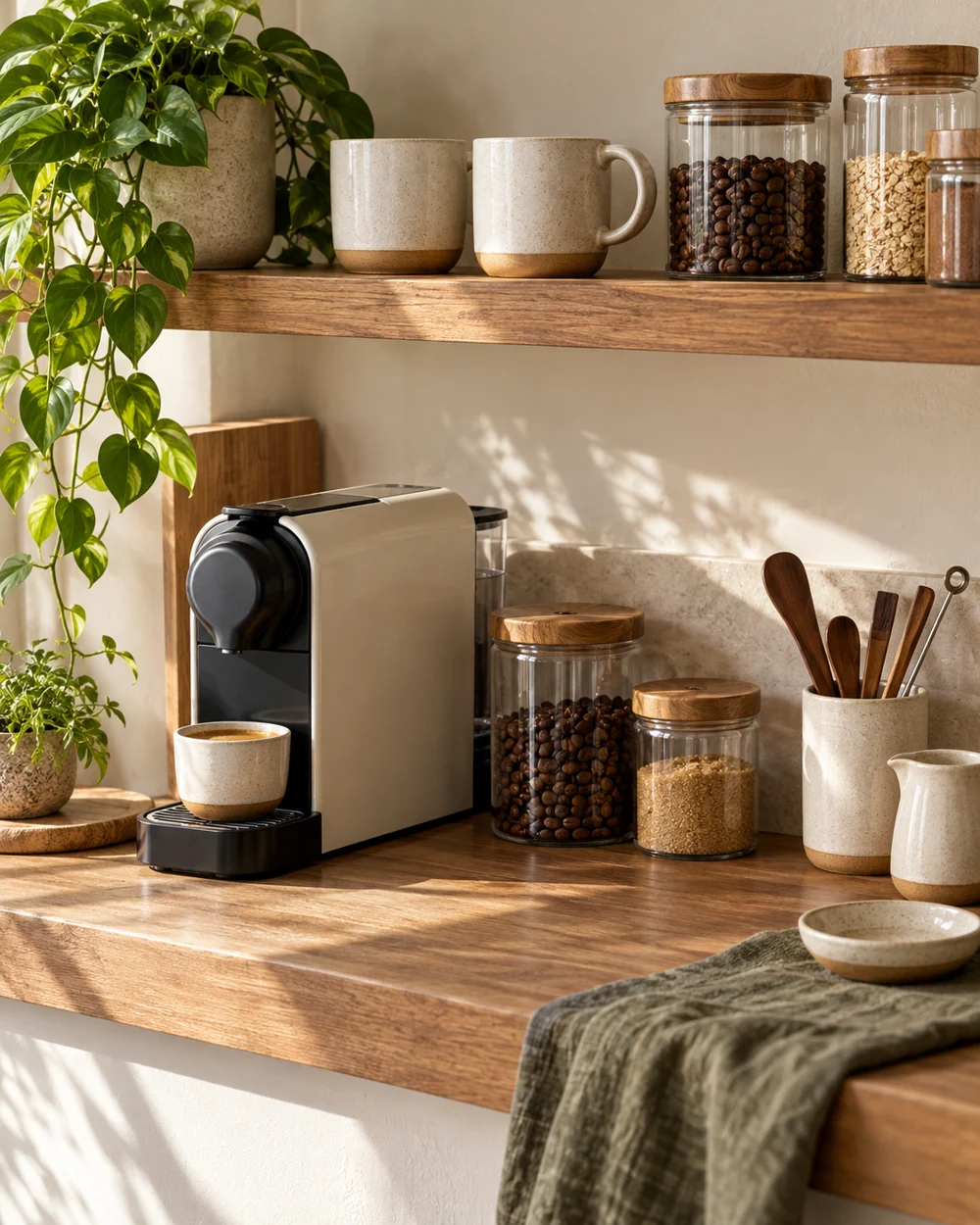
Representative category illustration reused from our editorial library; it does not depict this specific project or a tested result.
Identify Countertop Thermal Zones
Electric burr grinders and espresso machines radiate steady heat through their housings during daily service. Placing spice shakers directly beside a grinder motor or machine boiler exposes delicate ground cardamom, cinnamon, and clove to elevated temperatures, speeding up flavor loss and dulling their aroma. Review your beverage counter to locate cooler zones away from equipment heat. Position spice storage well clear of warm grinder bases, hot water spouts, and espresso steam vents. Storing working containers in a dedicated counter drawer or on a shaded, unheated prep shelf helps keep the spices fresh much longer.
Select Airtight Amber Glass Containers
Clear glass jars and porous wooden shakers expose ground spices to ambient light and counter humidity. Choose small amber or dark-tinted glass jars fitted with tight-sealing gasket lids or secure screw tops. Tinted glass shields fragile ground spices from direct light exposure that fades color and weakens aroma over time. Glass is non-reactive and non-porous, keeping external humidity out so fine powders do not clump or cake together. Avoid keeping spices in clear display shakers on the counter unless they are stored inside closed cabinets between beverage builds.
Manage Headspace with Smaller Batches
Every time a spice container opens, fresh air enters the jar and accelerates aromatic staling. Storing a small portion of ground spice inside a large container leaves excessive empty air space above the powder. Instead, select compact jars sized to match your immediate working volume so the spice fills most of the container capacity. As an illustrative planning example, placing approximately 12 to 14 grams of ground cinnamon into a 30-milliliter jar fills roughly four-fifths of the interior, leaving only a minor pocket of air compared to an oversized jar.
Implement Two-Tier Working Jars
Establish a two-tier inventory workflow to prevent repeated air exchange over bulk reserves. Keep a master jar sealed in a dark, cool pantry cupboard and transfer only 10 to 15 grams into a small service jar for daily beverage dusting. The master reserve remains undisturbed in steady conditions, preserving volatile aromatics over several months. The small working jar empties and rotates every two to three weeks, ensuring the spice applied to drinks never experiences prolonged environmental decay or stale oxidation.
Dosing Without Steam Contact
Holding an open shaker directly over steaming pitchers introduces hot moisture vapor into the spice container aperture. This trapped steam dampens the remaining powder, causing localized mold risks and rapid aromatic loss. To avoid steam contamination, dose spices over dry bench space onto a small ceramic spoon or flat wooden paddle before dusting over milk foam. Alternatively, move the finished cup away from active steam wands to an unheated preparation board before applying the final aromatic spice garnish.
A little more
to know.
Can ground spices be stored safely in the freezer for daily counter use?
Freezer storage causes condensation to form on cold spice powder each time the container opens in room air. Keep daily working portions in a cool room cupboard instead, utilizing the freezer solely for long-term sealed bulk storage.
How can you tell if ground cardamom has lost its volatile aromatics?
Pinch a small amount of powder between clean fingers. Fresh cardamom yields an immediate sharp, fragrant aroma, whereas degraded powder feels dusty and releases only faint, flat scents without vibrancy.
Original editorial guidance and recipe formulations, not independently kitchen-tested. Times are estimates and depend on equipment and product directions. Cooked bases need additional cooling and refrigeration before cold serving. Images are AI-generated illustrations; appearance and yield may vary. Check actual ingredient labels, allergens, and any certification you require. We do not certify products. Read our approach.
Save to Pinterest ↗ANOTHER IDEA FOR THE COUNTER