Choose Suitable Vessels for Hot and Cold Coffee
Choose a serving vessel supported for the intended hot/cold preparation. A cold-liquid layer, an ice cube or a short swirl in metal does not establish safe temperature conditions for unidentified glass. Follow the actual vessel's heat and temperature-change limits.
Read the note ↓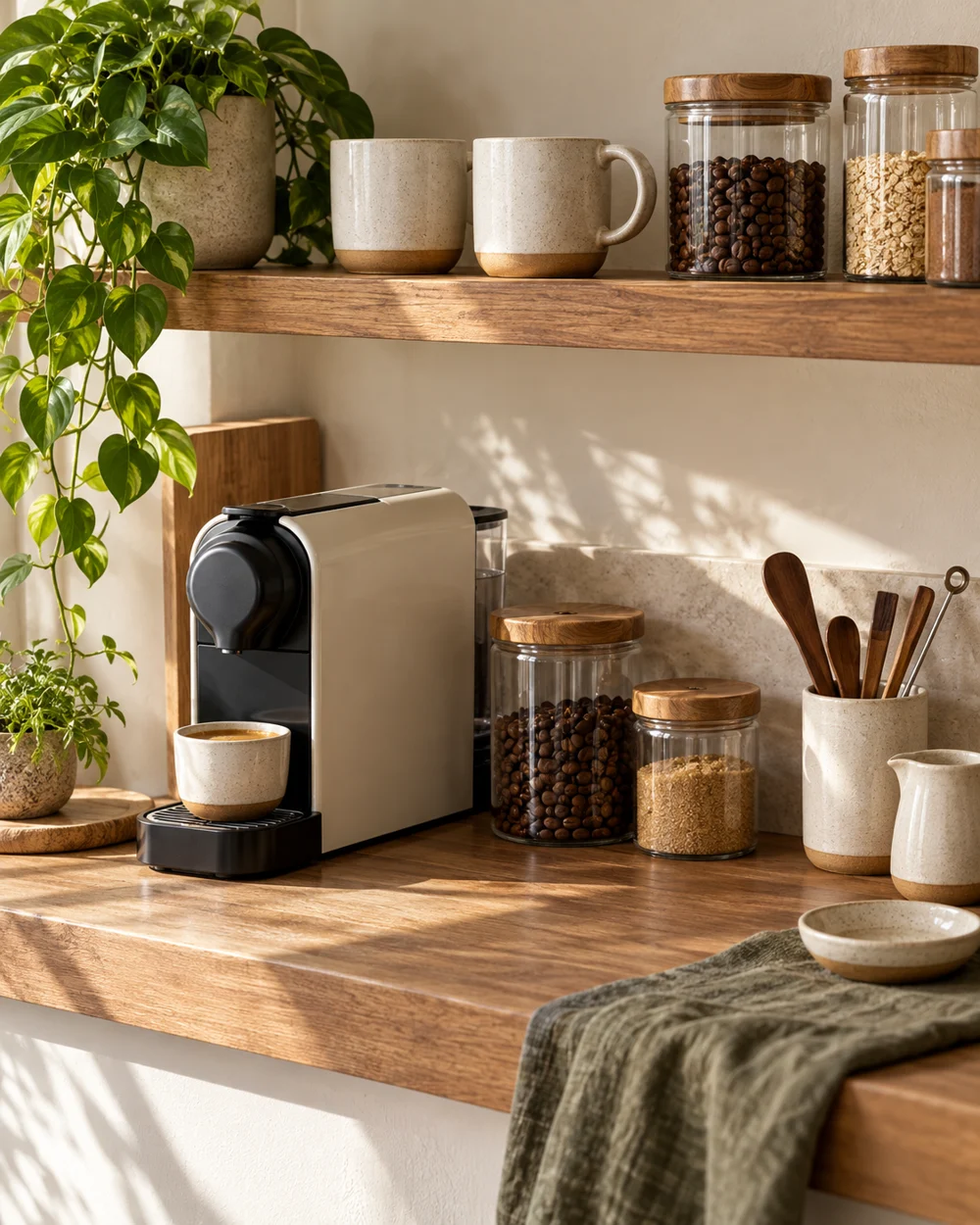
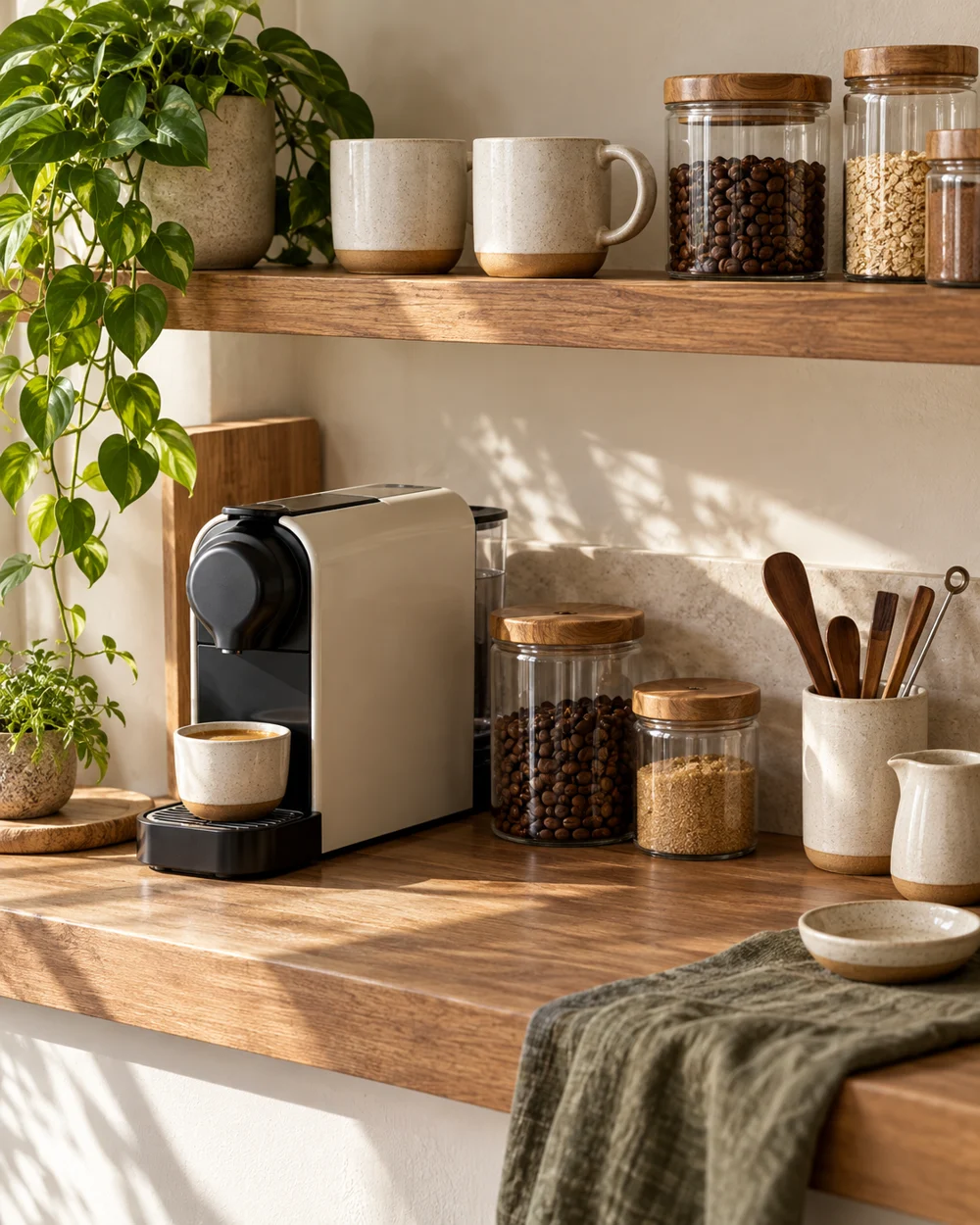
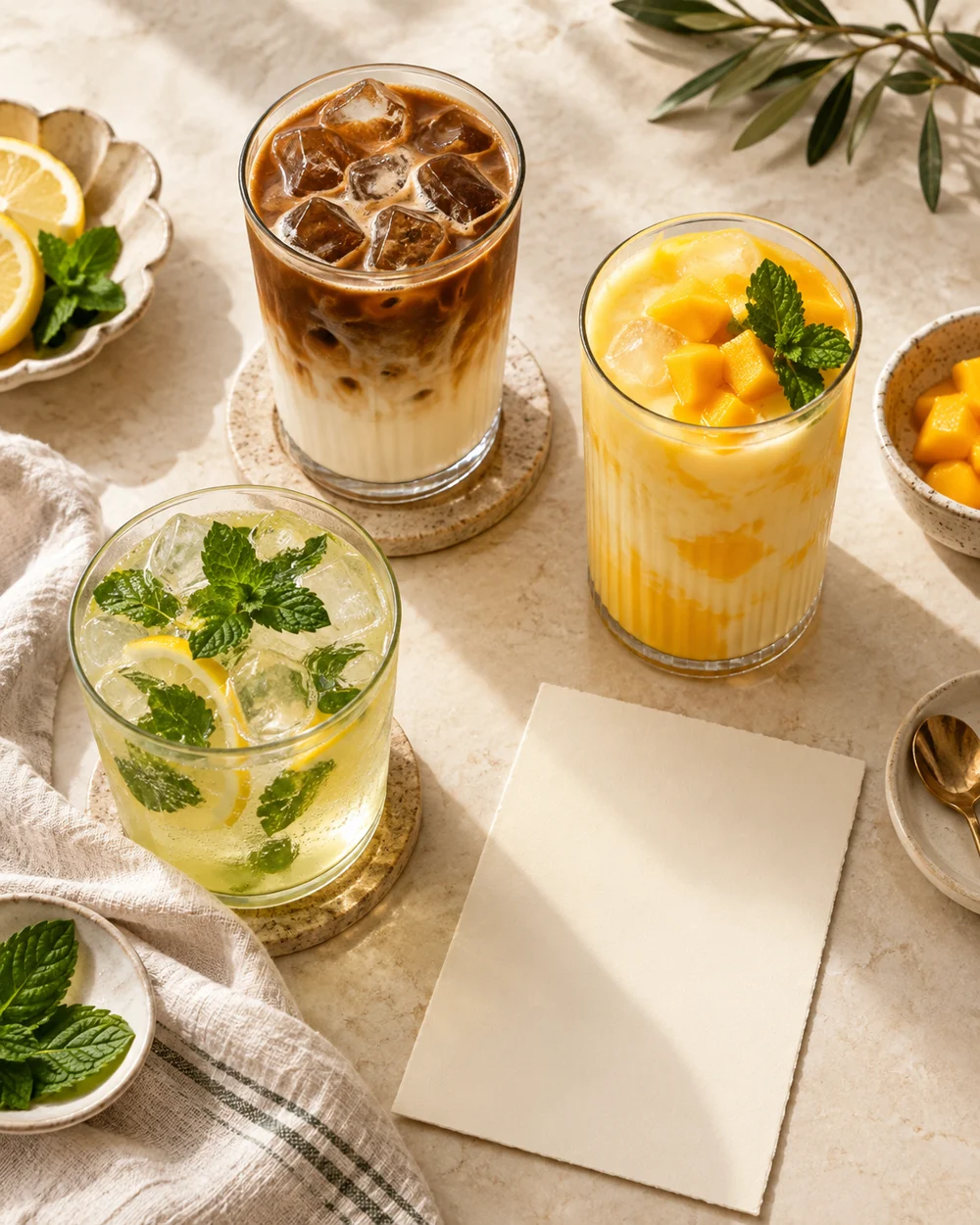
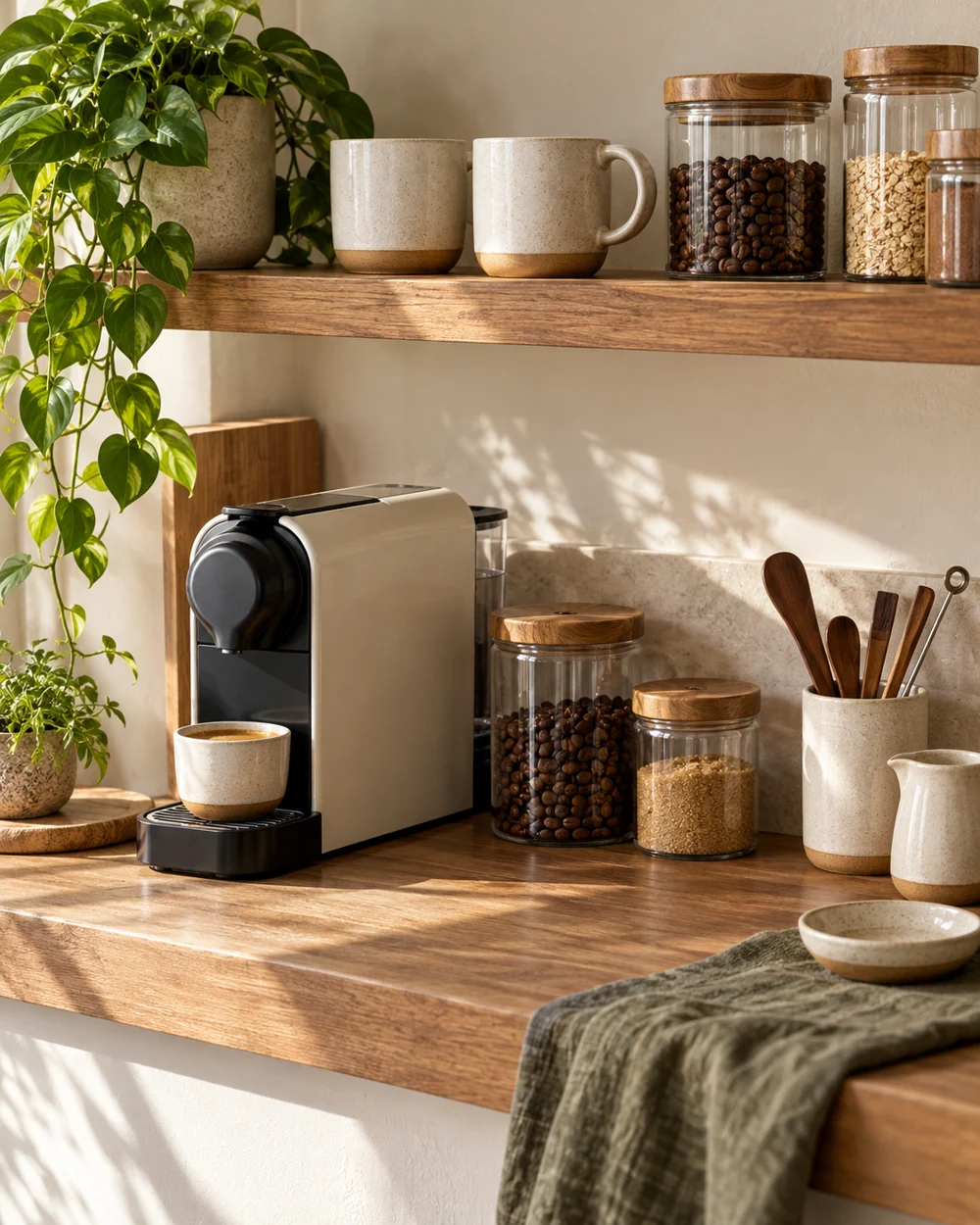
Representative category illustration reused from our editorial library; it does not depict this specific project or a tested result.
Check the vessel's intended use
Read the maker's heat and temperature-change guidance for the actual vessel. Do not infer suitability from a thick wall, a double-wall shape or a familiar glass material name alone.
Inspect before preparation
Follow the maker's inspection and replacement advice. Do not use damaged glass or an unidentified decorative vessel for a temperature-changing preparation merely because another product tolerates it.
Use a suitable preparation vessel
Brew or cool coffee in equipment intended for that task. No five-second metal-pitcher swirl is validated as a safe temperature reduction for every shot and serving vessel. Follow the equipment's handling directions.
Do not rely on a liquid barrier
Milk, water or ice in the glass does not guarantee that hot coffee cannot contact the walls or eliminate thermal stress. Use a serving method explicitly suitable for the vessel rather than treating a layering technique as glass-safety protection.
Keep temperature transitions within instructions
Do not improvise freezer conditioning, rinses or hot-to-cold transfers as proof of safety. Where suitability is uncertain, use another supported serving vessel or obtain the maker's guidance. Handle dairy and other refrigeration-required ingredients under their separate storage rules.
A little more
to know.
Does adding ice or cold milk guarantee the glass will not crack?
No. Use the actual vessel's permitted preparation and temperature-change conditions.
Does a borosilicate label establish an unlimited temperature difference?
No. Product construction, condition and intended use still matter; follow that vessel's directions.
Original editorial guidance and recipe formulations, not independently kitchen-tested. Times are estimates and depend on equipment and product directions. Cooked bases need additional cooling and refrigeration before cold serving. Images are AI-generated illustrations; appearance and yield may vary. Check actual ingredient labels, allergens, and any certification you require. We do not certify products. Read our approach.
Save to Pinterest ↗ANOTHER IDEA FOR THE COUNTER