Choose Suitable Milk and Fruit Combinations for a Cold Drink
Mixing fresh fruit with milk can go wrong, because some combinations separate into grainy clumps. No stirring trick, sweetener, or ice step can promise a smooth result. A better approach is to start with an established recipe written for the fruit and dairy you plan to use, follow product directions, handle ingredients safely, and serve parts separately when a recipe does not support mixing them. This guide shows how to make those choices at home.
Read the note ↓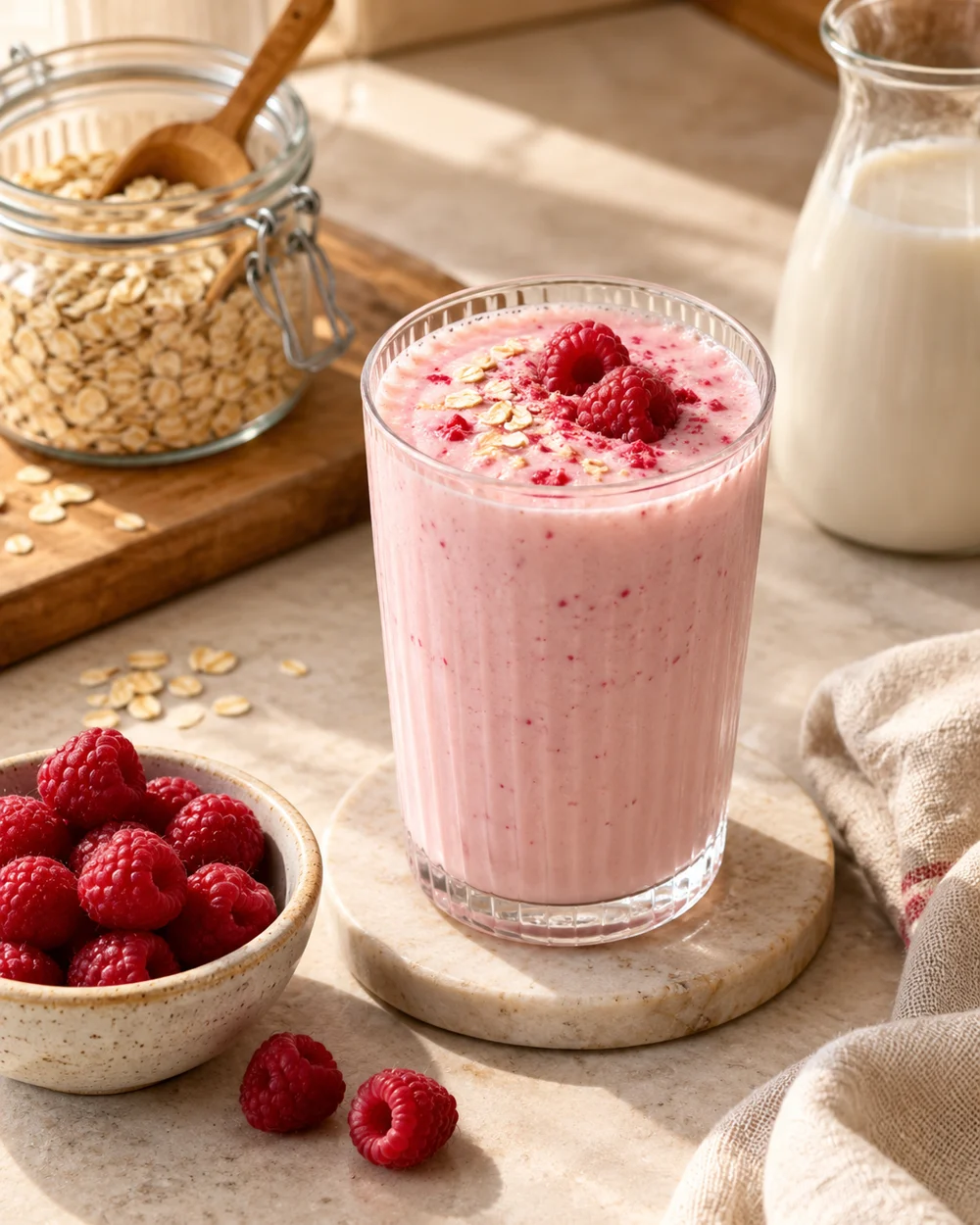
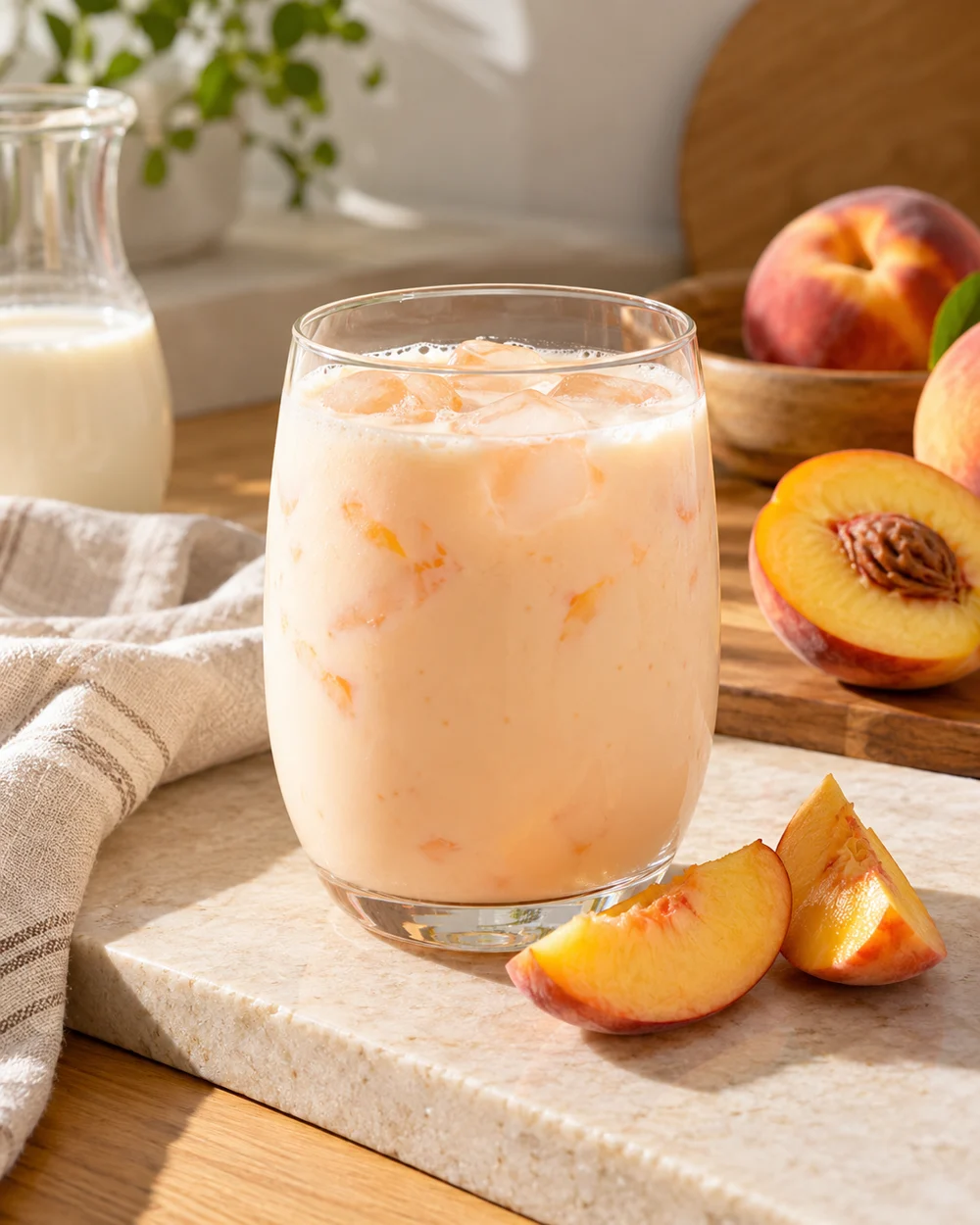
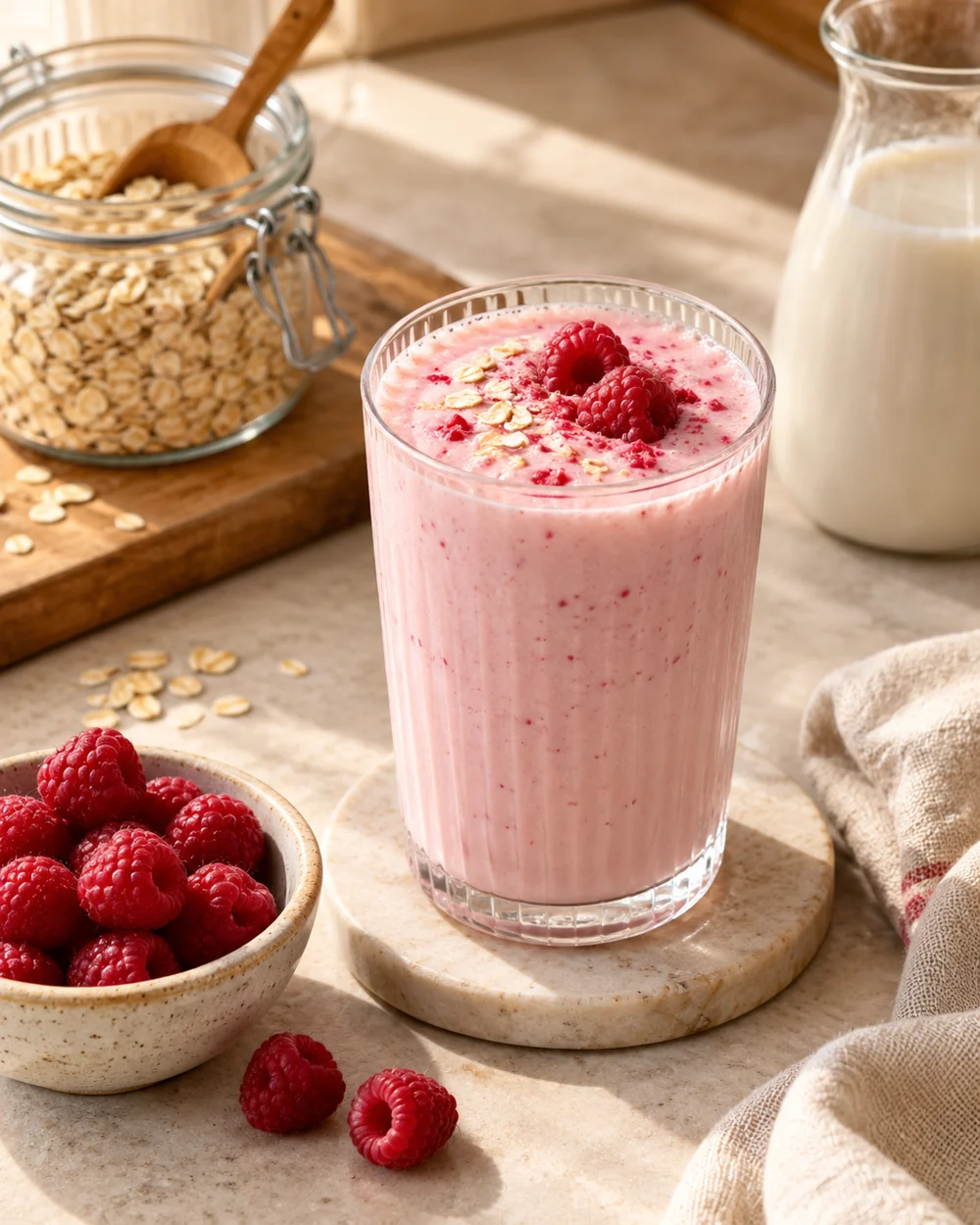
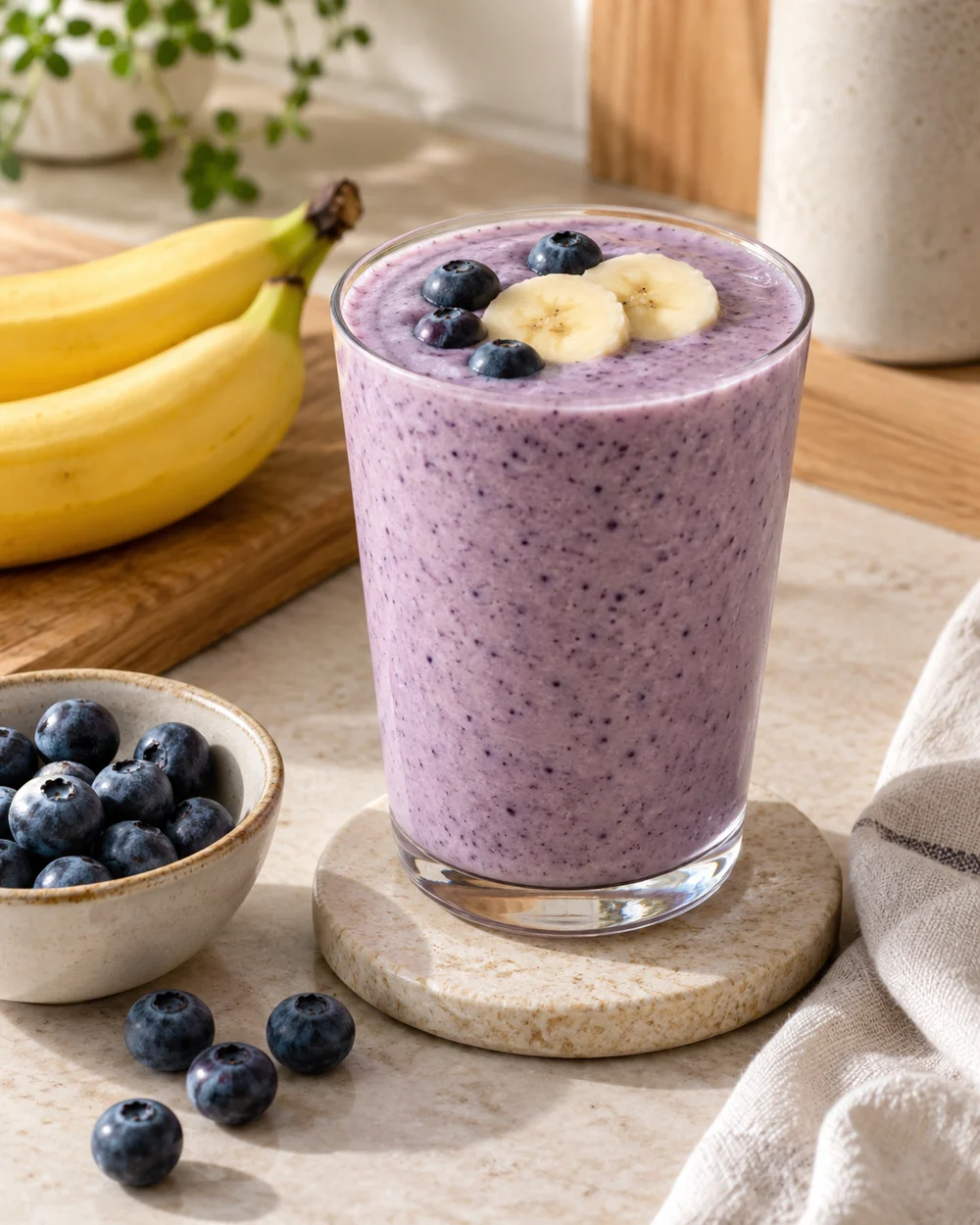
Representative category illustration reused from our editorial library; it does not depict this specific project or a tested result.
Start with a recipe, not a rescue trick
Pick a recipe that already pairs your chosen fruit with your chosen dairy, ideally from a dairy producer, a fruit-drink cookbook, or a beverage maker's instructions. Note the exact ingredients: whole milk, cream, yogurt, evaporated milk, or a plant-based drink are not interchangeable. If you swap one, treat the result as an experiment rather than a reliable method. Sugar, extra chilling, or careful stirring may change taste and texture, but none of them is a guarantee against separation.
Read the product directions
Check the labels on the milk, yogurt, cream, juice, puree, or syrup. Look for directions about shaking, storage, use-by dates, and whether the product suits cold drinks or cooking. Some plant-based drinks are sold with barista or culinary guidance; follow that wording rather than assuming it behaves like dairy milk. If a fruit product comes with serving suggestions, use them as written. When labels and recipes disagree, choose the more cautious option and keep the components separate.
Handle dairy and fresh fruit safely
Use pasteurized dairy and keep it refrigerated until you are ready to make the drink. FDA guidance is to keep perishable food at 4°C (40°F) or below and refrigerate within two hours, or within one hour when the room is above 32°C (90°F). Wash and prepare fruit with ordinary clean-kitchen habits, using clean tools and containers. Do not decide a drink is safe because it looks, smells, or tastes normal.
Check compatibility before combining
Compare your plan with the recipe line by line: fruit type, fresh or cooked, dairy type, and order of assembly. If the recipe uses a fruit puree or syrup, do not replace it with raw juice and expect the same result. Avoid claims that an ingredient neutralizes or buffers acidity unless the recipe maker states how to use it. If your version changes several items, make a small serving first and keep notes.
Serve components separately when needed
If no reliable recipe supports combining a fresh acidic fruit with milk, serve them side by side. Offer chilled milk in one glass and a fruit drink, sliced fruit, or fruit puree in another, or provide fruit on a plate with a milk-based drink. Guests can enjoy them in turn. This avoids presenting an unsupported mix as dependable, and each item can stay in its own refrigerated container until serving.
A little more
to know.
Can sugar or ice stop milk from curdling with fruit?
No technique can be promised to do that. Sugar, ice, chilling, layering, and stirring may change how a drink tastes or looks, but they are not guarantees. Use a recipe designed for that fruit and dairy, or serve the components separately.
Is a drink safe if it looks and smells normal?
Appearance, smell, and taste cannot show whether perishable food is safe. Keep dairy and cut fruit at 4°C (40°F) or below, refrigerate within two hours, or one hour above 32°C (90°F), and follow the product's use-by and storage directions.
Original editorial guidance and recipe formulations, not independently kitchen-tested. Times are estimates and depend on equipment and product directions. Cooked bases need additional cooling and refrigeration before cold serving. Images are AI-generated illustrations; appearance and yield may vary. Check actual ingredient labels, allergens, and any certification you require. We do not certify products. Read our approach.
Save to Pinterest ↗ANOTHER IDEA FOR THE COUNTER