Prepare Smooth Melon Bases Without Fibrous Separation
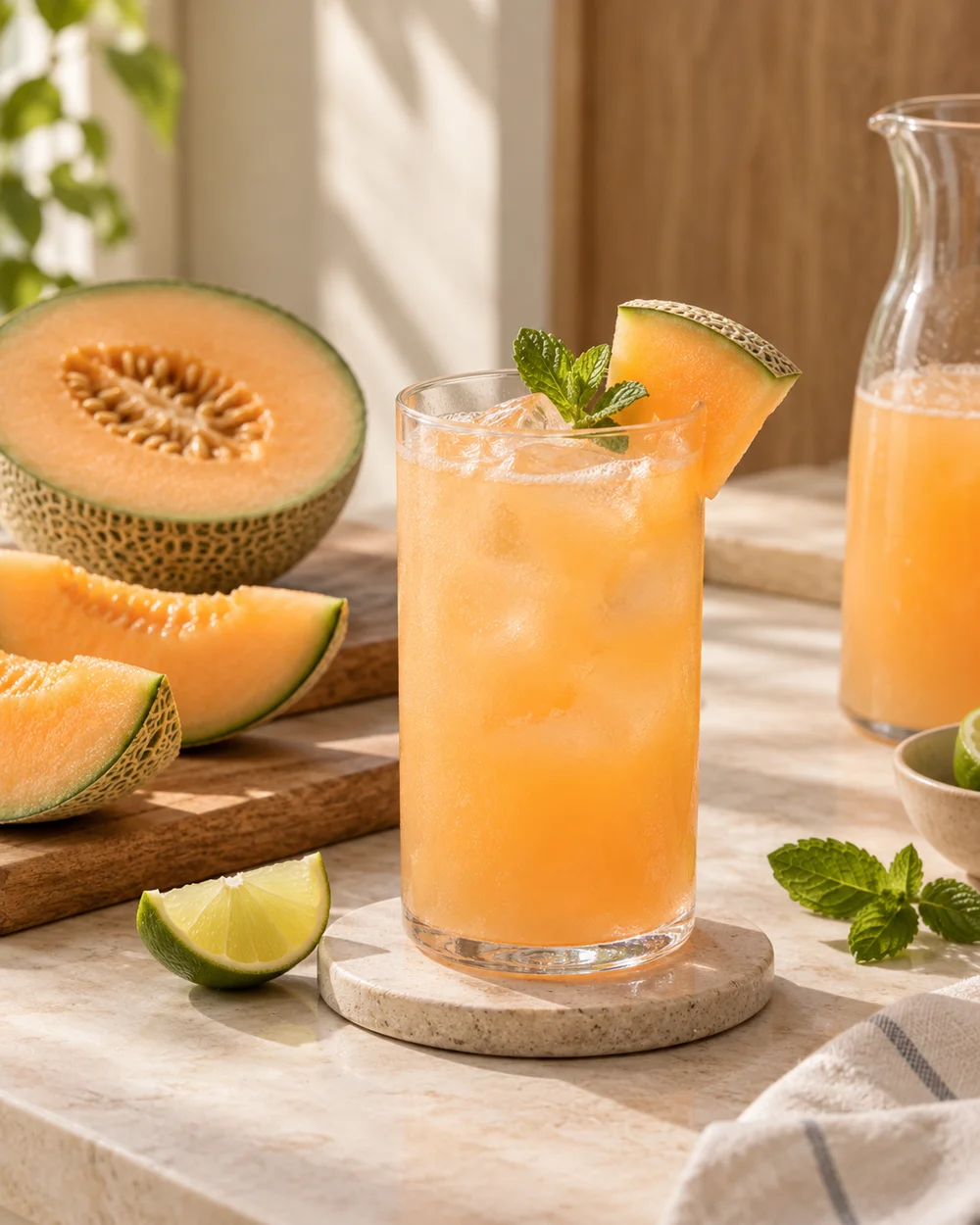
Fresh melon beverages often separate quickly after pouring, leaving pale pulp floating or settling out into uneven layers. Cantaloupe and honeydew contain fibrous pulp and plenty of natural water, which easily breaks apart in serving glassware if prepared without care. By thoroughly trimming the fruit, straining the blended puree through graduated mesh filters, and blending in a small measure of light simple syrup for better body, you can create a smooth, cohesive melon base that pours cleanly and holds together throughout still beverage service.
Read the note ↓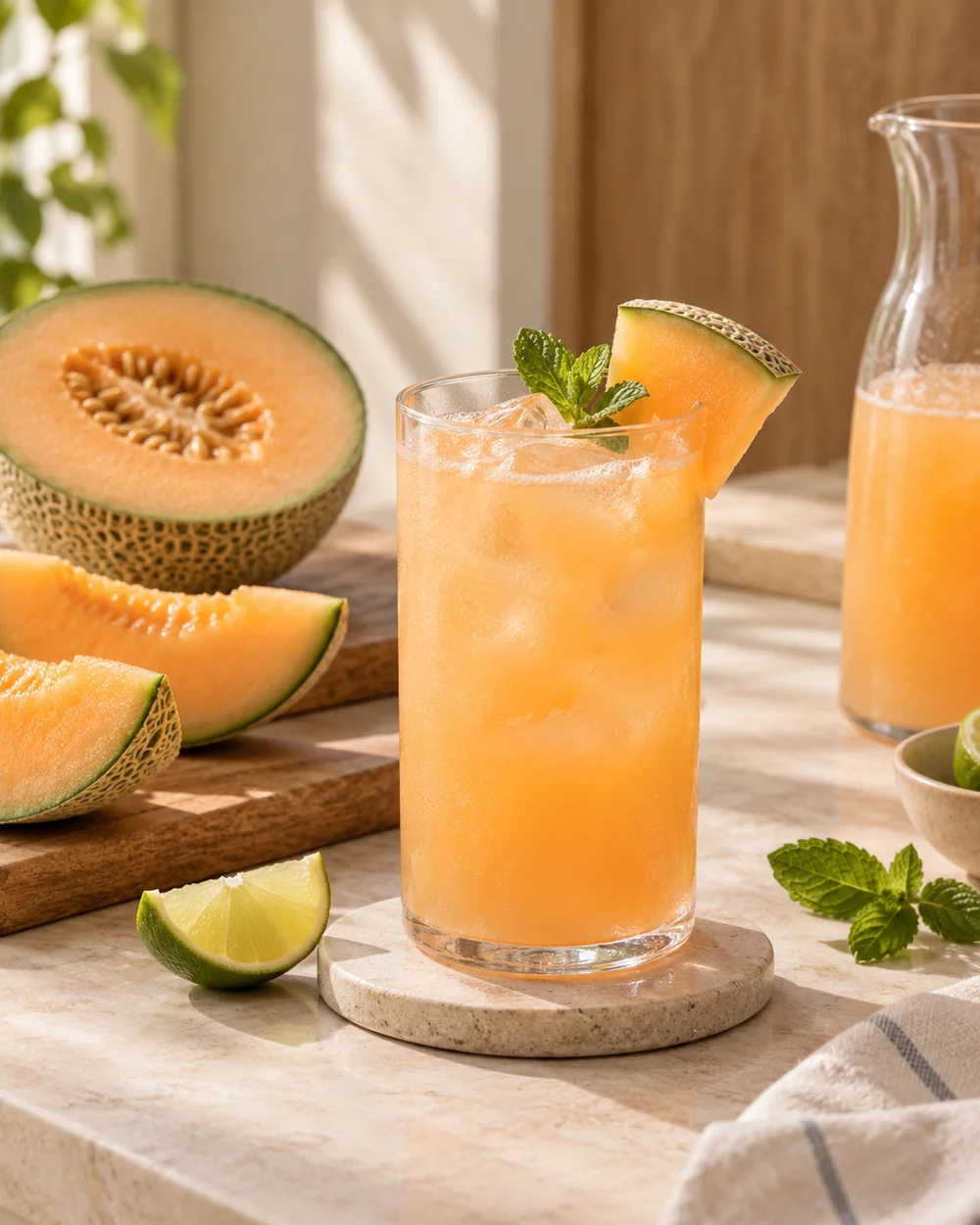
Representative category illustration reused from our editorial library; it does not depict this specific project or a tested result.
Remove Inner Seed Fibers and Rind
Coarse texture begins with poor fruit preparation. When prepping cantaloupe or honeydew, scrape away the soft, stringy seed core completely using a sturdy metal spoon, as these fibers resist pureeing and float to the top of drinks. Trim the outer rind generously, cutting past the tough, pale perimeter into the tender, fully ripe flesh. Blending only the softer, sweet interior fruit yields a far smoother consistency and prevents stringy pulp from surviving the initial blend.
Blend in Short Controlled Bursts
Prolonged high-speed blending whips excess air into melon puree, creating thick foam that quickly rises and speeds up separation in the glass. Puree chilled melon cubes on medium speed using short pulses of 10 to 15 seconds just until the fruit breaks down into a uniform liquid. Running the blender longer than necessary warms the fresh fruit and incorporates stubborn froth that is difficult to strain out. Keeping the pulse cycles brief maintains cool temperatures and preserves the melon's fresh, delicate flavor.
Strain Using Graduated Mesh Filters
Squeezing pureed melon through cheesecloth often forces fibrous pulp through the cloth weave. Instead, pour the blended melon through a standard stainless steel kitchen sieve to catch the larger pulp, then pass the liquid through a fine-mesh strainer. Let the juice run through naturally rather than pressing down firmly with a spatula, as heavy pressing pushes coarse particles through the screen. This two-stage straining removes the bulk of the dense pulp that causes quick separation while retaining the fruit's vivid color and fresh sweetness.
Balance Viscosity with Light Syrup
Strained melon juice is naturally watery, which allows fine remaining particles to settle or rise quickly once poured. Stirring in a small amount of chilled simple syrup adds gentle body and sweetness, giving the liquid a smoother, more cohesive texture in iced drinks. As an illustrative planning example, mixing 45 milliliters of chilled one-to-one simple syrup into 300 milliliters of strained melon juice creates a well-rounded base that holds together attractively in tall glassware without separating immediately.
Chill and Refrigerate Promptly
Fresh melon juice loses its crisp quality quickly when left sitting at room temperature. Transfer the strained base into a clean, airtight glass bottle immediately after mixing. In line with standard food safety practices for cut melons, refrigerate the sealed container at 4 degrees Celsius or colder within two hours of cutting, or within one hour if room temperature exceeds 32 degrees Celsius. Chilling the mixture promptly keeps the melon base fresh and preserves its clean flavor throughout service.
A little more
to know.
Can lemon juice prevent melon pulp separation in still drinks?
Citrus juice adds brightness and balances sweetness, but it does not stop melon pulp from settling. Thorough straining through fine mesh and incorporating a light simple syrup remain the most effective steps for achieving a smooth, uniform drink.
How long will a strained melon base remain stable in the refrigerator?
When kept properly sealed at 4 degrees Celsius or below, a strained melon base retains uniform suspension and fresh flavor for up to 24 hours. Natural separation begins slowly after this window.
Original editorial guidance and recipe formulations, not independently kitchen-tested. Times are estimates and depend on equipment and product directions. Cooked bases need additional cooling and refrigeration before cold serving. Images are AI-generated illustrations; appearance and yield may vary. Check actual ingredient labels, allergens, and any certification you require. We do not certify products. Read our approach.
Save to Pinterest ↗ANOTHER IDEA FOR THE COUNTER