Maintain Safe Cold-Hold Temperatures on Open Milk Pitchers
Hosting guests for home espresso drinks often leads to open milk cartons lingering on the counter near heat-radiating machinery. Dairy warmth builds quickly during steady drink preparation, encouraging spoilage organisms to multiply unnoticed. Protecting pasteurized cow milk or enriched plant milks requires an intentional cold-holding routine rather than leaving large jugs exposed indefinitely. By measuring out narrow working volumes, establishing firm time thresholds, and returning supply containers promptly to internal refrigeration below 4C (40F), home baristas keep dairy fresh, eliminate unnecessary waste, and maintain sanitary standards across consecutive servings.
Read the note ↓
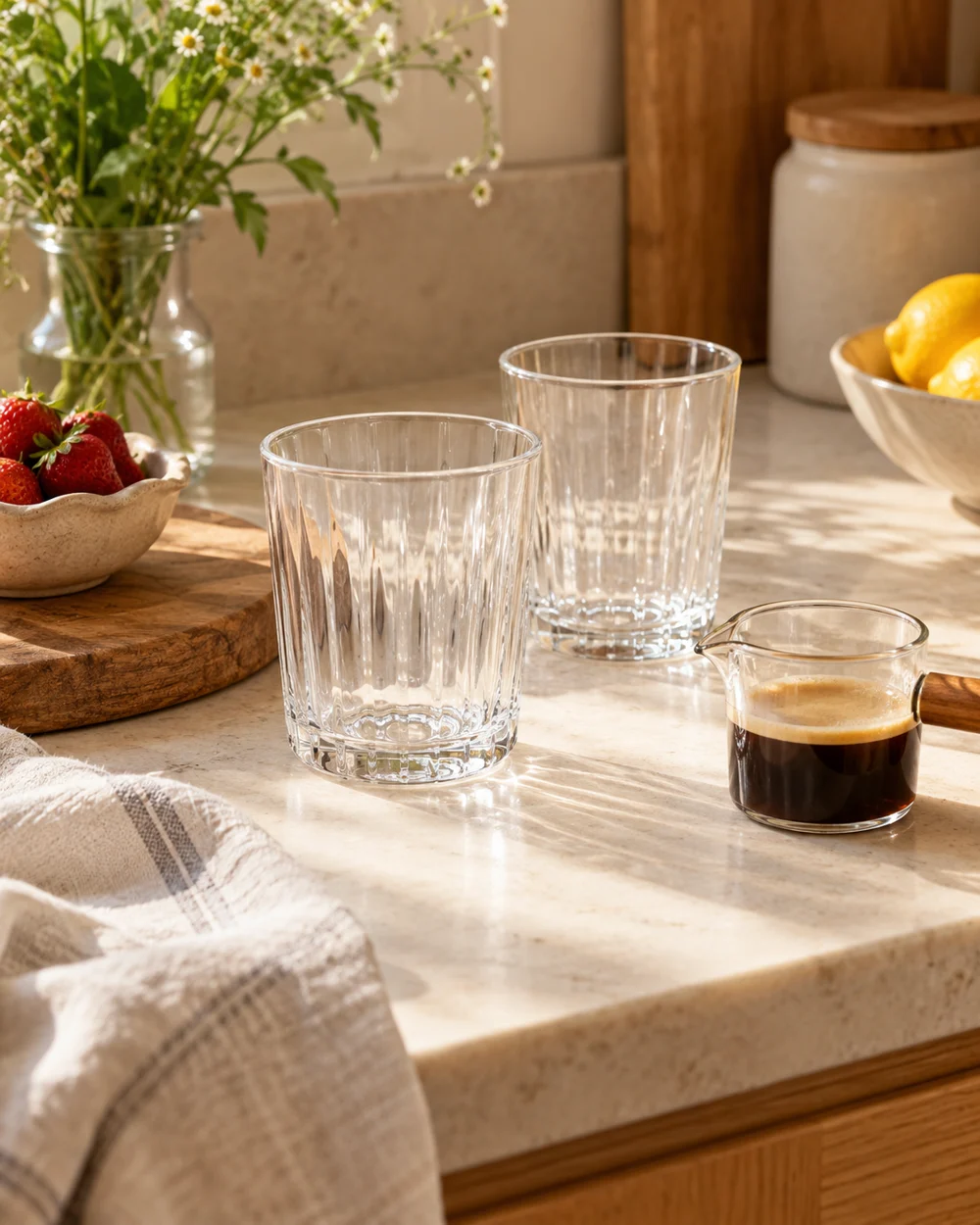
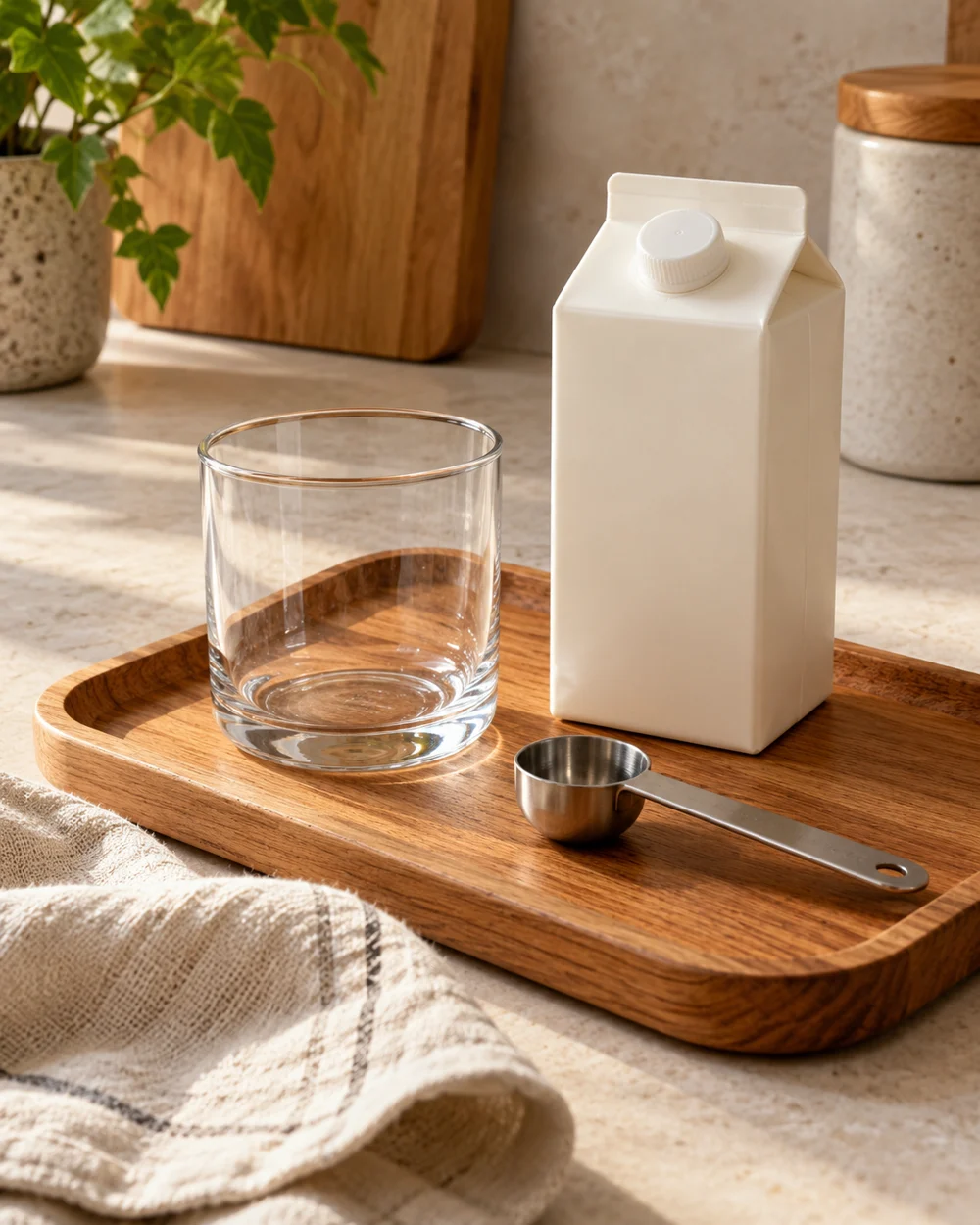
Representative category illustration reused from our editorial library; it does not depict this specific project or a tested result.
Decant Only Immediate Working Volumes
Pour only the volume needed for one or two beverages into your stainless steel frothing pitcher. If crafting two small flat whites, pour approximately 240 milliliters rather than filling a 600-milliliter vessel to the brim. A half-empty pitcher absorbs ambient counter warmth rapidly, whereas smaller portions are steamed immediately before warming occurs. Keep the original carton sealed inside the refrigerator until another pour is necessary, preserving the primary milk reserve at its target baseline temperature.
Position Counter Pitchers Away from Equipment Heat
Espresso boilers, cup warming trays, and grinder motors cast substantial radiant warmth across nearby prep surfaces. Placing an open pitcher within thirty centimeters of an active boiler housing raises liquid temperatures faster than standard room exposure. Designate a cold staging sector on the opposite side of your knock box or prep station. A dedicated silicone mat positioned away from grinder vents keeps resting metal pitchers isolated from mechanical heat transfer during preparation pauses.
Track the Two-Hour Counter Threshold
Pasteurized dairy held at room temperature must be returned to refrigeration at or below 4C within two hours, or within one hour if ambient room temperature exceeds 32C. An illustrative setup involves setting a basic kitchen timer for ninety minutes the moment a fresh carton opens for service. Once the alarm chimes, any milk remaining in countertop pitchers must be chilled or discarded, rather than topped up with fresh milk from the refrigerator.
Implement Secondary Ice Wells for Extended Service
When serving continuous drinks over several hours, place the stainless pitcher inside an insulated ceramic crock containing an ice-water bath. Water transfers thermal energy more efficiently than air alone, keeping pitcher walls cold between drinks. Maintain the water level below the pitcher spout to prevent accidental dilution. This secondary barrier buffers against rising room temperatures without requiring constant round trips to the main refrigerator during peak serving windows.
Avoid Merging Warm Leftovers into Chilled Stocks
Never pour unused, warm milk from a pitcher back into the cold primary gallon or carton. Doing so elevates the baseline temperature of the entire refrigerated batch and introduces airborne contaminants into fresh stock. Discard leftover steamed dairy that has dropped below holding thresholds, or rinse the pitcher immediately with cold tap water before adding fresh, cold milk. Clean pitchers between uses prevent buildup of sour film along the internal stainless walls.
A little more
to know.
Can I leave oat milk out longer than standard cow dairy?
No. Commercial pasteurized plant milks contain fats, proteins, and moisture that support bacterial growth once unsealed. Apply the identical two-hour room temperature limit, refrigerating open cartons promptly at or below 4C.
Does chilling a metal pitcher in the freezer extend counter safety?
A frozen pitcher helps maintain steaming performance for a few minutes, but it does not replace active refrigeration. Track total counter time from the moment liquid leaves the cold refrigerator carton.
Original editorial guidance and recipe formulations, not independently kitchen-tested. Times are estimates and depend on equipment and product directions. Cooked bases need additional cooling and refrigeration before cold serving. Images are AI-generated illustrations; appearance and yield may vary. Check actual ingredient labels, allergens, and any certification you require. We do not certify products. Read our approach.
Save to Pinterest ↗ANOTHER IDEA FOR THE COUNTER