Whisk Warm Oat Milk Without Separation
Frothing oat milk at home frequently produces thin, watery foam or curdled, gelatinous sediment when heat is applied carelessly. Commercial oat beverages rely on natural grain starches and added vegetable oil emulsions to maintain a smooth body. Exposing oat milk to excessive heat unravels its plant proteins and triggers starch gelatinization above 65 degrees Celsius, transforming the liquid into a viscous paste that subsequently breaks into watery liquid and slimy flakes. Controlling heating temperatures precisely and using correct whisking mechanics allows you to produce stable, creamy foam for coffee or warm pantry drinks without curdling or separation.
Read the note ↓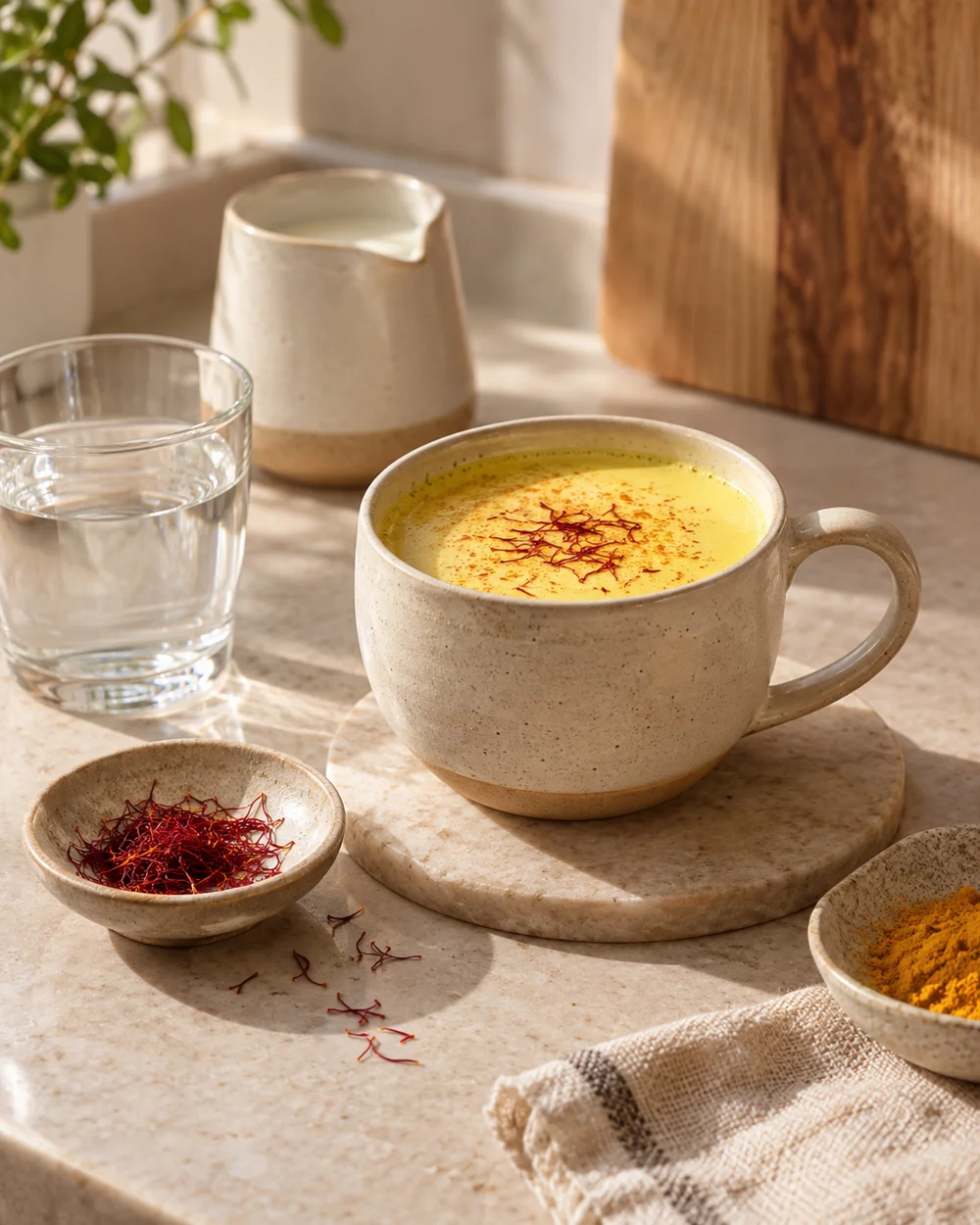
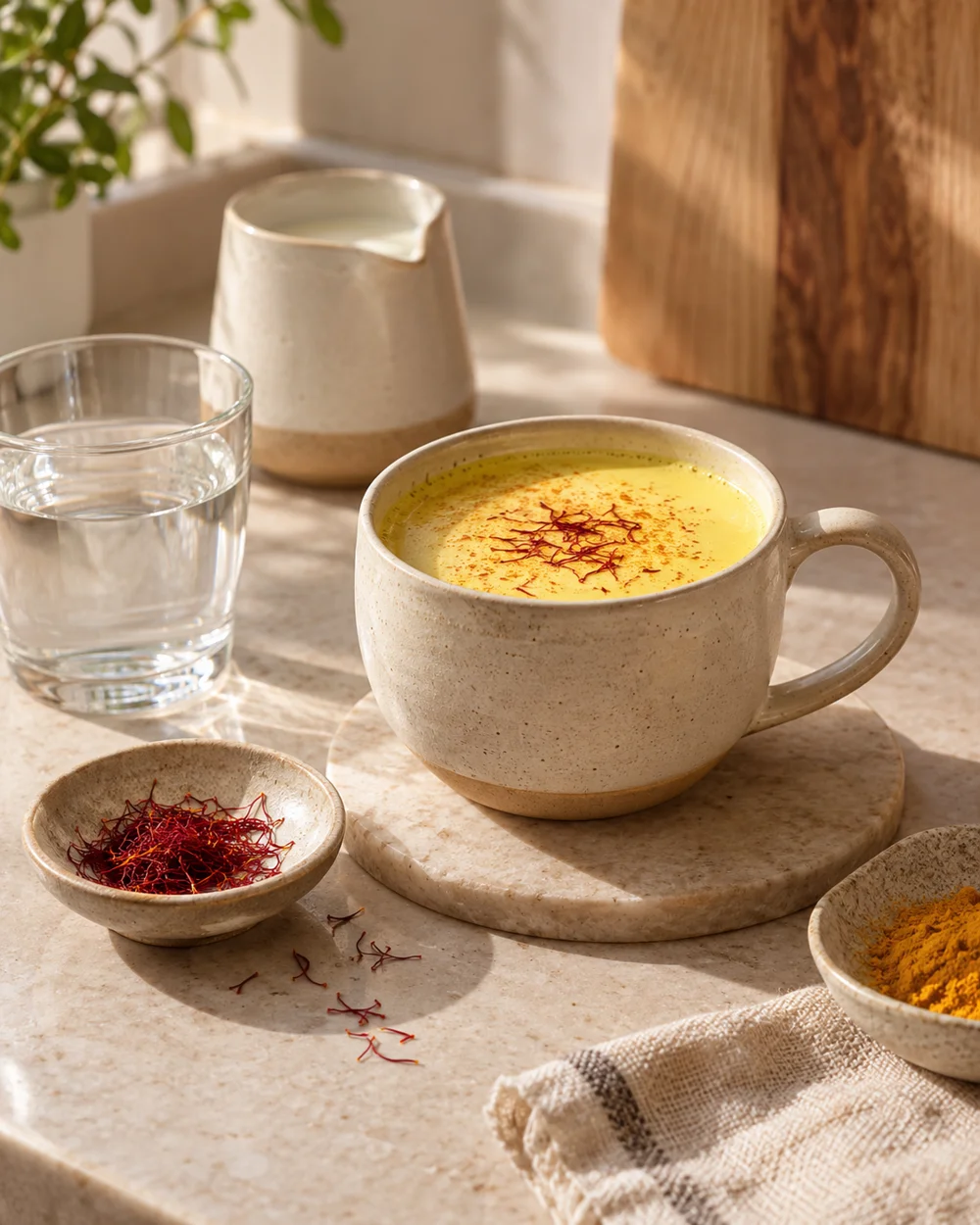
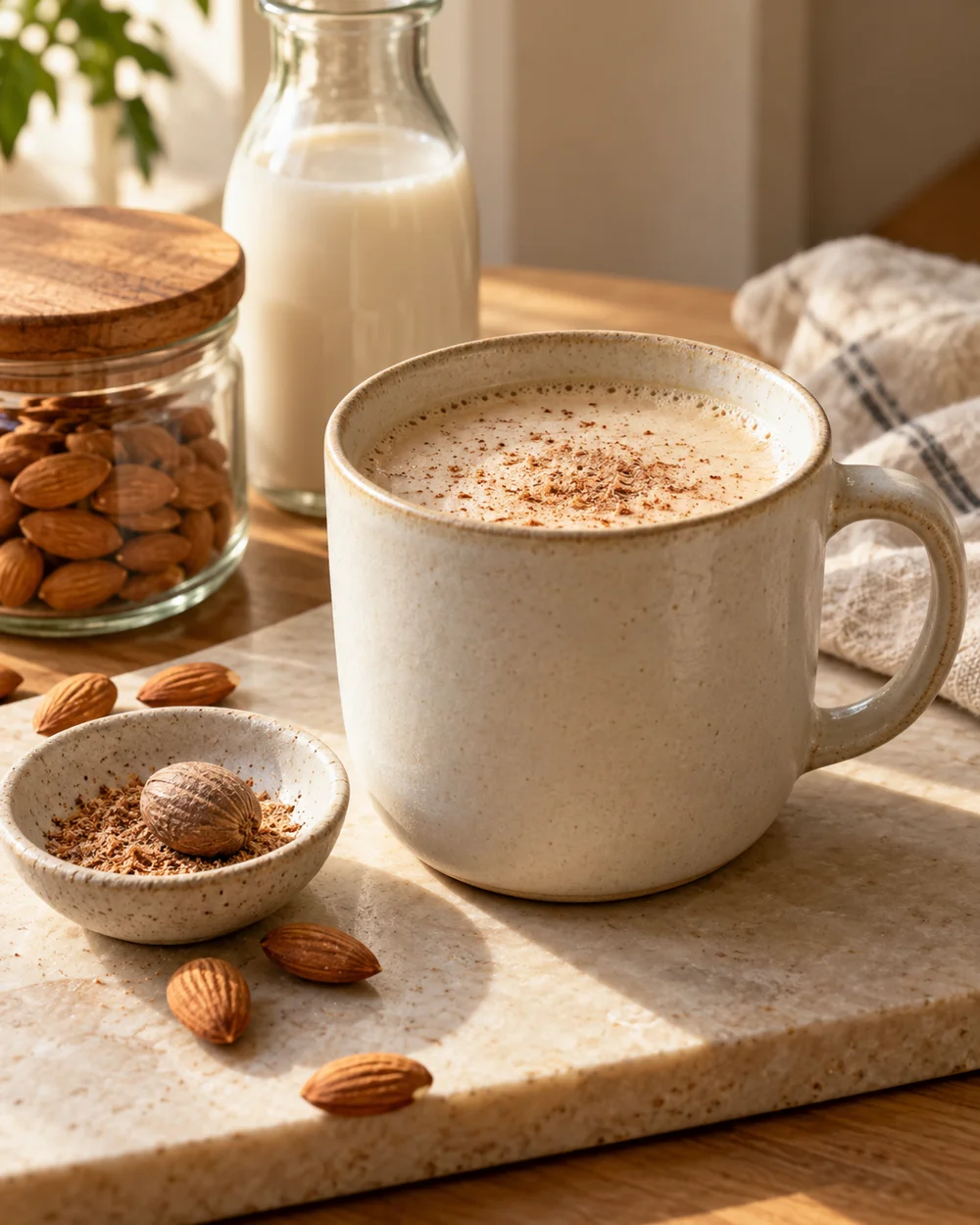
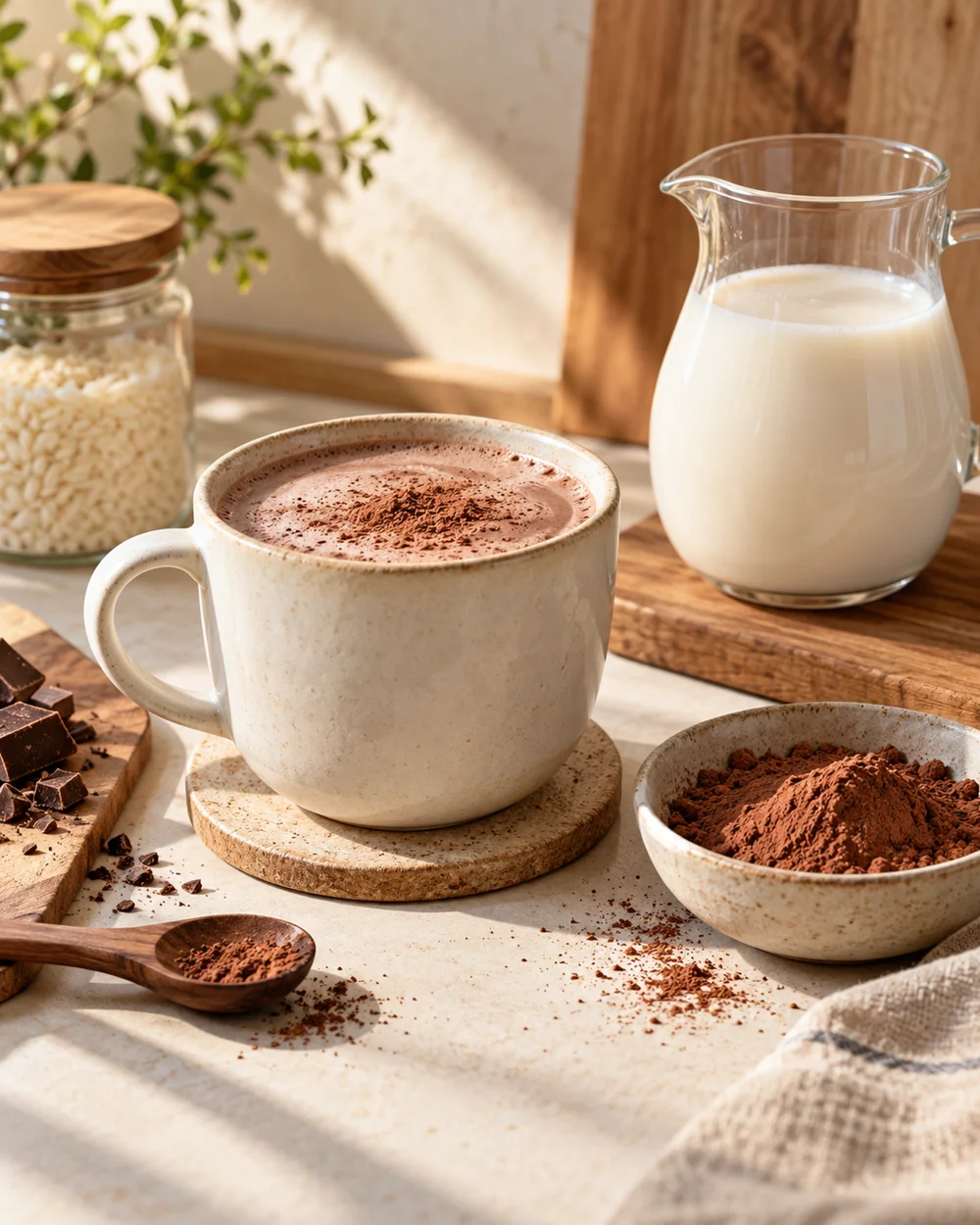
Representative category illustration reused from our editorial library; it does not depict this specific project or a tested result.
Selecting and Shaking the Oat Base
Choose a commercial oat beverage formulated for warm drinks, typically labeled as a barista blend, which contains added vegetable oils and acidity regulators such as dipotassium phosphate. Standard oat milks containing only water and oats lack sufficient fat and stabilizing buffers, causing them to separate rapidly upon heating. Before opening, shake the carton thoroughly for ten seconds to redisperse settled grain starches and emulsified fats evenly throughout the carton. Measure 150 milliliters of oat milk into a small stainless steel saucepan sized appropriately for small-volume stovetop heating.
Thermal Management Below Sixty Celsius
Set the saucepan over medium-low heat. Stir the oat milk continuously with a flexible silicone spatula, sweeping the bottom of the pan to prevent localized hot spots from scorching the starches against the stainless base. Check the liquid temperature using a digital instant-read thermometer. Remove the pan from the heat source when the milk registers between 55 and 60 degrees Celsius. Never let the milk exceed 65 degrees Celsius; past this threshold, native oat starches swell and gelatinize, creating a heavy, gloopy texture that permanently splits the emulsion.
Pouring into an Appropriately Sized Vessel
Transfer the warmed oat milk immediately into a pre-warmed, tall ceramic mug or stainless steel frothing pitcher. Pre-warm the vessel by rinsing it with hot tap water and drying it thoroughly before adding the warm milk, which prevents sudden heat loss that could drop the liquid below 45 degrees Celsius. A tall, narrow vessel provides sufficient liquid depth for whisking without causing messy splashing, while keeping the surface area compact so that introduced air bubbles remain concentrated within the warm liquid.
Handheld Whisking and Frothing Mechanics
Select a handheld battery-operated frothing wand or a compact wire coil whisk rather than a bulky balloon whisk, which cannot operate freely inside narrow vessels. If using an electric frothing wand, submerge the spinning coiled head just beneath the liquid surface at a slight tilt for fifteen seconds to fold in air until the volume expands by roughly one-third. Then lower the wand deeper toward the bottom for ten seconds to circulate the foam and break down large surface bubbles. If using a manual coil whisk, roll the handle briskly between your palms for thirty seconds to generate steady, fine foam.
Immediate Integration and Pouring
Gently tap the base of the pitcher against the countertop once to dislodge oversized air pockets, then swirl the pitcher in small circles for five seconds to blend the foam cap into the warm liquid beneath. Pour the frothed oat milk into your prepared coffee or warm drink immediately. Unlike dairy milk, plant-based foams destabilize rapidly upon standing; leaving frothed oat milk undisturbed for more than two minutes allows suspended bubbles to float upward and coalesce, separating the foam from the thinner liquid below.
A little more
to know.
Why does warm oat milk sometimes curdle when poured into light-roast filter coffee?
Light-roast coffees contain higher concentrations of organic acids, resulting in a lower pH. When this acidic liquid meets warm oat milk, the drop in pH can destabilize plant proteins and cause curdling. Using barista-style oat milk containing dipotassium phosphate buffers against acidity and helps prevent this reaction.
Can an espresso machine steam wand be used instead of a handheld frother?
Yes, an espresso steam wand works effectively, but oat milk heats much faster than dairy milk. Keep the steam tip near the surface briefly to incorporate air, then submerge it to build a gentle whirlpool, shutting off the steam valve as soon as the pitcher feels warm to the touch at 55 to 60 degrees Celsius.
Original editorial guidance and recipe formulations, not independently kitchen-tested. Times are estimates and depend on equipment and product directions. Cooked bases need additional cooling and refrigeration before cold serving. Images are AI-generated illustrations; appearance and yield may vary. Check actual ingredient labels, allergens, and any certification you require. We do not certify products. Read our approach.
Save to Pinterest ↗ANOTHER IDEA FOR THE COUNTER