Strain Seeds from Fresh Blackberry Bases Without Bitterness
Blackberry bases provide vibrant color and rich tartness to iced cafe drinks, but straining the fruit often introduces harsh bitterness. Blackberry seeds contain brittle outer coats packed with astringent polyphenols and tannins. When forced violently through fine wire mesh or crushed in high-speed blenders, these seed hulls crack open, releasing bitter compounds directly into the sweet puree. Employing gentle mechanical maceration, correct mesh sizing, and gravity-assisted pressing separates the smooth fruit pulp and natural pectins from the hard seeds, preserving a clean, bright berry flavor profile for cold beverages.
Read the note ↓
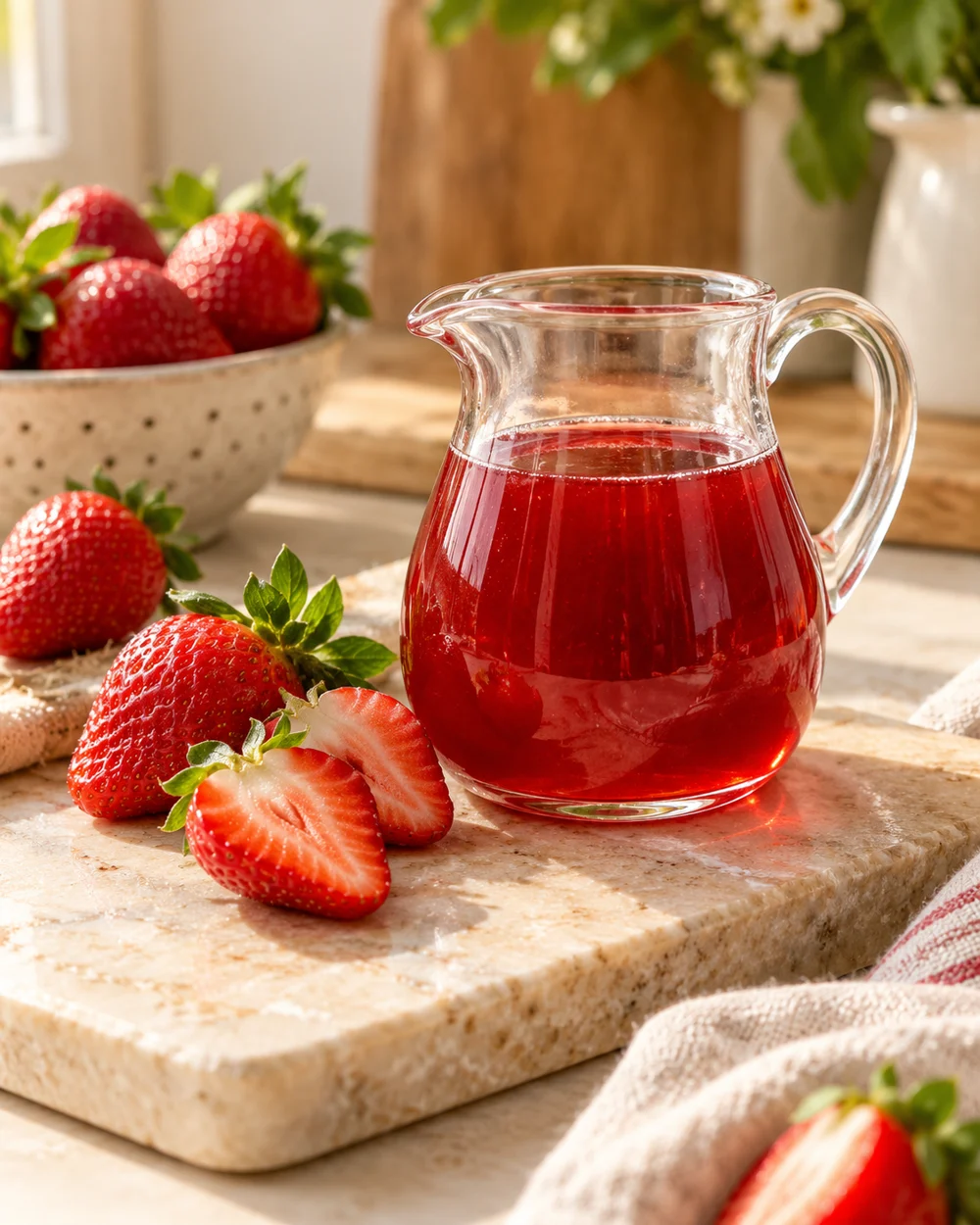
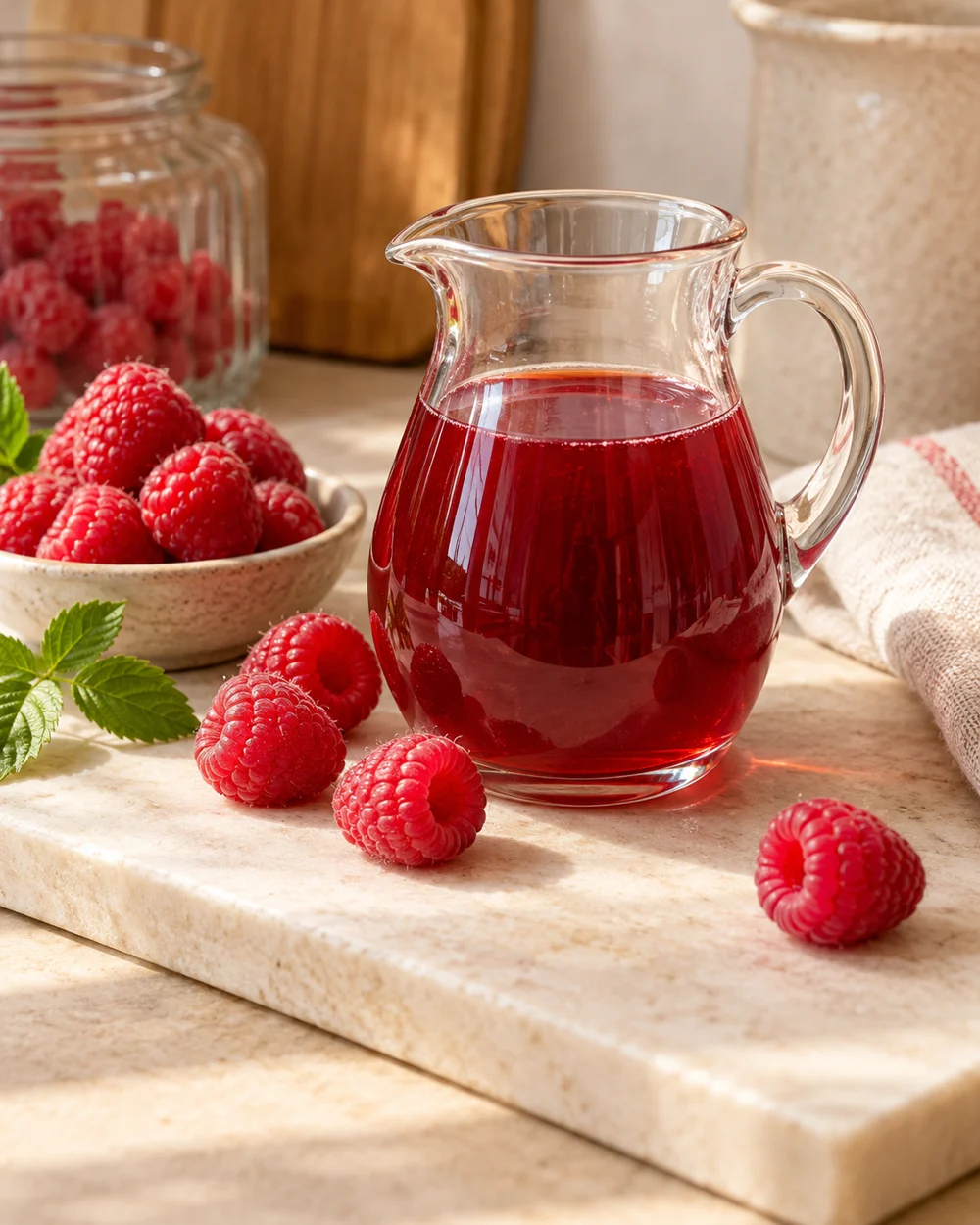
Representative category illustration reused from our editorial library; it does not depict this specific project or a tested result.
The Chemical Cause of Blackberry Astringency
The edible flesh of a blackberry is composed of delicate drupelets surrounding individual hard seeds. The pulp contains soluble sugars, organic fruit acids, and pectin, which lend body to drink syrups. The seeds, however, harbor complex tannins designed to protect the seed embryo. When subjected to shearing forces, these seeds fracture. The resulting tannins bind with saliva proteins, producing an unpleasantly dry, medicinal sensation on the palate that overpowers delicate iced teas, sparkling waters, and milk infusions.
Gentle Fruit Maceration Before Straining
Never pulverize whole fresh blackberries in a blender or food processor if you intend to create a smooth beverage base. Instead, rinse the fresh fruit thoroughly and place it into a wide mixing bowl. Use a broad, flat-faced wooden muddler or potato masher to press downward gently. The goal is to rupture the tender drupelet skins and free the juice without applying excessive sideways shearing force against the hard seeds clustered at the bottom of the vessel.
Selecting Mesh Geometry and Sieve Material
Choose a medium-gauge stainless steel mesh strainer with aperture openings around 1 to 1.5 millimeters. Very fine tea strainers clog quickly with pectin, tempting you to scrape too aggressively, while wide colanders allow small seed fragments to slip through into the final syrup. For an illustrative batch of 300 grams of crushed fruit, a 15-centimeter diameter conical strainer provides sufficient surface area to let juice drain freely without creating a dense, compacted seed dam.
Employing Gravity-Driven Soft Pressing Techniques
Pour the mashed fruit into the strainer suspended over a clean catchment bowl. Allow natural gravity to pull the free-run juice through for the first few minutes. To move the thicker pulp, use a flexible silicone spatula to sweep the top of the mass lightly in wide circular strokes. Never grind a metal spoon against the bottom mesh; abrasive metal contact easily mills seed coats. Stop pressing as soon as the remaining mass consists primarily of pale, dry seeds.
Safe Cooling and Chilled Storage Standards
Fresh fruit bases spoil quickly due to wild ambient molds and airborne yeasts. If you heated the puree gently to dissolve sugar, cool the base rapidly by setting the bowl in an ice water bath. Transfer the strained blackberry liquid into an airtight glass bottle and store it in a refrigerator maintained at 4 degrees Celsius or below within two hours. Consume the fresh fruit base within three days to enjoy peak aromatic quality.
A little more
to know.
Can I use cheesecloth to filter out blackberry seeds instead of a sieve?
Cheesecloth works for clear, clarified syrups, but dense natural blackberry pectins quickly saturate the woven cloth fibers. This requires intense manual squeezing, which can rupture seeds and release bitter tannins into the strained juice.
What should I do if the fruit base tastes slightly astringent after straining?
If subtle astringency occurs, dilute the base into a simple sugar syrup rather than serving it neat. Adding sweetness and serving the drink chilled blunts tongue perception of bitter tannins without masking the primary blackberry fruit aroma.
Original editorial guidance and recipe formulations, not independently kitchen-tested. Times are estimates and depend on equipment and product directions. Cooked bases need additional cooling and refrigeration before cold serving. Images are AI-generated illustrations; appearance and yield may vary. Check actual ingredient labels, allergens, and any certification you require. We do not certify products. Read our approach.
Save to Pinterest ↗ANOTHER IDEA FOR THE COUNTER