Stabilize Fresh Berry Purees for Cold Milk Assembly
Layering fresh berry puree beneath cold milk creates an appealing visual contrast for home cafe drinks, but raw berries release watery, highly acidic juice. When poured raw into cold milk, this loose acid diffuses rapidly into the dairy, destabilizing milk proteins and leading to curdling, watery separation, and a grainy mouthfeel along the boundary. Simmering the crushed fruit briefly with a small measure of sugar dissolves the crystals and thickens the fruit into a dense, glossy base that layers cleanly beneath cold milk without breaking.
Read the note ↓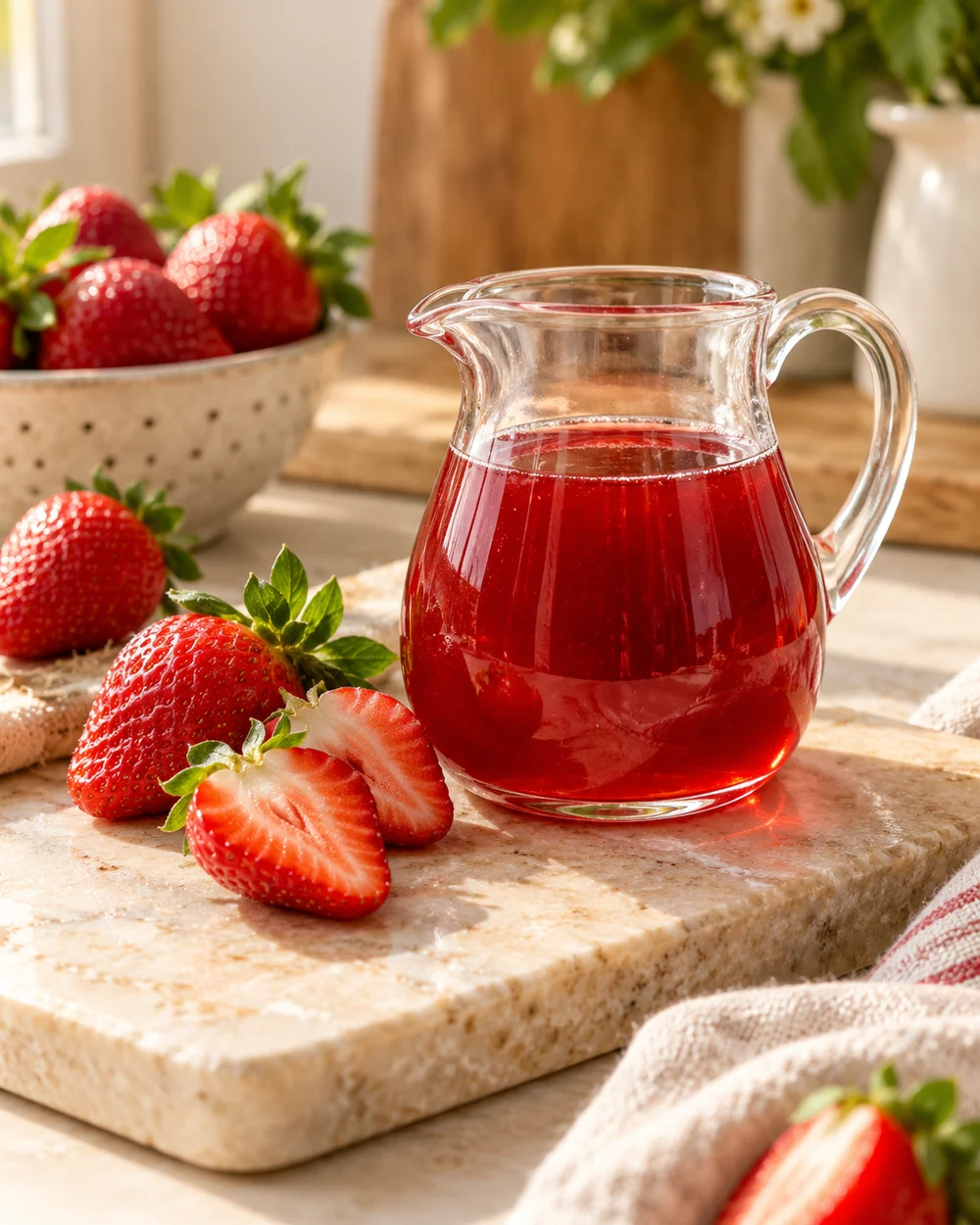
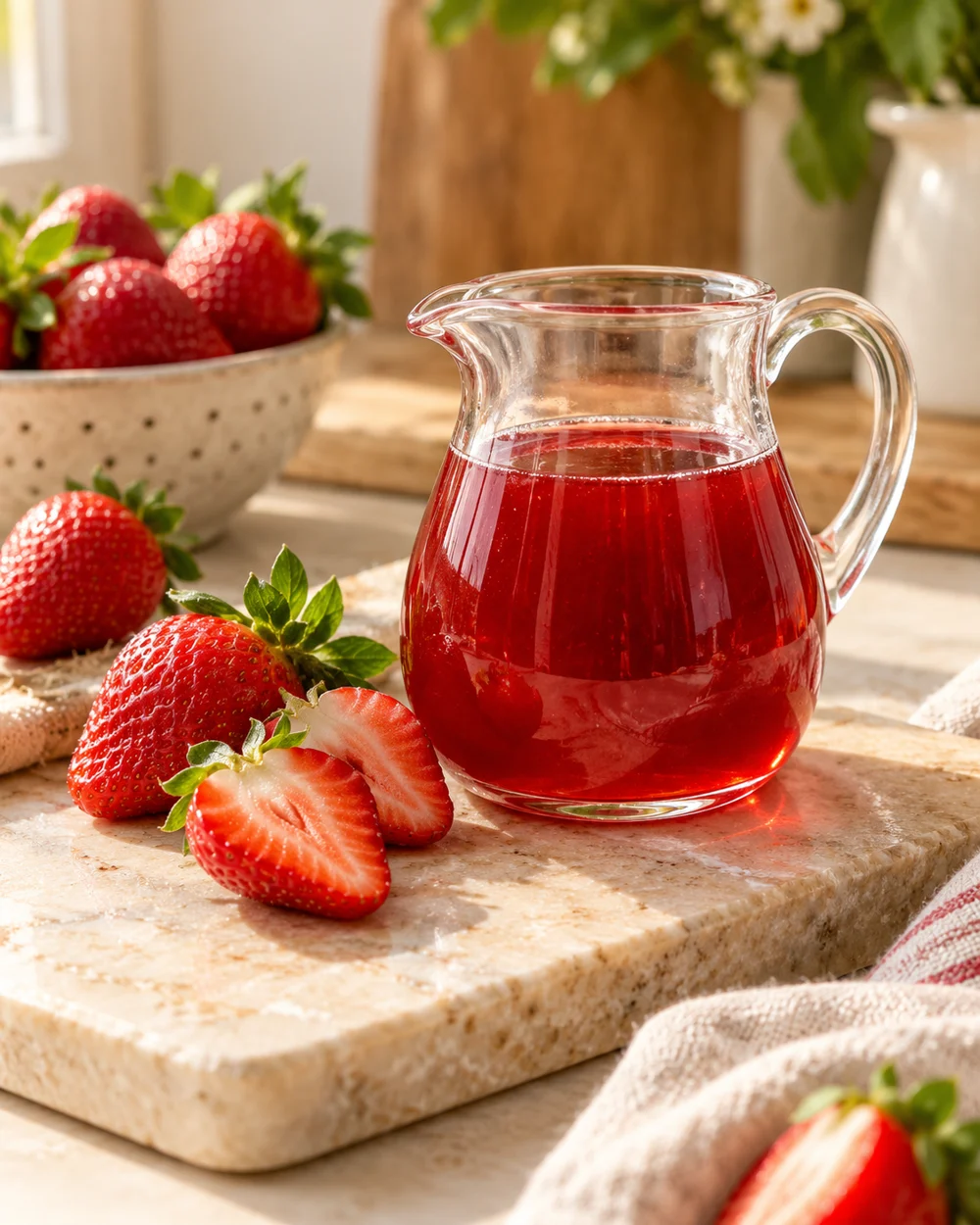
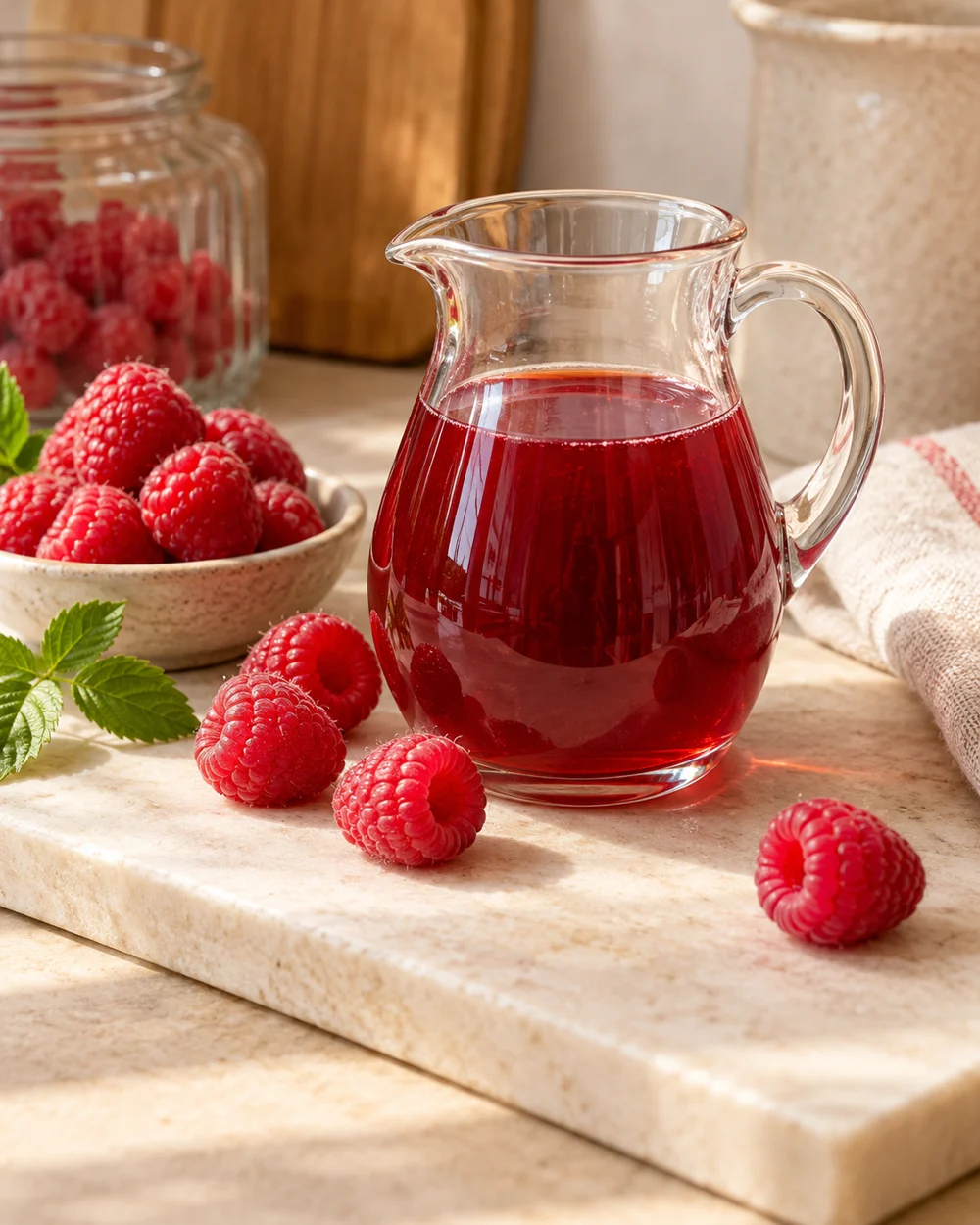
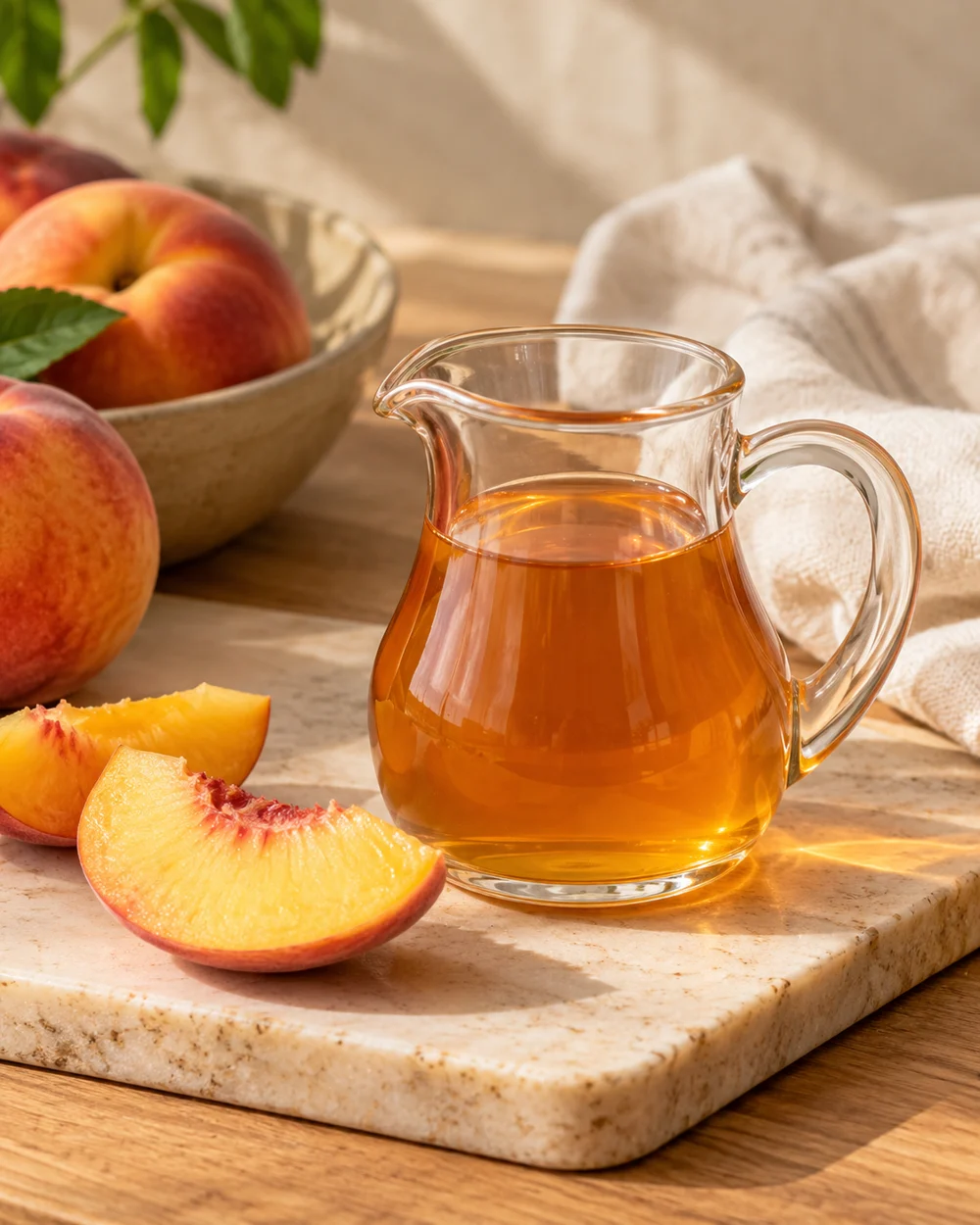
Representative category illustration reused from our editorial library; it does not depict this specific project or a tested result.
Crushing and Surface Area Expansion
Begin with ripe, thoroughly rinsed strawberries, raspberries, or blackberries. Finely dice or crush the fruit with a fork or potato masher in a non-reactive saucepan. Do not blend the berries into a completely aerated liquid; maintaining tiny fruit fragments provides physical structure that supports clean suspension. Crushing releases internal cell juices containing pectin and natural acids, ensuring they heat evenly across the pan surface rather than scorching in isolated pockets during thermal processing.
The Sugar Binding Mechanism
Granulated sugar provides essential viscosity and density to the fruit base. For an illustrative batch of 200 grams of crushed berries, incorporate approximately 40 grams of sugar. As the sugar dissolves, it draws out fruit juices and creates a heavy, coherent syrup. This increased density ensures the finished puree stays settled beneath the milk layer rather than floating upward or releasing loose, watery acid. Stir the sugar thoroughly into the raw pulp and allow it to sit for five minutes until naturally macerated.
Brief Thermal Inactivation
Place the saucepan over medium-low heat and bring the crushed mixture to a gentle, active simmer. Maintain this low simmer for two to three minutes while stirring continuously with a heatproof silicone spatula. This brief cooking period dissolves the sugar completely, softens the fruit pulp, and thickens the syrup without cooking away the fresh fruit aroma or turning the puree into a heavy, caramelized jam.
Rapid Chilling and Food Safety Rules
Pouring a warm fruit puree into cold milk immediately warms the dairy, causing phase separation and microbial risk. Transfer the simmered puree into a shallow ceramic or stainless-steel dish. Let it cool on the counter for no more than fifteen minutes, then transfer it directly to refrigeration maintained at 4°C or below. Ensure the total cooling window from stove to chilled storage does not exceed two hours under typical room conditions, or one hour if ambient temperatures exceed 32°C.
Layering Mechanics with Cold Milk
To assemble the beverage, spoon 45 to 60 grams of the thoroughly chilled puree into the bottom of a serving glass. Add ice cubes carefully to build a physical barrier above the dense fruit base. Pour pasteurized cold whole milk slowly over an inverted spoon against the glass wall. The high density of the sweetened, chilled fruit puree anchors it securely beneath the milk, preserving distinct visual strata and preventing immediate mixing until stirred.
A little more
to know.
Can I omit the sugar entirely and achieve the same physical stability?
Simmering softens the fruit, but omitting sugar leaves the puree too thin and watery. Without the density and body provided by dissolved sugar, the puree will readily leak acidic juices upward into the milk, producing an uneven separation line and curdling along the contact layer.
How long can the prepared puree stay safely in the refrigerator?
Store the cooled puree in a sealed glass container at 4°C or below. Consume it within three to four days, as it lacks the high sugar concentration required for long-term preservation.
Original editorial guidance and recipe formulations, not independently kitchen-tested. Times are estimates and depend on equipment and product directions. Cooked bases need additional cooling and refrigeration before cold serving. Images are AI-generated illustrations; appearance and yield may vary. Check actual ingredient labels, allergens, and any certification you require. We do not certify products. Read our approach.
Save to Pinterest ↗ANOTHER IDEA FOR THE COUNTER