Select Sieve Mesh Density for Fruit Puree Bases
Preparing fruit syrups or concentrated coulis for home cafe beverages requires removing coarse skins, seeds, and stringy vascular bundles without stripping out the natural body. Selecting an appropriate kitchen sieve depends entirely on aperture size. Ultra-fine tea strainers often clog immediately when faced with cooked fruit pectin, forcing prolonged scraping that introduces air bubbles. A standard medium kitchen sieve, approximately 30-mesh with openings near 0.6 millimeters, permits viscous fruit pulp and dissolved solids to flow freely while reliably catching abrasive blackberry drupelets, plum skins, and hard seed fragments.
Read the note ↓
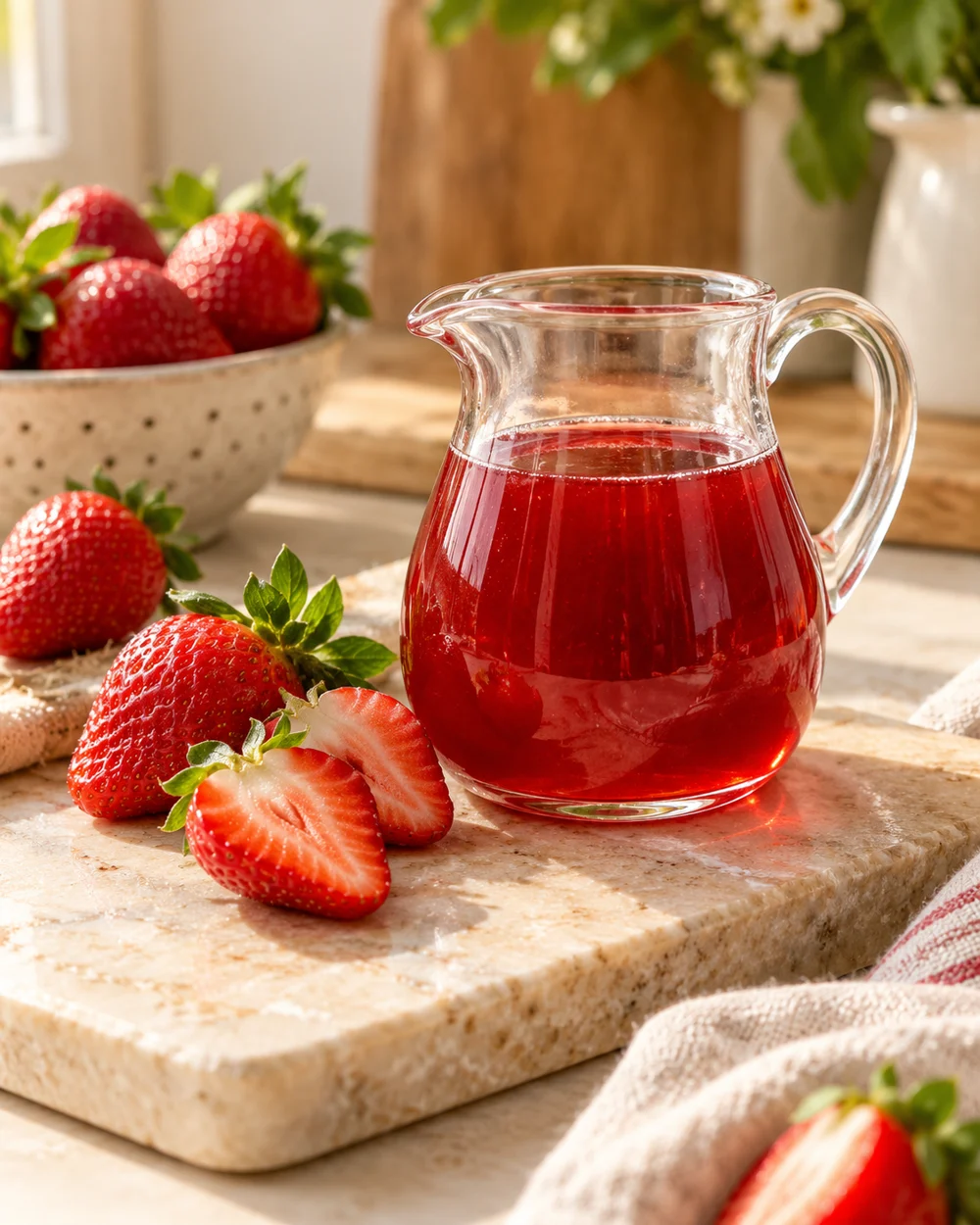
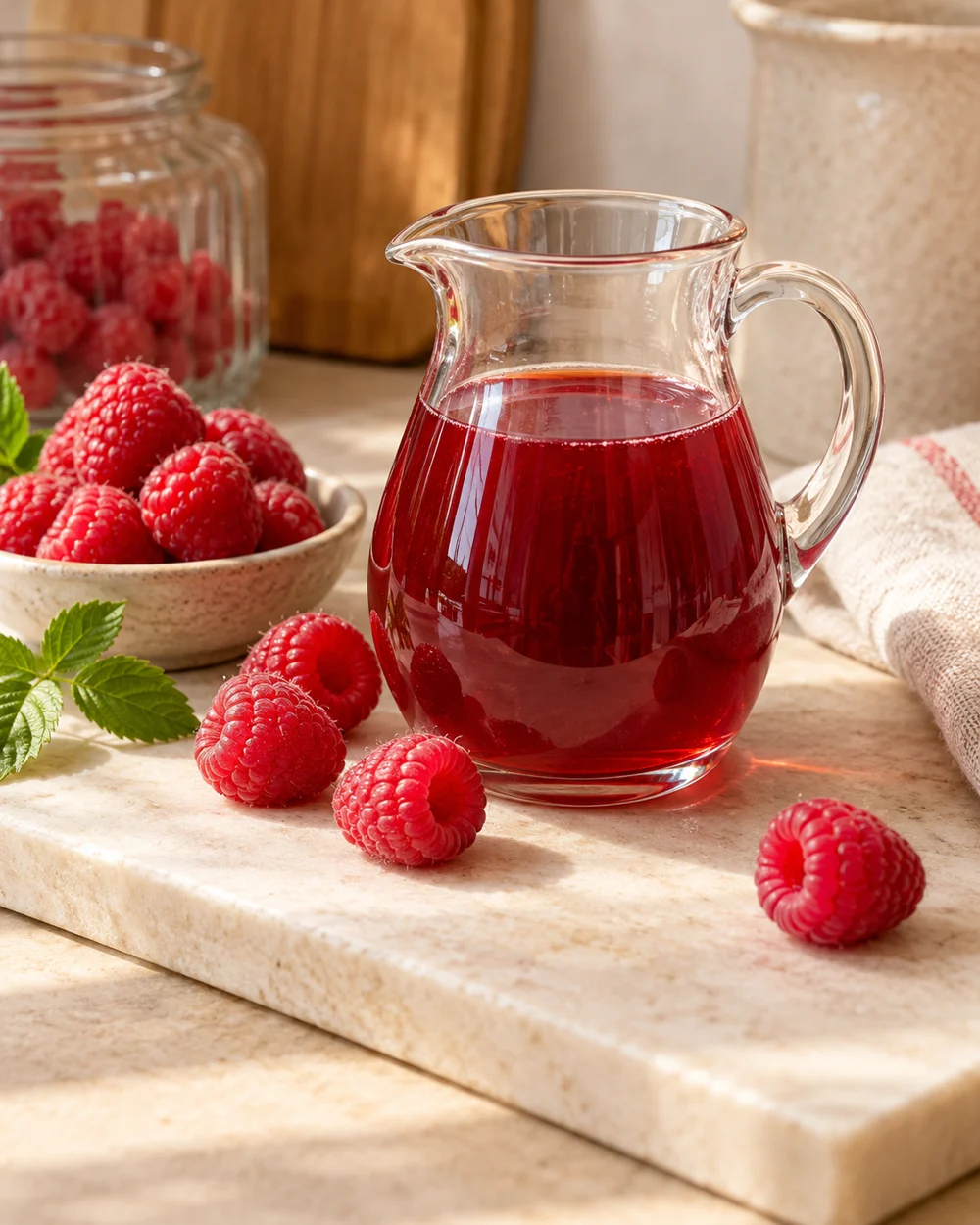
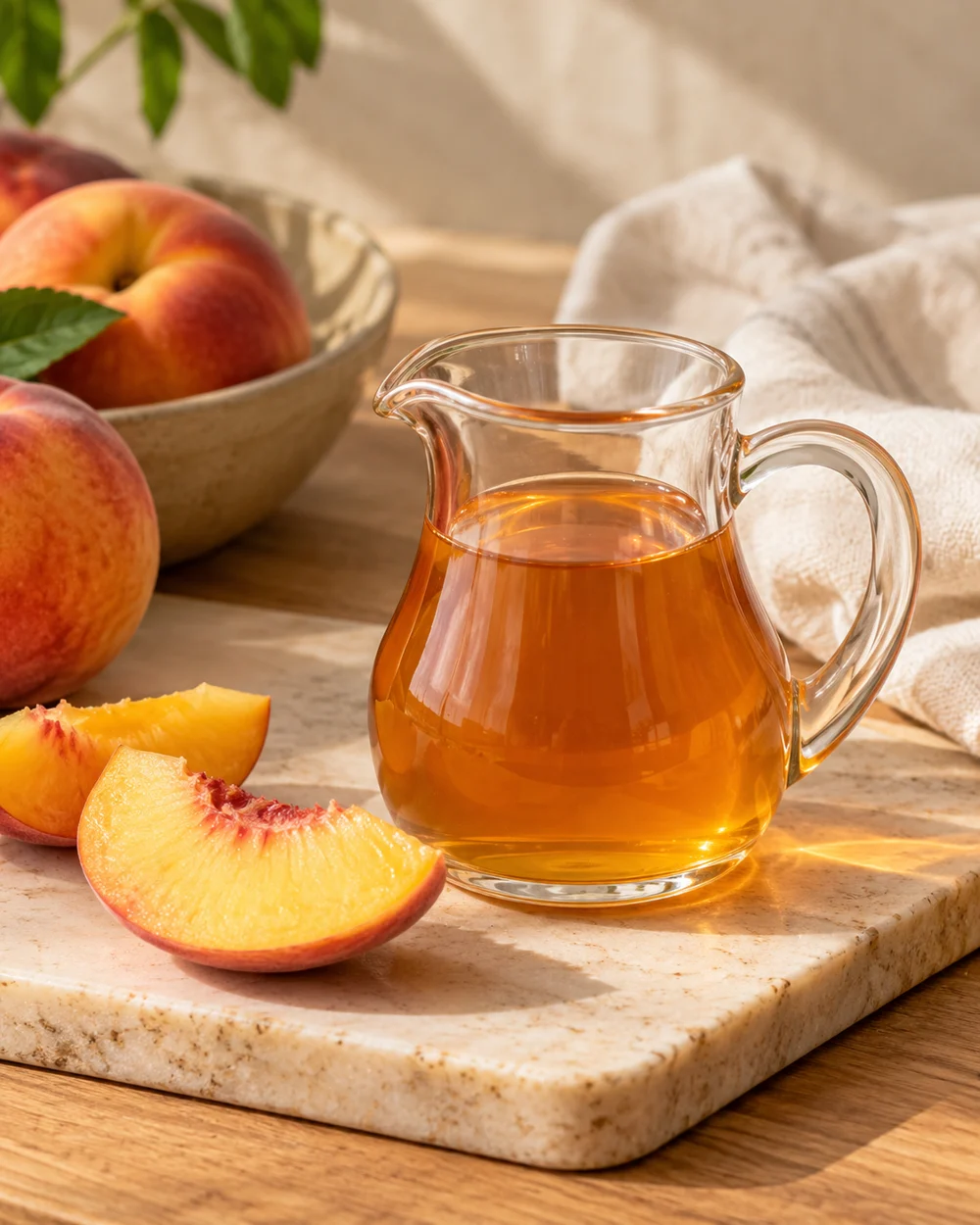
Representative category illustration reused from our editorial library; it does not depict this specific project or a tested result.
Understanding Mesh Density Numbers
Sieve ratings indicate wires per linear inch. An ultra-fine tea mesh features 60 to 80 wires per inch, leaving gaps smaller than 0.25 millimeters. These narrow apertures catch micro-sediment in steeped infusions, but fruit pulp quickly forms an impermeable mat across the surface. A 30-mesh kitchen strainer provides roughly 0.5 to 0.6 millimeter openings. This spacing allows fruit tissue crushed by gentle heat to pass into the syrup bowl below, retaining the velvet weight needed for mixed drinks while halting hard debris.
Preparing the Cooked Fruit Base
Cook stone fruits or aggregate berries with water and sugar until the cell structures collapse before straining. For an illustrative batch of 400 grams of sliced black plums simmered with 100 milliliters of water and 150 grams of sugar, cook for eight to ten minutes until completely soft. Attempting to sieve raw or firm fruit results in poor yields and excessive manual force. Allow the mixture to settle slightly off the heat so thermal steam does not impede visibility during the pour.
Technique for Pressing Through 30-Mesh
Position the 30-mesh stainless strainer securely over a heatproof glass bowl. Pour the warm plum or berry mixture into the center rather than the edges. Use the curved underside of a silicone ladle or broad flexible spatula to sweep the pulp across the wire weave in gentle circular motions. Avoid pounding or grinding hard seeds directly against the wire cloth, as this fractures seed coats into fine grit that falls through the mesh into your finished preparation.
Scraping the Sieve Underside
A substantial portion of smooth pectin-rich fruit solids adheres to the exterior base of the wire basket during filtration. As you process the cooked fruit, lift the strainer periodically and draw a clean spatula across the outer underside to drop the collected puree into the receiving vessel. Neglecting this step leaves the thickest, most flavorful element of the syrup trapped outside the batch, resulting in a thin liquid that lacks sufficient structural body when blended into drinks.
Cooling and Prompt Refrigeration
Transfer the strained puree syrup into a clean, airtight container immediately after pressing. Perishable fruit bases must be cooled quickly to prevent spoilage. Move the closed container into a refrigerator maintained at 4C or colder within two hours of cooking. If your kitchen ambient temperature exceeds 32C during warm months, place the container into the refrigerator within one hour. Keep the puree chilled continuously and consume it within five days for optimal aroma and clean flavor.
A little more
to know.
Can I use cheesecloth over a coarse colander instead of a 30-mesh sieve?
Cheesecloth absorbs significant volume and tends to retain valuable fruit solids within its cotton weave. Woven wire stainless steel provides consistent structural resistance, letting you press the fruit puree evenly without fabric lint or liquid retention.
What should I do if the fruit syrup stops dripping mid-strain?
Clear the interior screen surface by sweeping built-up seed clusters toward one side with your spatula. This exposes open mesh sections below, allowing remaining warm, viscous syrup to continue draining without requiring water dilution.
Original editorial guidance and recipe formulations, not independently kitchen-tested. Times are estimates and depend on equipment and product directions. Cooked bases need additional cooling and refrigeration before cold serving. Images are AI-generated illustrations; appearance and yield may vary. Check actual ingredient labels, allergens, and any certification you require. We do not certify products. Read our approach.
Save to Pinterest ↗ANOTHER IDEA FOR THE COUNTER