Prevent Thermal Stalling in Ceramic Pour-Over Cones
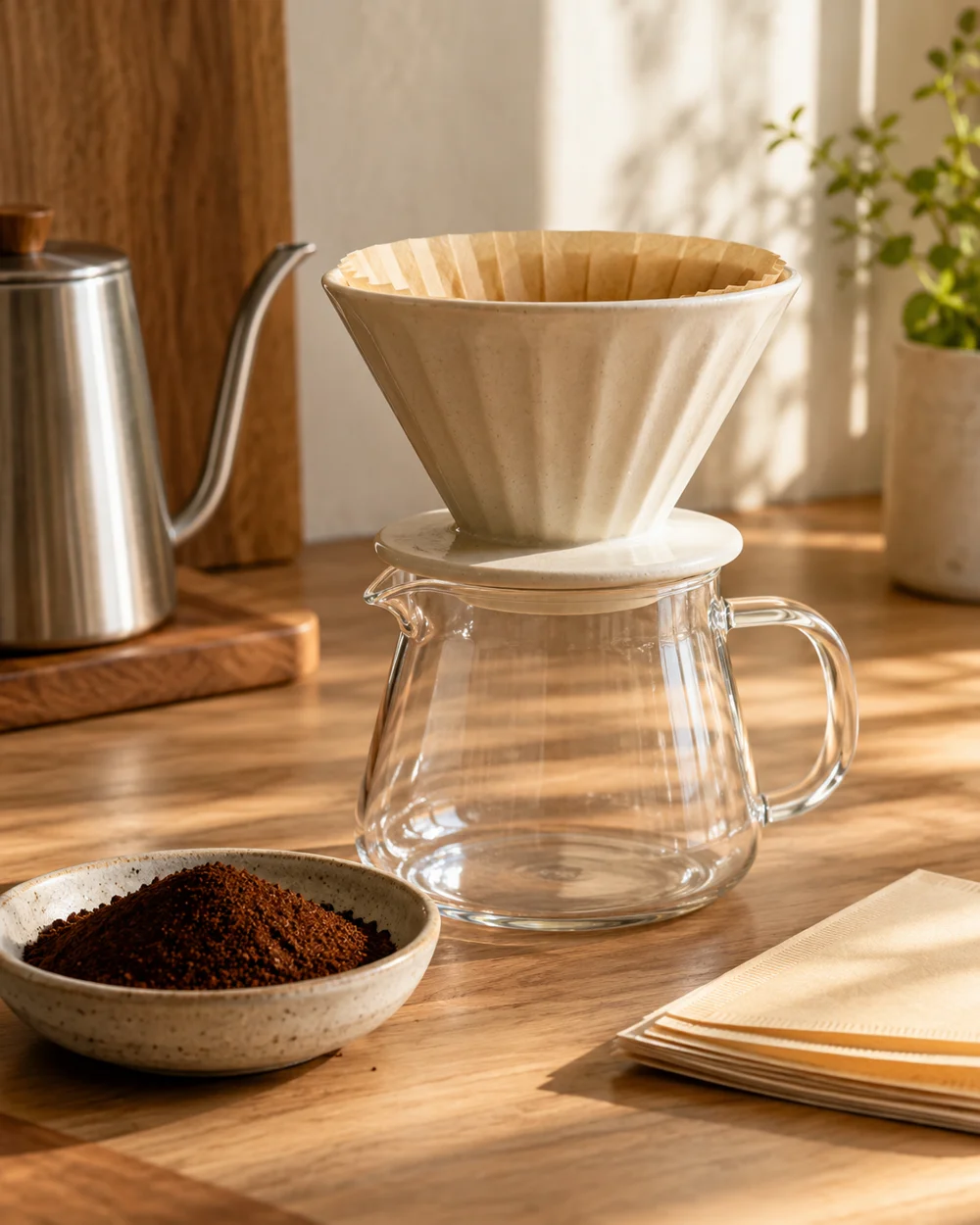
Heavy ceramic pour-over cones possess significant thermal mass, which can severely diminish water temperature during manual coffee extraction. When hot brewing water strikes cold ceramic walls, heat transfers instantly into the ceramic body rather than sustaining the coffee bed temperature. This rapid thermal drop lowers extraction yield, leading to sour, flat flavors in the finished cup. By implementing a systematic preheating routine using boiling water prior to final filter placement, the dripper retains necessary heat, stabilizing slurry temperatures throughout the entire pour sequence.
Read the note ↓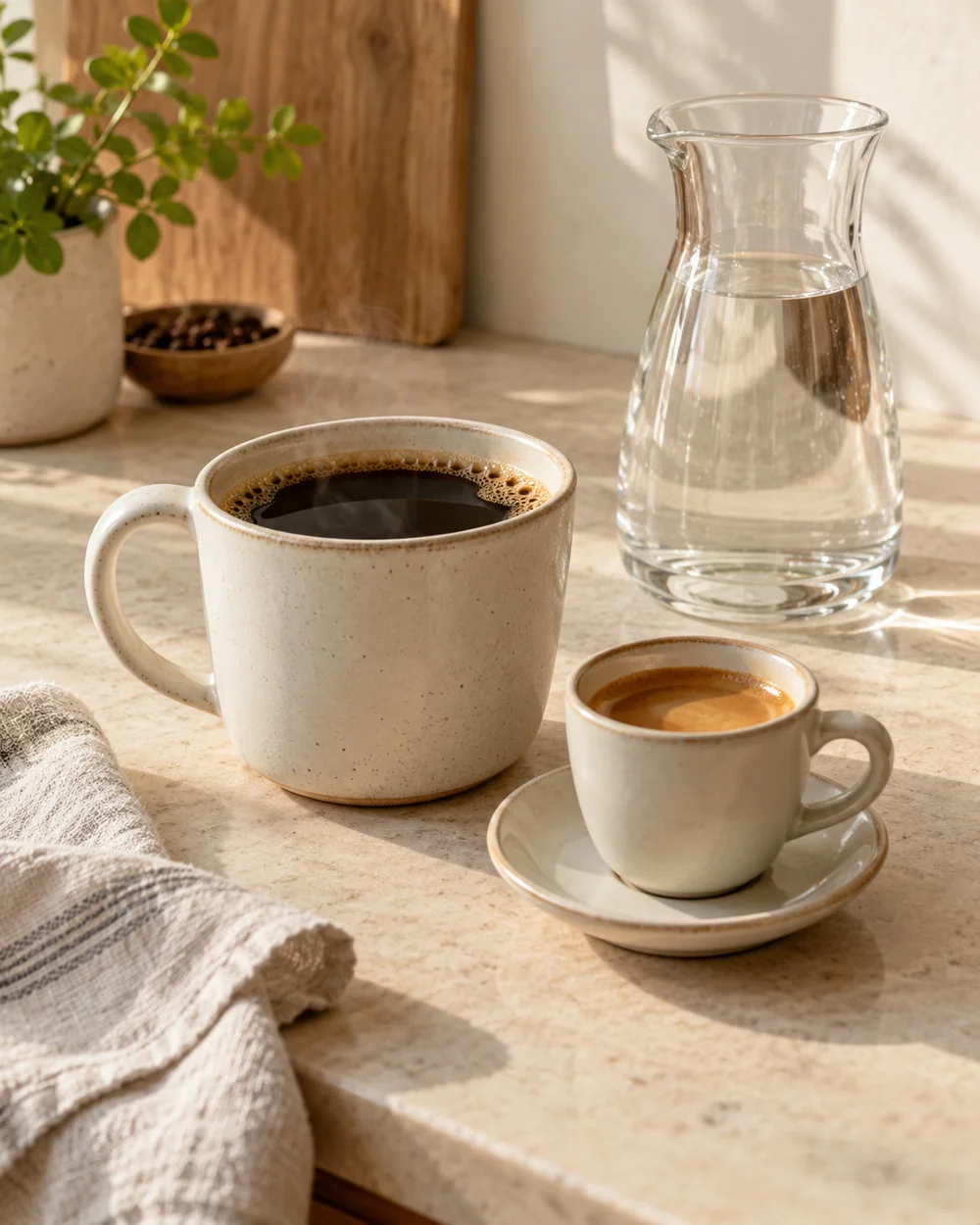
Representative category illustration reused from our editorial library; it does not depict this specific project or a tested result.
The Impact of Ceramic Thermal Mass
Thick porcelain and glazed ceramic retain heat well once warm, but cold ceramic draws thermal energy away from brewing water immediately upon contact. Introducing hot water into an unheated ceramic cone causes an abrupt temperature drop in the slurry during the critical early stages of brewing. This rapid loss of heat slows extraction rates, which often leads to sour, underdeveloped flavors in the finished cup regardless of grind adjustments.
The Preheating Water Volume
A quick splash from the kettle is insufficient to warm dense ceramic walls. Pouring roughly three hundred milliliters of freshly boiled water through an empty dripper provides far more thorough warming than a brief rinse. Direct the hot stream in slow spirals along the upper internal rim, giving the heat sufficient dwell time to penetrate through to the outer ceramic walls.
Decoupling Filter Rinsing from Preheating
Perform the heavy thermal preheat before seating the paper filter. Flushing large volumes of hot water through an empty cone allows you to heat the ceramic thoroughly without repeatedly flooding or misaligning the paper. Once the bare ceramic is thoroughly warmed and the carafe is emptied, insert the paper filter and rinse it lightly to seat the paper and wash away residual paper taste.
Managing Carafe Thermal Load
The hot water used to preheat the ceramic cone drains directly into the glass serving carafe beneath. Allow this hot liquid to sit inside the carafe while weighing and grinding the coffee beans. This simultaneously brings the serving vessel up to temperature. Empty the carafe completely right before starting the bloom pour, ensuring hot coffee drops into an insulated, temperature-matched environment.
Timing the Coffee Bed Loading
Work deliberately once the preheat water is discarded. An empty, heated ceramic cone exposed to cool room air begins losing heat immediately. Introduce the paper filter, apply a minimal rinse with forty milliliters of hot water, discard the rinse, deposit the ground coffee, and commence the bloom within sixty seconds. This sequence locks in the thermal gains achieved during the initial preheating routine.
A little more
to know.
Does preheating plastic pour-over cones require this same water volume?
No. Plastic has much lower thermal conductivity and density than ceramic, so it absorbs very little heat from the water. A quick ten-second paper rinse provides sufficient thermal preparation for plastic drippers.
Can I preheat the ceramic dripper by resting it atop the boiling kettle?
No. Never balance a ceramic cone over the open neck of a boiling kettle. Electric kettles are designed to operate with lids securely in place to maintain balance, ensure proper automatic shutoff function, and prevent scalding steam from escaping. Always preheat the ceramic cone by pouring water from the kettle spout into the brewer while it sits securely on a carafe or brew stand.
Original editorial guidance and recipe formulations, not independently kitchen-tested. Times are estimates and depend on equipment and product directions. Cooked bases need additional cooling and refrigeration before cold serving. Images are AI-generated illustrations; appearance and yield may vary. Check actual ingredient labels, allergens, and any certification you require. We do not certify products. Read our approach.
Save to Pinterest ↗ANOTHER IDEA FOR THE COUNTER