Prevent Ice Melt Dilution in Pitcher Serving Routines
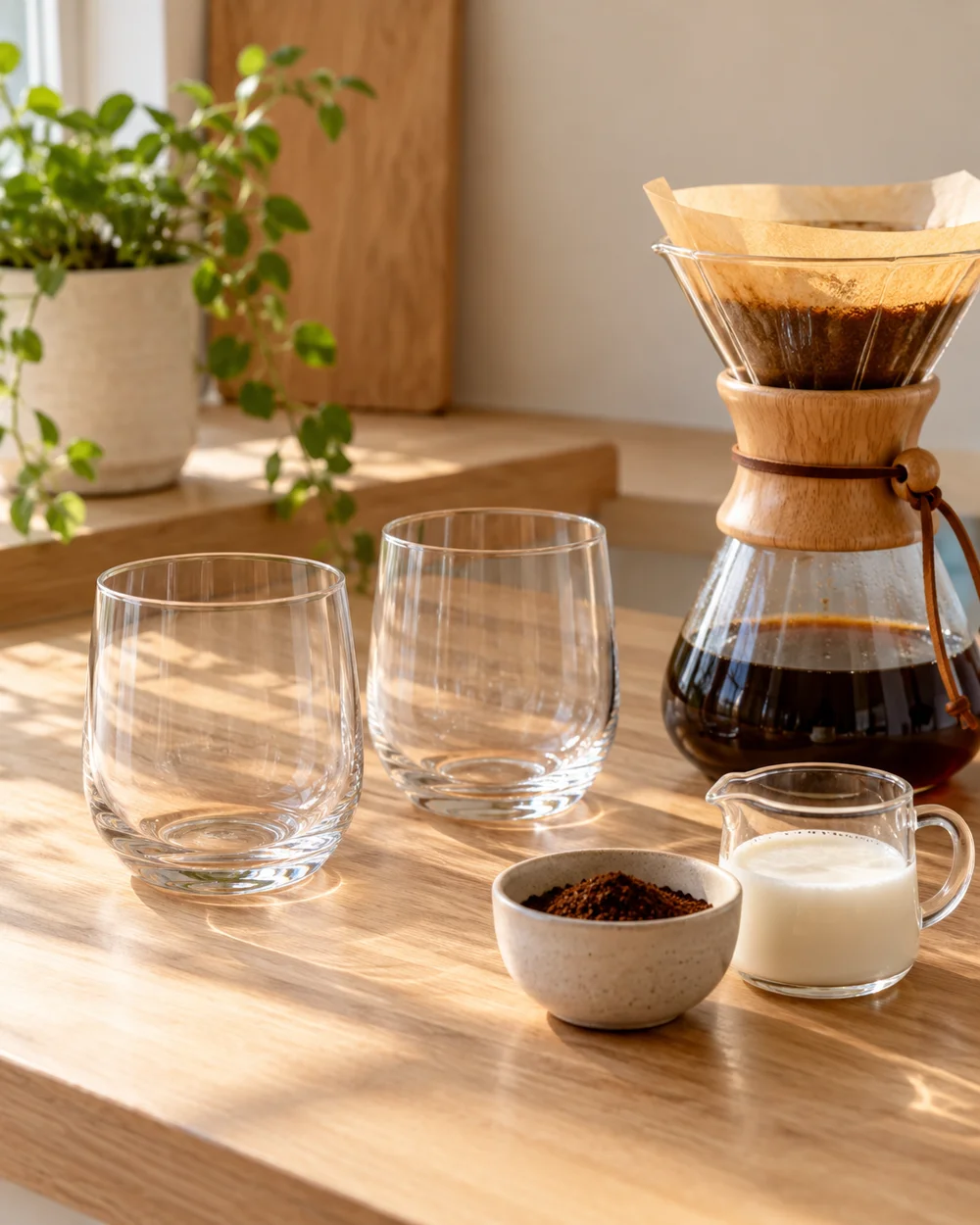
Serving cold-brewed coffee, steeped iced tea, or fruit infusions from a large pitcher often leads to watery drinks when ice cubes sit directly inside the main serving vessel. Ambient room heat rapidly melts ice suspended in a large volume of liquid, lowering the concentration before the second round of pours begins. Shifting the ice entirely out of the central carafe preserves original flavor balance across an entire gathering. By preparing individual service tumblers with fresh ice at the table, host setups remain consistent, controlled, and resilient against diluted beverages.
Read the note ↓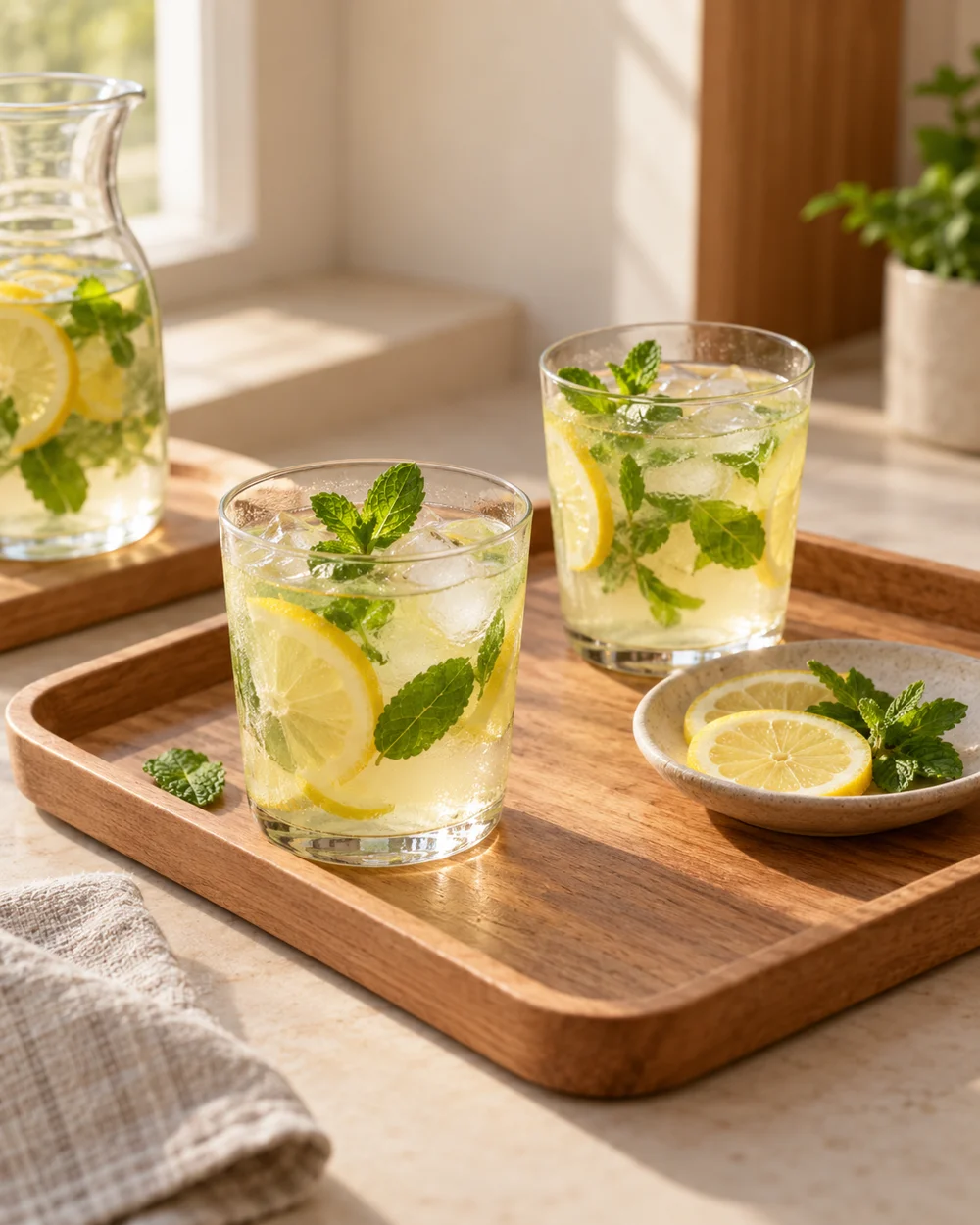
Representative category illustration reused from our editorial library; it does not depict this specific project or a tested result.
The Dilution Problem in Large Vessels
When ice cubes rest within a communal pitcher, the thermal mass of surrounding room-temperature air continuously melts the exposed top layers. A full liter of cold tea can absorb substantial meltwater in fifteen minutes, permanently thinning the brew ratio. Subsequent pours become progressively paler and less aromatic than the initial pour. Confining the beverage base strictly to a pre-chilled, ice-free carafe isolates the liquid from premature melt, keeping the total dissolved solids uniform from the first pour to the final drop.
Pre-Chilling the Main Pitcher Base
Maximize beverage stability by cooling the liquid and the vessel together beforehand. Transfer freshly prepared, room-temperature infusions into the refrigerator at 4C or below, allowing heat to drop thoroughly within two hours. If working immediately before guests arrive, rinse a glass or stainless carafe with ice water for sixty seconds, discard the water, and pour the chilled infusion inside. Starting with an ice-cold container minimizes internal convective currents, ensuring the beverage stays brisk without introducing unmeasured melted volume.
Glass Preparation at the Table
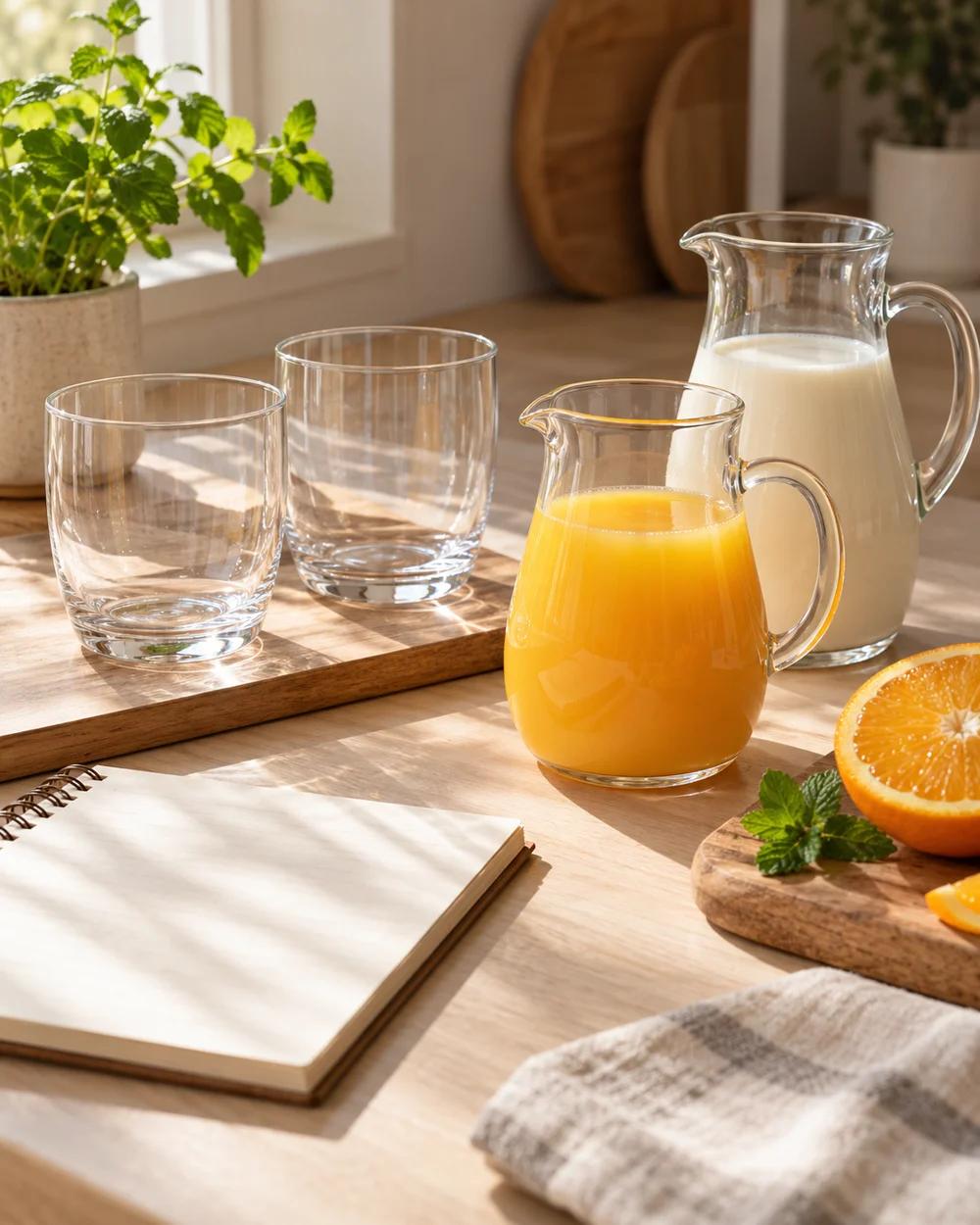
Place clean drinking tumblers directly at the table setting and load each with fresh, dense ice cubes just before pouring. Using two or three large, solid cubes per glass exposes less surface area relative to their volume compared to chipped pieces, slowing down rapid melt. The beverage experiences sudden cooling upon entry into the glass, delivering immediate refreshment while limiting dilution strictly to the individual serving rather than compromising the entire reservoir waiting in the service pitcher.
Worked Workflow for One Liter of Tea
As an illustrative example, prepare 1000 ml of steeped tea chilled to 4C in a clean glass pitcher without ice. Place four 350 ml tumblers on the table, adding 60 g of solid ice cubes to each glass. Because 60 g of ice displaces approximately 65 ml of liquid, pouring 200 ml of tea over the ice creates a total volume of roughly 265 ml, leaving 85 ml of safe headspace below the rim. The four glasses consume 800 ml, leaving 200 ml in the pitcher for refills without dilution.
Handling Leftover Beverage Safely
Because the pitcher remains free of melting ice, any surplus base beverage retains its planned strength and density. If the liquid contains pasteurized dairy, fresh plant milk, or sliced citrus, avoid prolonged exposure to warm air. Always return the unserved carafe to refrigeration at 4C or below within two hours of leaving the refrigerator, or within one hour if the room temperature exceeds 32C, preventing quality loss while maintaining culinary food safety.
A little more
to know.
Can I use frozen fruit pieces inside the main pitcher instead of ice?
Frozen fruit alters the primary infusion flavor as it thaws and releases juice. Keep the pitcher plain and add single pieces of frozen fruit directly to guest glasses to maintain steady carafe flavor.
How do I prevent exterior sweating on an uninsulated glass carafe?
Wrap the lower section of the chilled carafe with a clean folded cloth napkin. This absorbs condensation runoff and provides a secure, non-slip grip during multiple pours throughout the gathering.
Original editorial guidance and recipe formulations, not independently kitchen-tested. Times are estimates and depend on equipment and product directions. Cooked bases need additional cooling and refrigeration before cold serving. Images are AI-generated illustrations; appearance and yield may vary. Check actual ingredient labels, allergens, and any certification you require. We do not certify products. Read our approach.
Save to Pinterest ↗ANOTHER IDEA FOR THE COUNTER