Prevent High-Fat Milk Scorching on Small Electric Stovetops
Solid electric burners hold significant heat and cycle on and off, creating concentrated hot spots that can scorch milk. High-fat dairy contains proteins and milk fat that can settle and stick to hot metal if left unmonitored. Once milk solids stick to the pan base, they can burn quickly and affect the flavor of warm pantry drinks. Using a heavy-bottomed pan, low heat settings, and steady stirring helps heat the milk evenly while reducing the risk of scorching.
Read the note ↓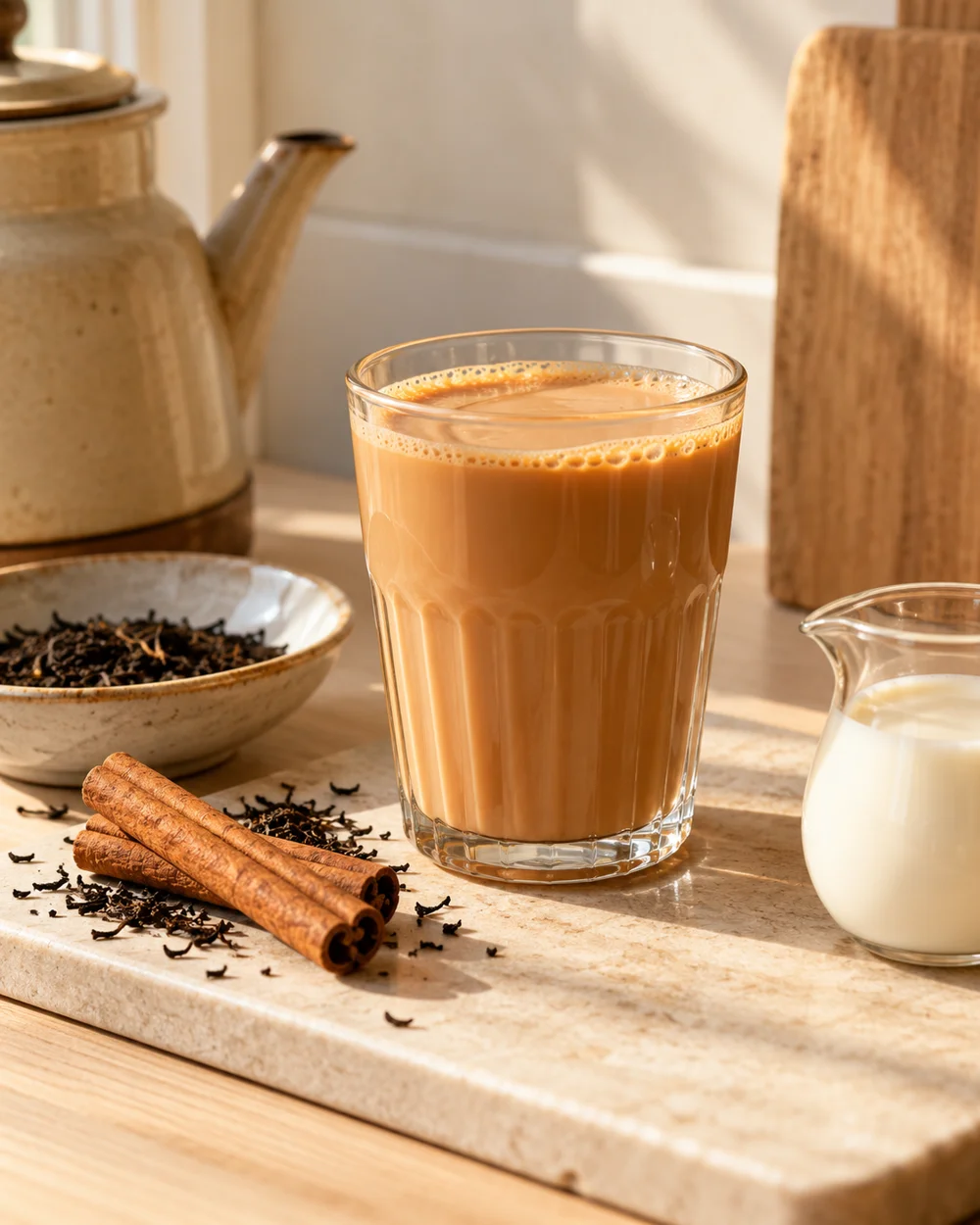
Representative category illustration reused from our editorial library; it does not depict this specific project or a tested result.
Thermal Properties Of Heavy Cookware
Thin-bottomed saucepans transfer the heat of an electric burner directly to isolated areas of the pan, creating concentrated hot spots. A heavy stainless steel pan with an encapsulated aluminum core distributes heat more evenly across the base. This thicker base helps buffer against temperature spikes as the electric burner element cycles on and off, protecting the milk from localized overheating.
Setting Measured Heat Inputs
Avoid preheating an electric burner on high when warming milk. Set the dial to low or medium-low, allowing the burner element and pan to warm up gradually together. Heating too quickly causes the bottom of the pan to get too hot before the liquid can distribute the heat. While gentle heating takes a few minutes longer, it gives you greater control and helps prevent milk solids from catching and sticking to the bottom.
Paddle Motion And Base Contact
Use a broad, flat-edged wooden spatula or heat-resistant silicone scraper rather than a wire whisk. Whisks tend to aerate the top surface without making full contact with the bottom of the pan. Move the flat edge of the tool in smooth, overlapping strokes across the floor and corners of the saucepan. This continuous scraping motion keeps milk solids moving and prevents them from settling against hot metal where scorching begins.
Temperature Boundaries And Signs
Watch the saucepan closely as steam begins to rise. For warm milk drinks, milk is typically ready when small bubbles form around the rim of the pan and the liquid feels hot to the touch, generally below a simmer. Excessive heating can cause cooked off-flavors and form a thick surface skin. Remove the pan from the burner slightly before your desired warmth, as the retained heat in a heavy pan will continue to warm the milk briefly after taking it off the stove.
Worked Single-Cup Protocol
As an illustrative example, pour 240 milliliters of cold pasteurized whole milk into a 14-centimeter heavy stainless saucepan. Place over a small electric element set to one-third total dial power. Stir continuously along the pan floor with a flat wooden paddle for roughly five minutes. When the surface registers 63C on an instant-read probe, immediately transfer the milk into a pre-warmed ceramic mug. Promptly refrigerate any remaining unused dairy at 4C or below within two hours.
A little more
to know.
What causes the rubbery skin to form on top of heated milk?
The skin forms as water evaporates from the surface of hot milk, leaving behind proteins and fats that dry into a thin layer. Keeping the heat moderate, stirring regularly, and not letting the milk boil helps minimize skin formation.
How can a scorched pan base be cleaned without scratching the metal?
Avoid abrasive scouring pads that can scratch stainless steel. Soak the cooled pan in warm water with a few drops of dish soap to soften any stuck residue, then gently loosen the softened film with a wooden spatula or non-scratch sponge before washing normally.
Original editorial guidance and recipe formulations, not independently kitchen-tested. Times are estimates and depend on equipment and product directions. Cooked bases need additional cooling and refrigeration before cold serving. Images are AI-generated illustrations; appearance and yield may vary. Check actual ingredient labels, allergens, and any certification you require. We do not certify products. Read our approach.
Save to Pinterest ↗ANOTHER IDEA FOR THE COUNTER