Prevent Astringency When Brewing Green Tea for Iced Service
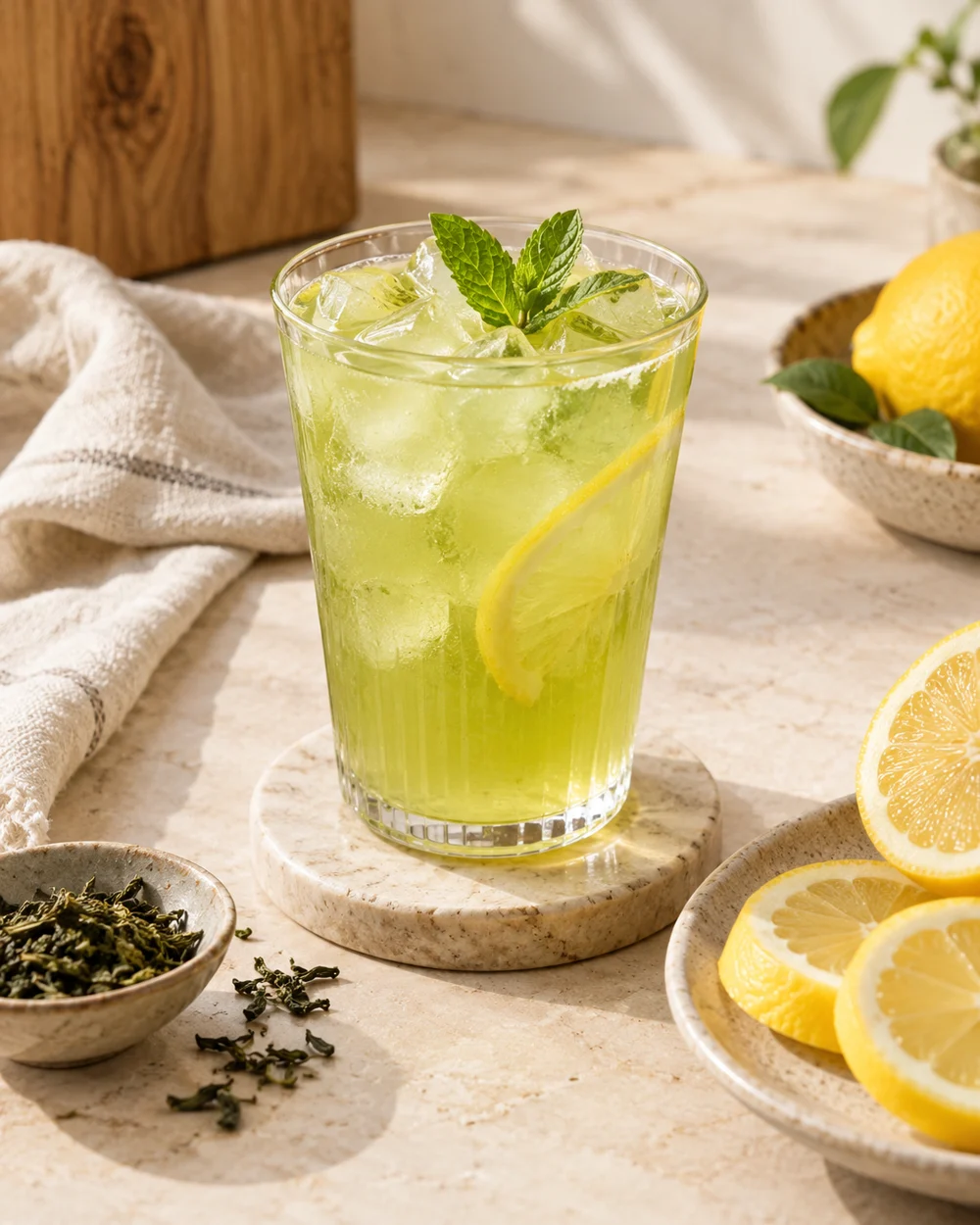
Chilled green tea easily turns unpleasantly dry on the tongue when brewed with standard hot-water practices. When leaves encounter near-boiling water, bitter catechins extract rapidly, leaving a harsh film once poured over ice. Managing extraction requires lowering initial water temperature and accounting for dilution right in the serving vessel. By brewing a concentrated base at precisely controlled heat and pouring immediately over measured ice cubes, you lock in vegetal sweetness and fresh aroma while arresting extraction before astringent compounds dominate the glass.
Read the note ↓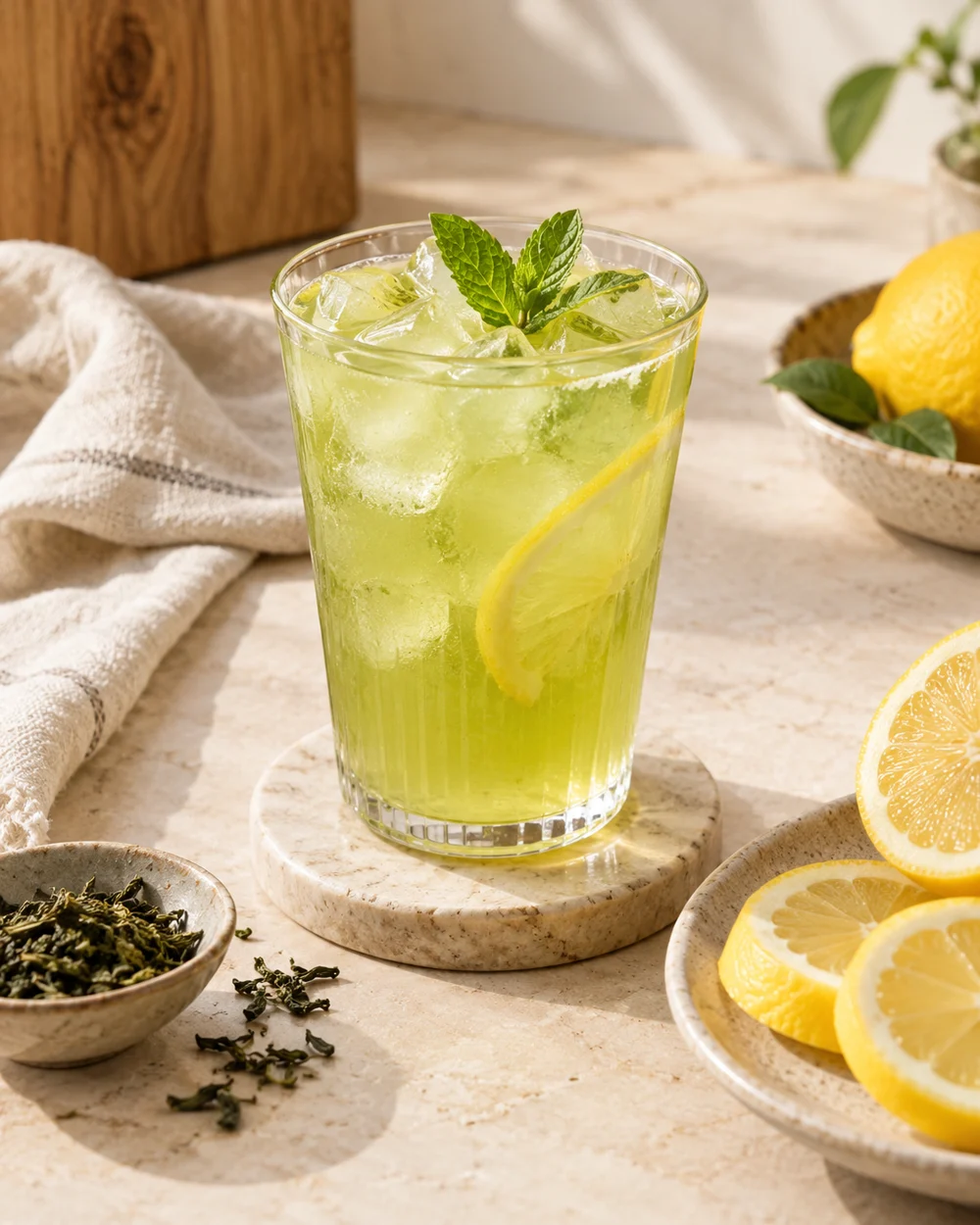
Representative category illustration reused from our editorial library; it does not depict this specific project or a tested result.
Temperature Thresholds and Leaf Ratios
Higher water temperatures accelerate the extraction of astringent polyphenols and tannins from green tea. For iced service, heating filtered water to roughly 70C to 75C helps draw out aromatic sweetness while keeping bitter compounds in check. Use 5 grams of loose leaf green tea brewed in 150 milliliters of hot water as a concentrated base. Because ice melts as it rapidly cools the hot liquid, brewing at half the usual water volume creates an intensely flavored base that withstands dilution without needing extended steeping times.
Timed Infusion Workflow
Steep the leaves in a dedicated brewing vessel for two minutes without stirring. Agitating the brewing basket or swirling the water washes fine leaf particles into the liquor and accelerates extraction, which can introduce unwanted bitterness. Keeping the steeping water calm throughout the infusion encourages a clean, bright cup. Start your timer as soon as the warm water covers the leaves, and prepare to strain promptly once two minutes have elapsed so the concentrated liquor does not steep too long.
Measuring Ice Displacement
Place 180 to 200 grams of clean ice cubes directly into a heat-tolerant glass server or pitcher before the tea finishes steeping. Fresh freezer ice used straight from the tray works well. Weighing the ice helps you maintain consistent dilution and chilling. When the warm concentrate contacts the ice mass, it cools almost immediately while melting roughly 110 to 120 grams of ice, leaving the remaining ice cubes intact to keep the resulting beverage chilled without turning it watery.
The Rapid Decant Technique
Pour the hot concentrate off the leaves through a fine stainless steel mesh strainer straight over the weighed ice. Empty the brewing vessel completely within ten seconds to stop heat exposure on remaining leaves. The rapid drop in temperature halts hot-water extraction immediately, preserving fresh grassy aromatics and preventing lingering warmth from pulling heavier astringent tannins. Avoid leaving damp leaves trapped in warm steam if preparing consecutive infusions.
Illustrative Volume Calculation
As an illustrative planning example, combine 5 grams of sencha with 150 milliliters of water at 75C. After a 120-second steep, strain the liquid over 200 grams of ice cubes. The warm concentrate melts roughly 115 grams of ice during chilling, yielding approximately 250 milliliters of chilled liquid tea while leaving around 85 grams of ice intact in the glass. This example outlines typical dilution behavior, though initial cube temperature, glass thickness, and ambient room heat will naturally create minor variations in the final liquid volume.
A little more
to know.
Can cold brewing replace this hot-concentrate method entirely?
Cold brewing in refrigerated water for eight hours yields sweet tea with minimal bitterness, but it extracts fewer crisp aromatic top notes. The rapid hot-concentrate method suits immediate service while preserving delicate fragrance alongside balanced astringency.
How should leftover brewed iced green tea be stored?
Strain out all remaining ice so the liquid does not dilute further. Store the tea in an airtight glass bottle inside a refrigerator held at 4C or below, and consume it within twenty-four hours to avoid flavor oxidation.
Original editorial guidance and recipe formulations, not independently kitchen-tested. Times are estimates and depend on equipment and product directions. Cooked bases need additional cooling and refrigeration before cold serving. Images are AI-generated illustrations; appearance and yield may vary. Check actual ingredient labels, allergens, and any certification you require. We do not certify products. Read our approach.
Save to Pinterest ↗ANOTHER IDEA FOR THE COUNTER