Plan a Brunch Drinks Table: What to Batch and What to Make to Order
Hosting six people for brunch while making every drink individually leaves you stuck at the counter and away from the table. The fix is sorting your menu before guests arrive: some drinks hold well in a pitcher or insulated pot, others genuinely need to be made fresh. Knowing which is which lets you set up most of the table in advance and limit made-to-order work to one or two drinks that actually benefit from it.
Read the note ↓
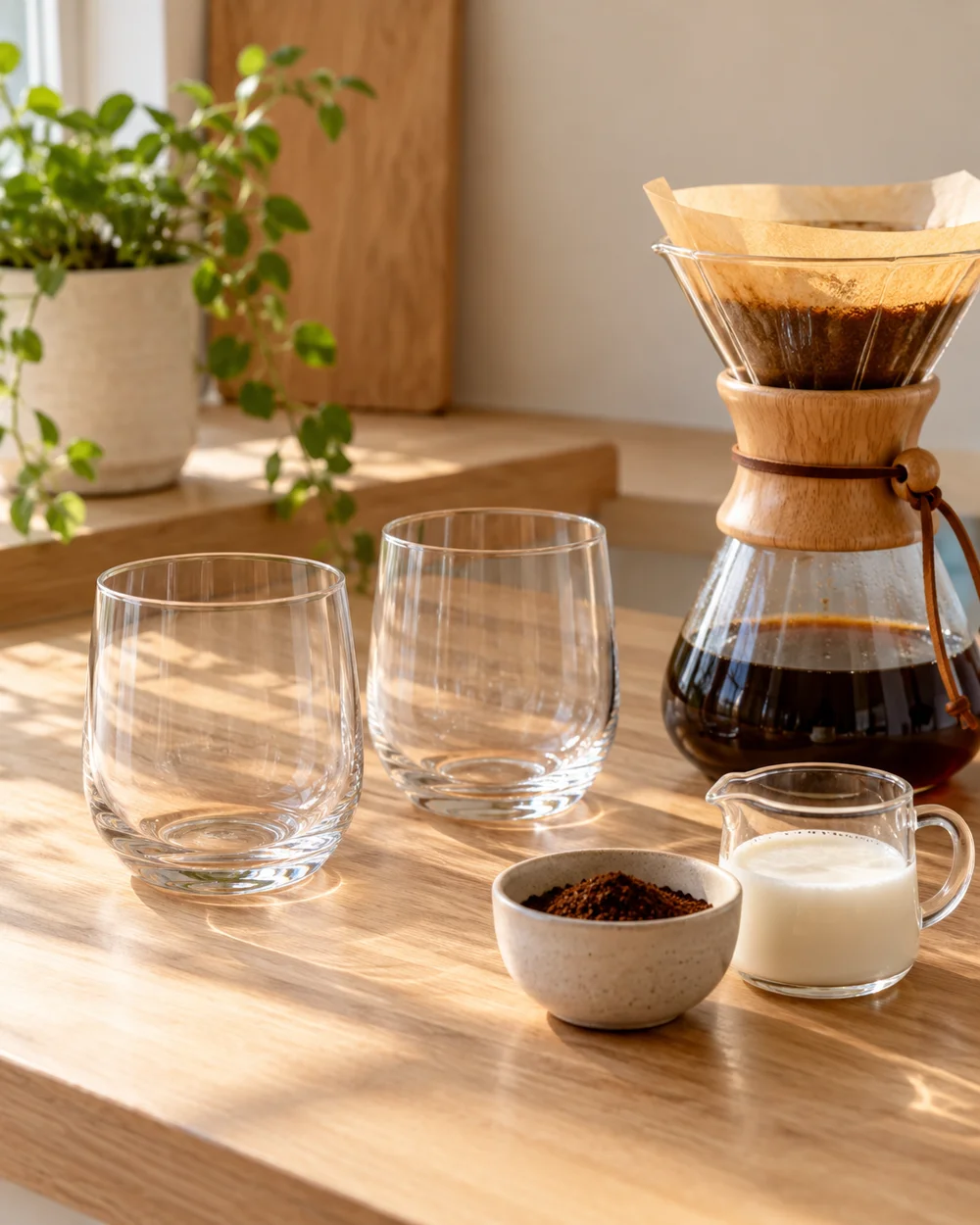
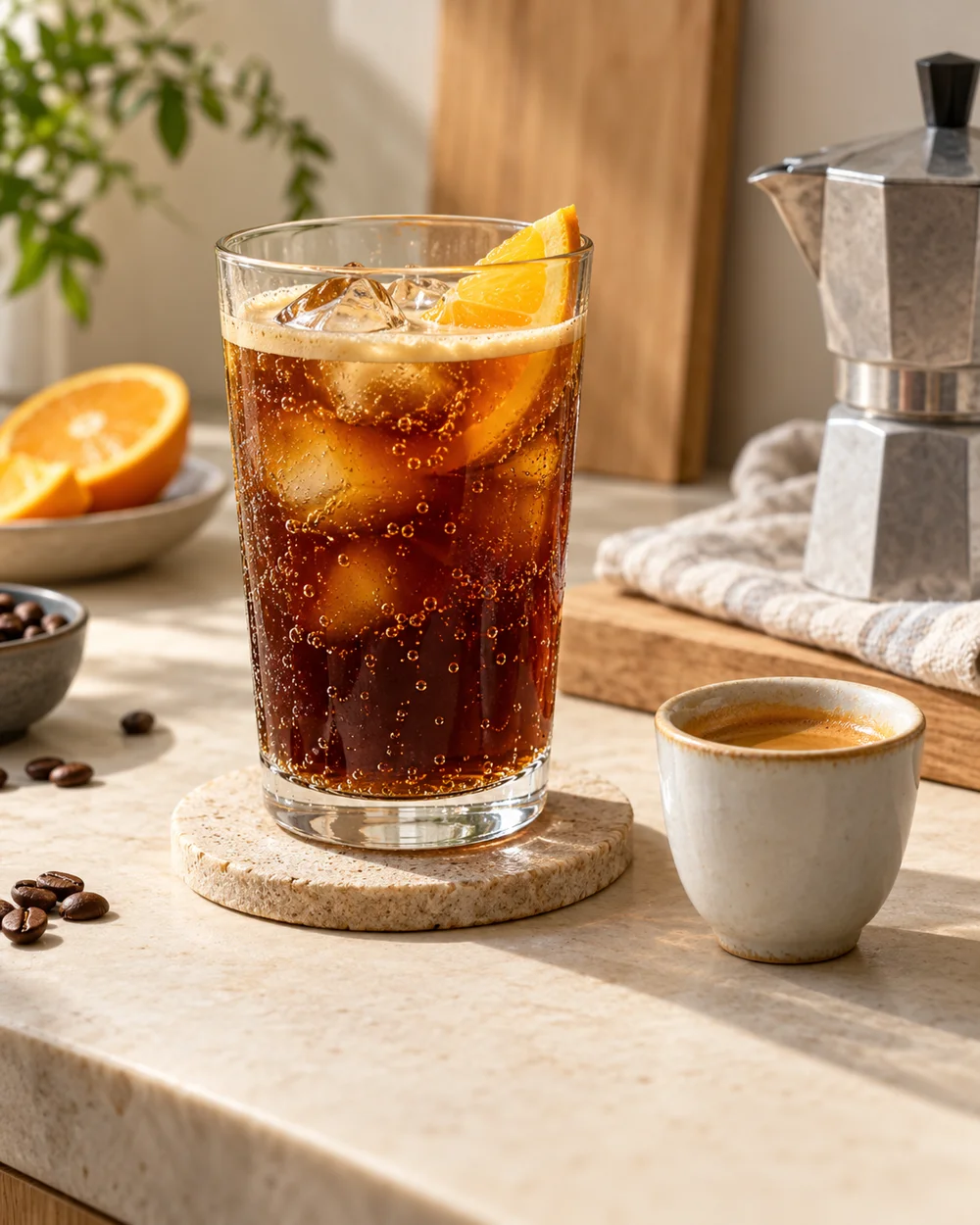
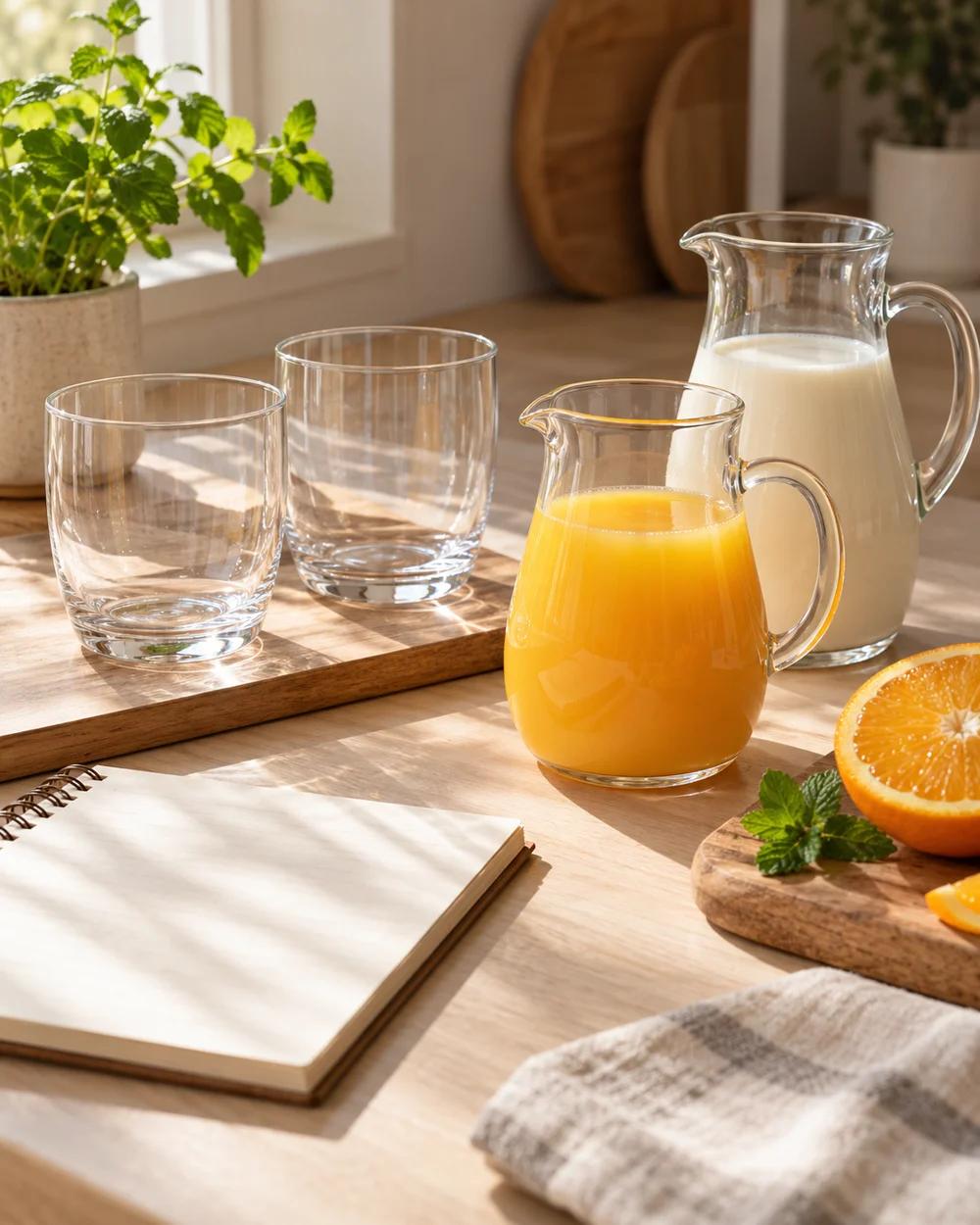
AI-generated editorial concept created for this article. The image is not a technical diagram or a tested result.
Decide Which Drinks Can Be Batched
A drink suits batching when its quality does not drop sharply over thirty to sixty minutes and when it contains no fresh dairy that must be held at temperature. Chilled black tea brewed in advance and kept in a lidded pitcher in the fridge works well. A full pot of filter coffee in an insulated carafe holds acceptably for about forty-five minutes before flavour flattens noticeably. Milk-based drinks, freshly squeezed juice and anything with whipped cream do not batch well and belong in the made-to-order column.
Set the Fridge Space Before Guests Arrive
Clear one shelf specifically for brunch drinks the evening before. A two-litre pitcher of cold tea, a small jug of cold milk and any pre-portioned fruit juice need to sit at 4 degrees Celsius or below until they go to the table. Do not rely on a crowded fridge door for this; a middle shelf holds temperature more consistently. Anything containing dairy or fresh juice that has been out for two hours, or one hour if the room is above 32 degrees Celsius, should be discarded rather than returned to the fridge.
Plan the Made-to-Order Station
For a table of six, limit made-to-order drinks to one type. A simple steamed-milk latte is a practical example: you make each cup when requested rather than in advance, because the milk texture and temperature decline within a few minutes. Set out your equipment, a measured scoop of coffee, and cold milk from the fridge so each drink takes under three minutes. Telling guests in advance that the milk drink is made fresh manages expectations and keeps the queue short.
Arrange Ice and Cups Logically
Place the chilled pitcher at one end of the table with cups or glasses beside it so guests can serve themselves without asking. Put the insulated coffee pot at the other end with mugs. Keep the ice bucket between them if you are serving cold drinks over ice, and set out a small pair of tongs rather than a scoop, which is easier to handle at a crowded table. This layout separates the self-serve zone from the counter where you are making the one order-to-order drink.
A Worked Example for Six Guests
One batch of cold-brewed or chilled black tea, roughly 1.5 litres, fills six 250-millilitre glasses with a little left over. One 800-millilitre carafe of filter coffee covers four standard mugs. One made-to-order milk drink per requesting guest completes the menu. This is an illustrative plan, not a guaranteed serving size, since pour sizes vary. The key result is that you leave the counter only once, to make the milk drinks, rather than continuously throughout the meal.
A little more
to know.
Can I batch a cold fruit juice drink the night before?
You can prepare it the evening before and keep it covered at 4 degrees Celsius or below, but fresh juice oxidises and the flavour changes overnight. Taste it before serving and discard if the smell or colour seems off.
What if a guest asks for a drink that is not on my planned menu?
Keep a small backup of hot water in a kettle and a few tea bags so you can handle a simple request without disrupting your setup. Avoid committing to anything that requires equipment you have not already set out.
Original editorial guidance and recipe formulations, not independently kitchen-tested. Times are estimates and depend on equipment and product directions. Cooked bases need additional cooling and refrigeration before cold serving. Images are AI-generated illustrations; appearance and yield may vary. Check actual ingredient labels, allergens, and any certification you require. We do not certify products. Read our approach.
Save to Pinterest ↗ANOTHER IDEA FOR THE COUNTER