Make a Cocoa Slurry Before Adding Espresso
Dropping dry cocoa powder straight onto hot espresso often leaves dry clumps floating on top or stuck to the mug. Cocoa is not guaranteed to dissolve completely in any drink, so the practical goal is dispersing it evenly. Making a small smooth paste first gives the powder time to wet before the rest of the drink arrives. This guide explains the method, the choices that matter, and where to follow your recipe and package directions instead of a fixed formula.
Read the note ↓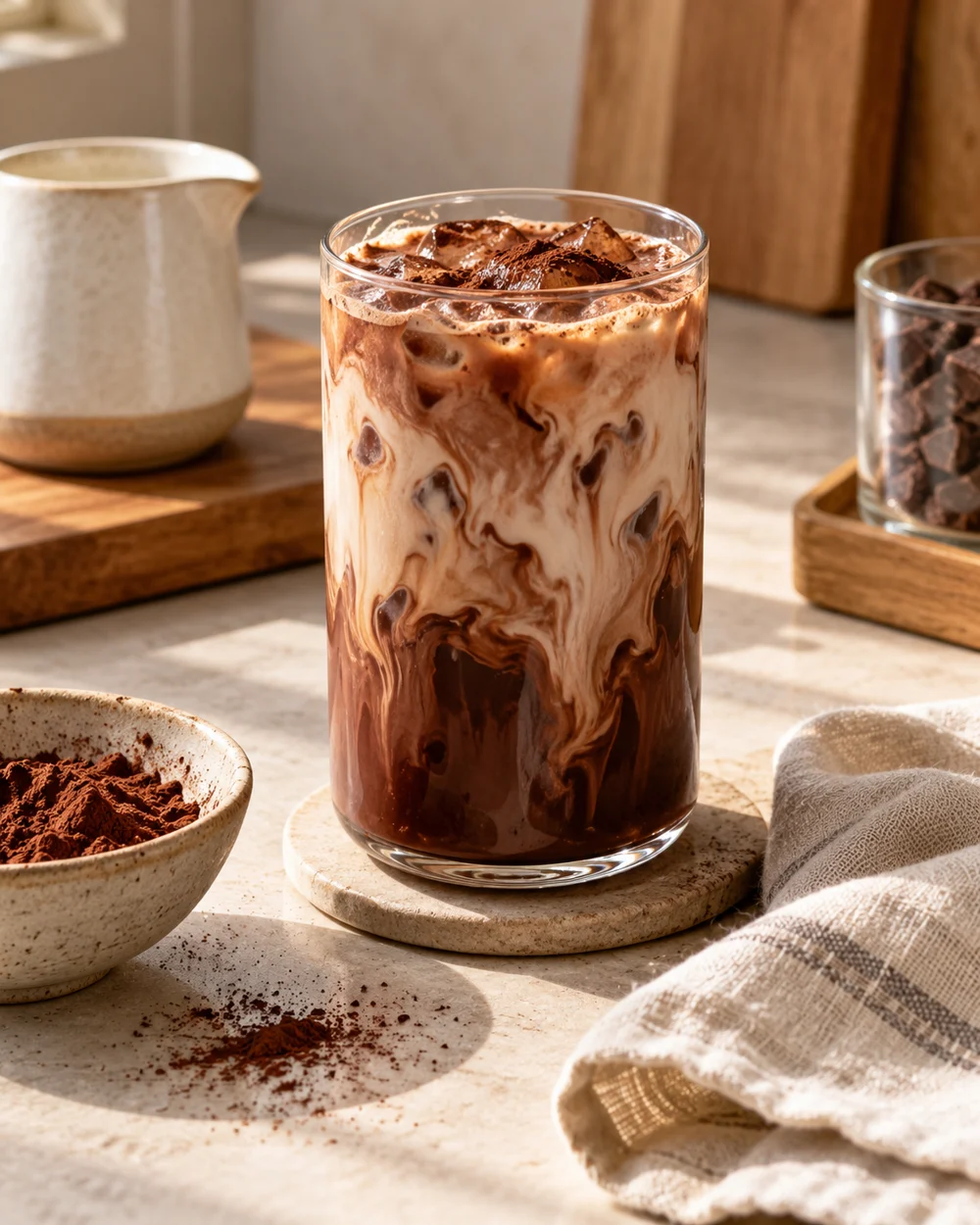
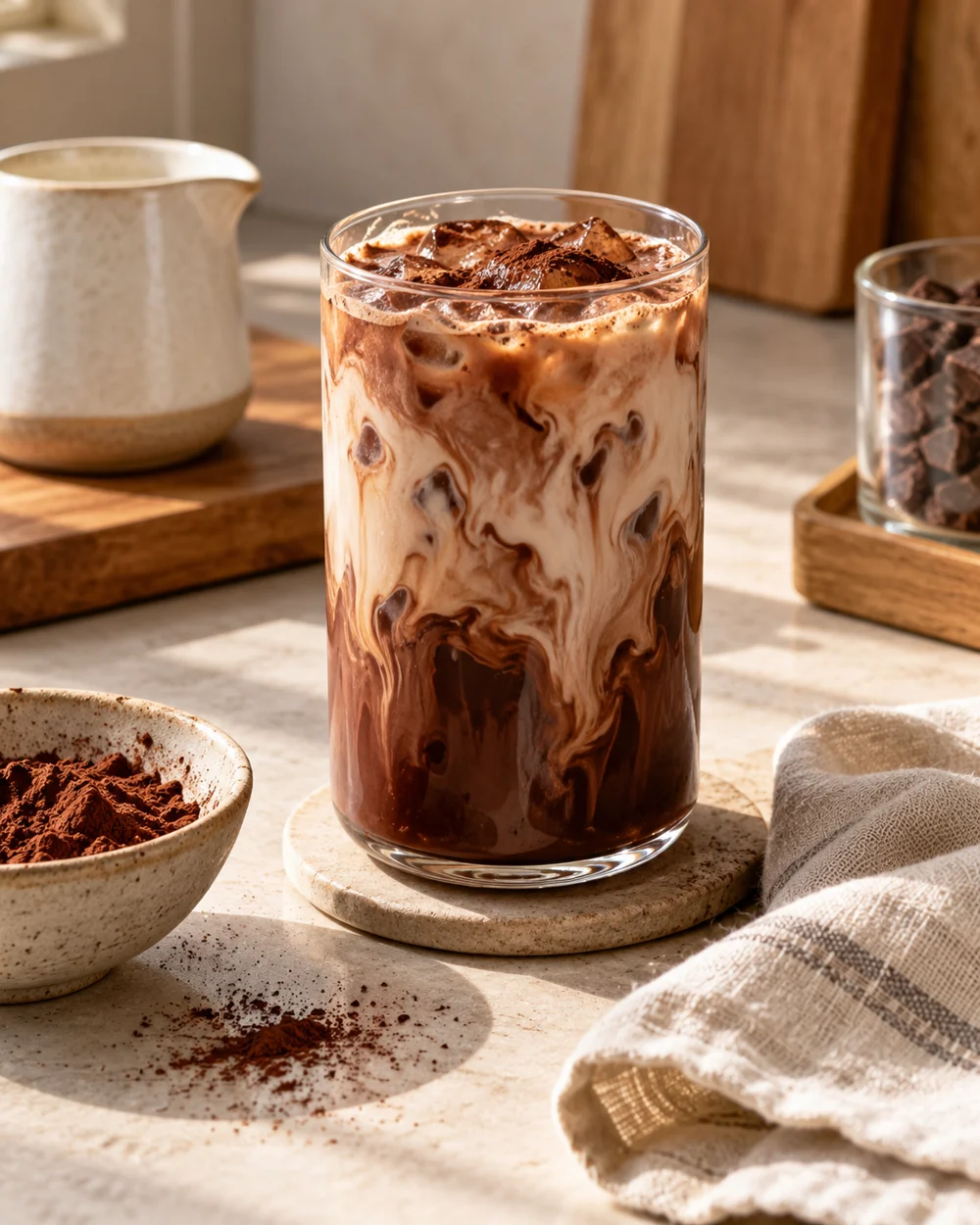
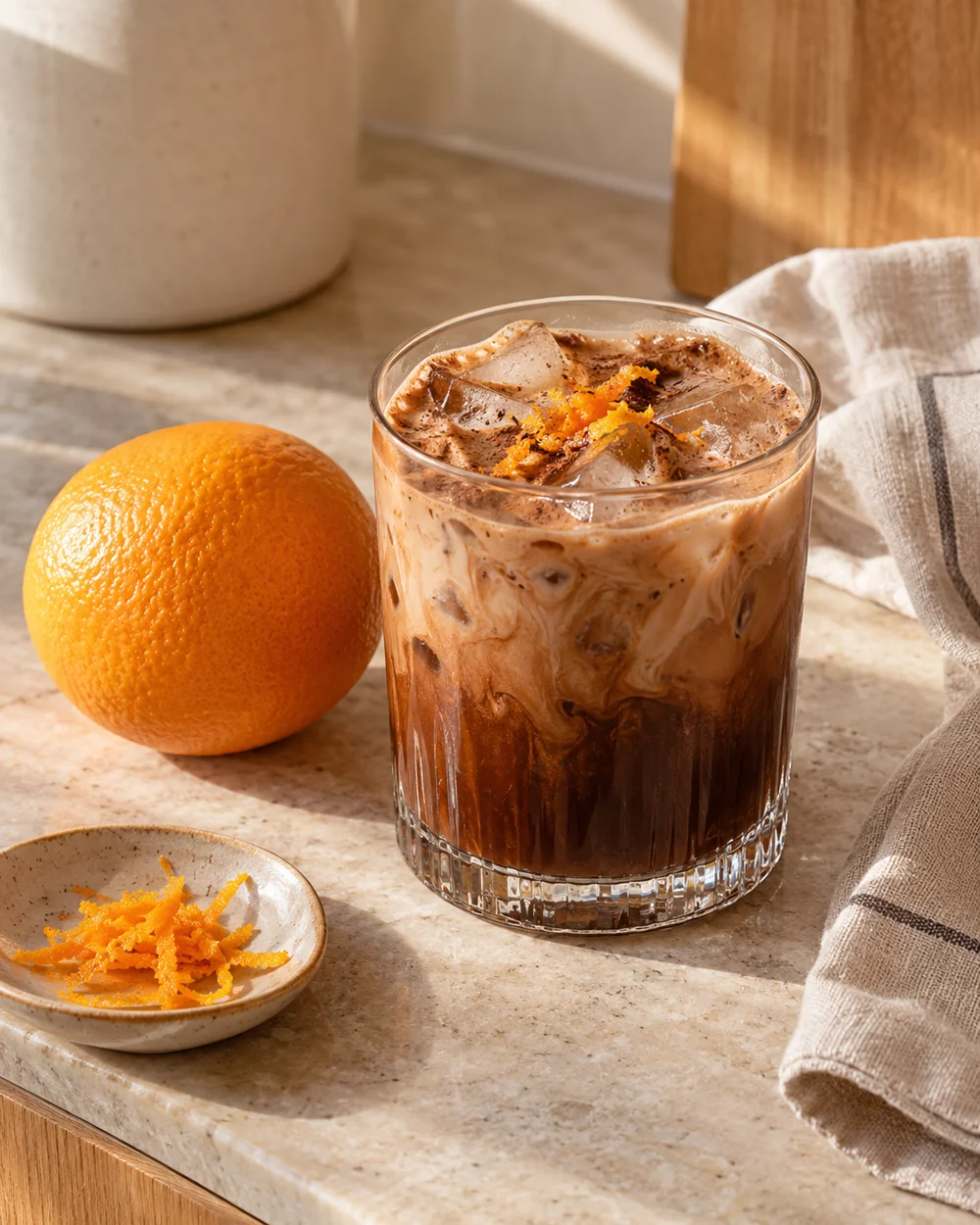
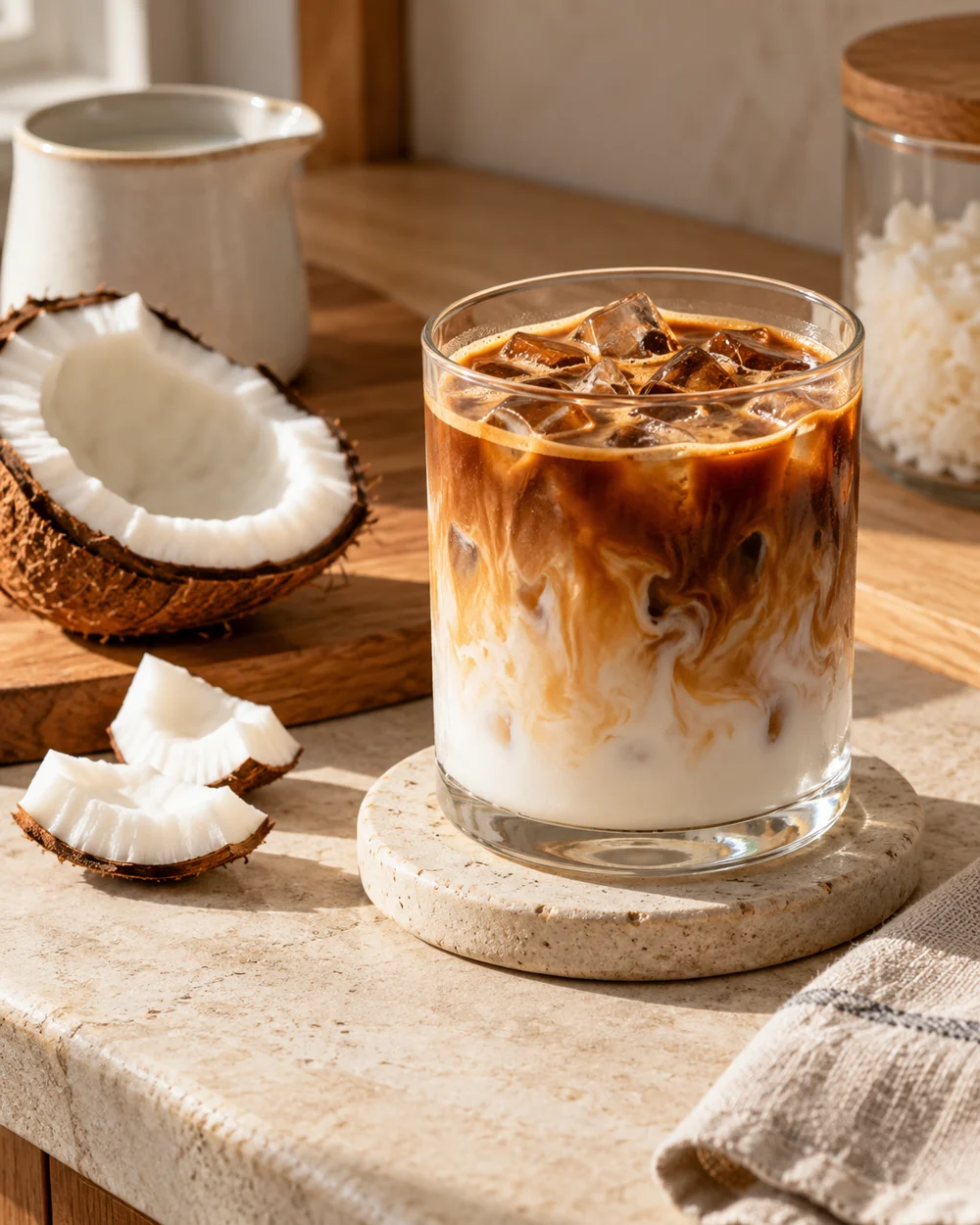
Representative category illustration reused from our editorial library; it does not depict this specific project or a tested result.
Dispersing Is Not Dissolving
Cocoa powder is made of fine particles, and many of them stay suspended or settle rather than disappearing into the liquid. For that reason, aim for even dispersion, not complete dissolving. A paste works because the powder is wetted in a small amount of liquid and stirred until no dry pockets remain. Some fine sediment at the bottom of a cup can still happen, and that is not necessarily a mistake. Stir again before drinking if your recipe suggests it.
Choose Ingredients by Their Labels
Start with the product you actually have. Unsweetened cocoa powder, sweetened drinking chocolate, and instant hot cocoa mix are different products, and their labels or recipes may call for different amounts and liquids. Check whether the recipe specifies natural or Dutch-processed cocoa. Use the recipe's sweetener amount, and adjust only if you know the product already contains sugar. If you are unsure, follow the package directions first and make small changes in later cups.
Build the Paste First
Use a clean, heat-safe mug or small bowl made for food contact. Add the cocoa, then pour in only a small amount of the liquid your recipe allows, such as warm water or milk. Take the amounts from your recipe or package directions rather than a fixed ratio. Stir with a spoon or small whisk, pressing lumps against the side of the container until the mixture looks smooth and no dry pockets remain. Add a little more liquid only if the recipe permits.
Add the Espresso Gradually
Prepare the espresso according to your machine maker's manual and your chosen recipe, and follow the manual for handling the hot brewer, portafilter, and cup. Pour the espresso slowly into the paste while stirring, rather than dumping it in all at once. Then add the remaining milk or water called for by the recipe. Taste only after the drink has cooled enough to sip comfortably, and keep stirring if cocoa begins to settle.
Handle Milk, Leftovers, and Cleanup
If your drink includes milk or another perishable ingredient, keep it refrigerated at 4°C/40°F or below until you need it. Refrigerate leftover prepared drinks within two hours, or within one hour if the room is above 32°C/90°F. Do not decide whether something is safe by tasting or smelling it. Wash mugs, spoons, and whisks as their makers direct, because cocoa residue can cling to utensils, and rinse them promptly after use.
A little more
to know.
Will cocoa powder dissolve completely in espresso?
Not reliably. Cocoa powder is better described as dispersed in a drink, and some fine particles may settle. A smooth paste helps wet the powder evenly, but results vary by product, recipe, and stirring, so stir again before sipping.
Can I use hot cocoa mix instead of cocoa powder?
Possibly, if the recipe is written for it. Mixes can include sweetener and other ingredients, so follow the package directions and your recipe. Do not swap one for the other in equal amounts unless the recipe says that is appropriate.
Original editorial guidance and recipe formulations, not independently kitchen-tested. Times are estimates and depend on equipment and product directions. Cooked bases need additional cooling and refrigeration before cold serving. Images are AI-generated illustrations; appearance and yield may vary. Check actual ingredient labels, allergens, and any certification you require. We do not certify products. Read our approach.
Save to Pinterest ↗ANOTHER IDEA FOR THE COUNTER