Dissolve Coarse Dark Sugar into Espresso for Cold Bases
Preparing iced sweetened mochas and cold espresso drinks with raw, unrefined dark sugars often leaves gritty, undissolved crystals at the bottom of the glass. Coarse sugar crystals dissolve slowly in cold milk and iced liquids, where agitation alone is rarely enough to break down dense granules. Adding dry sugar directly over ice or into chilled dairy typically results in an unevenly sweetened beverage. By using the heat of freshly extracted espresso to dissolve coarse sugar before chilling, you can fully incorporate the sweetener and produce a consistently smooth iced drink.
Read the note ↓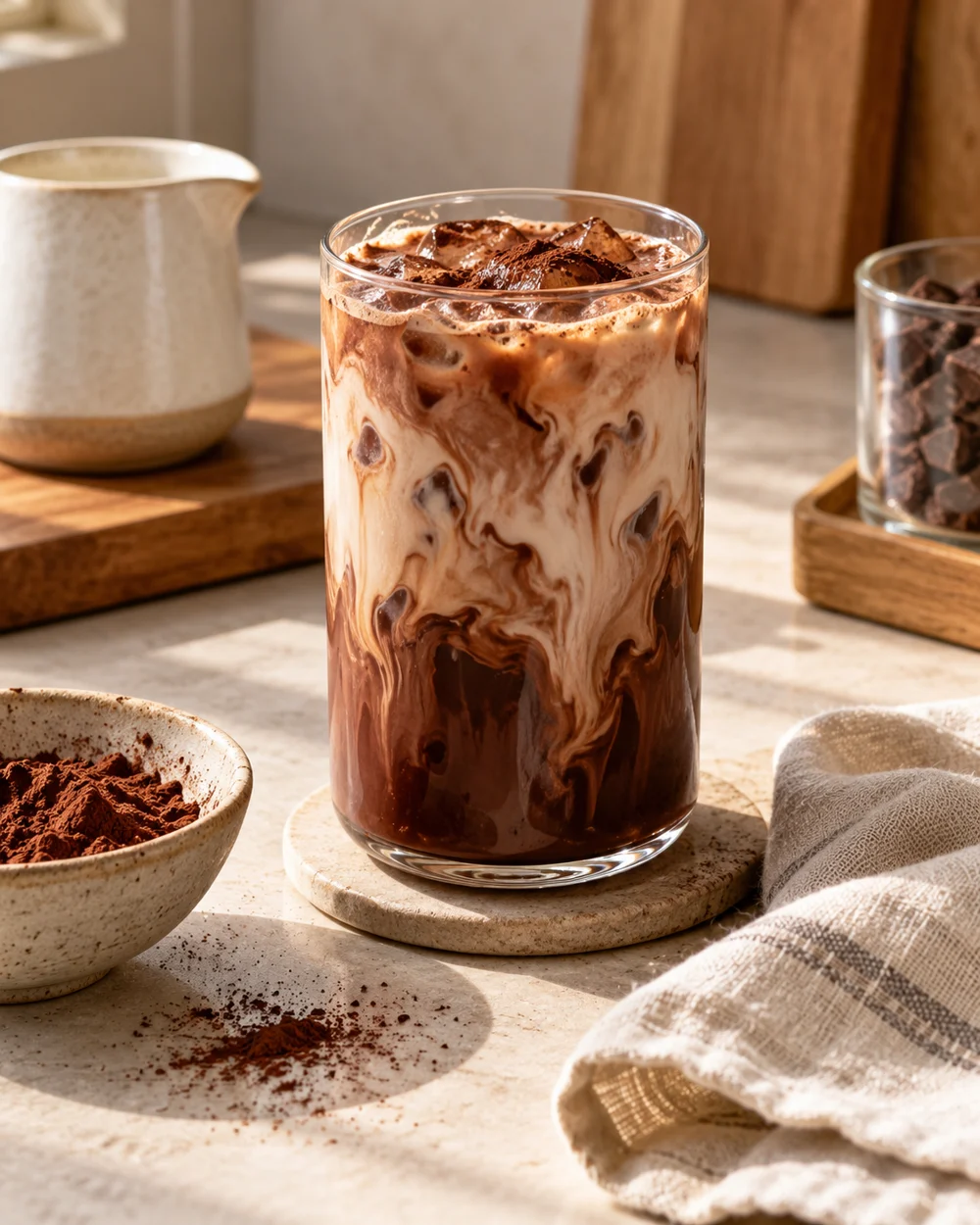
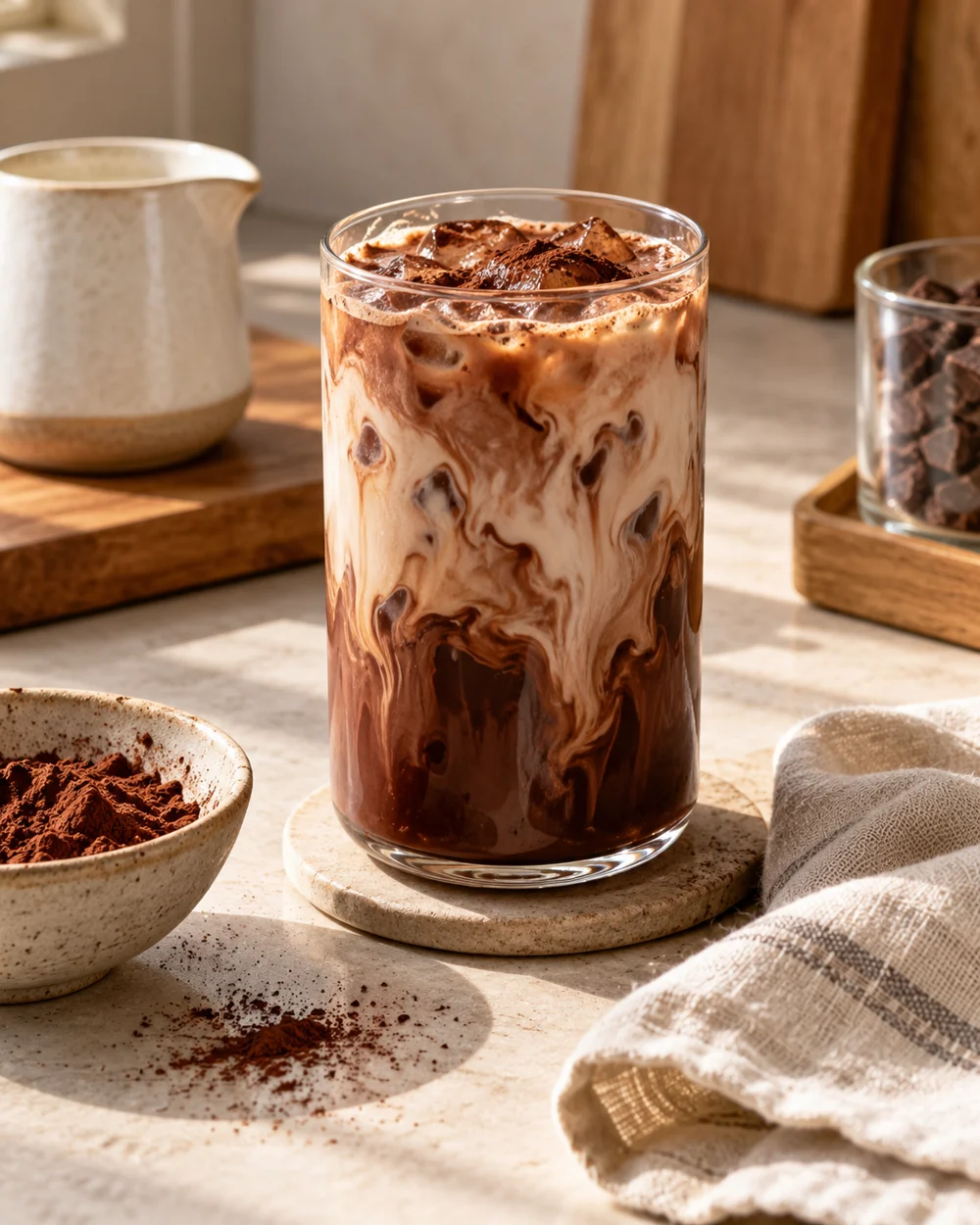
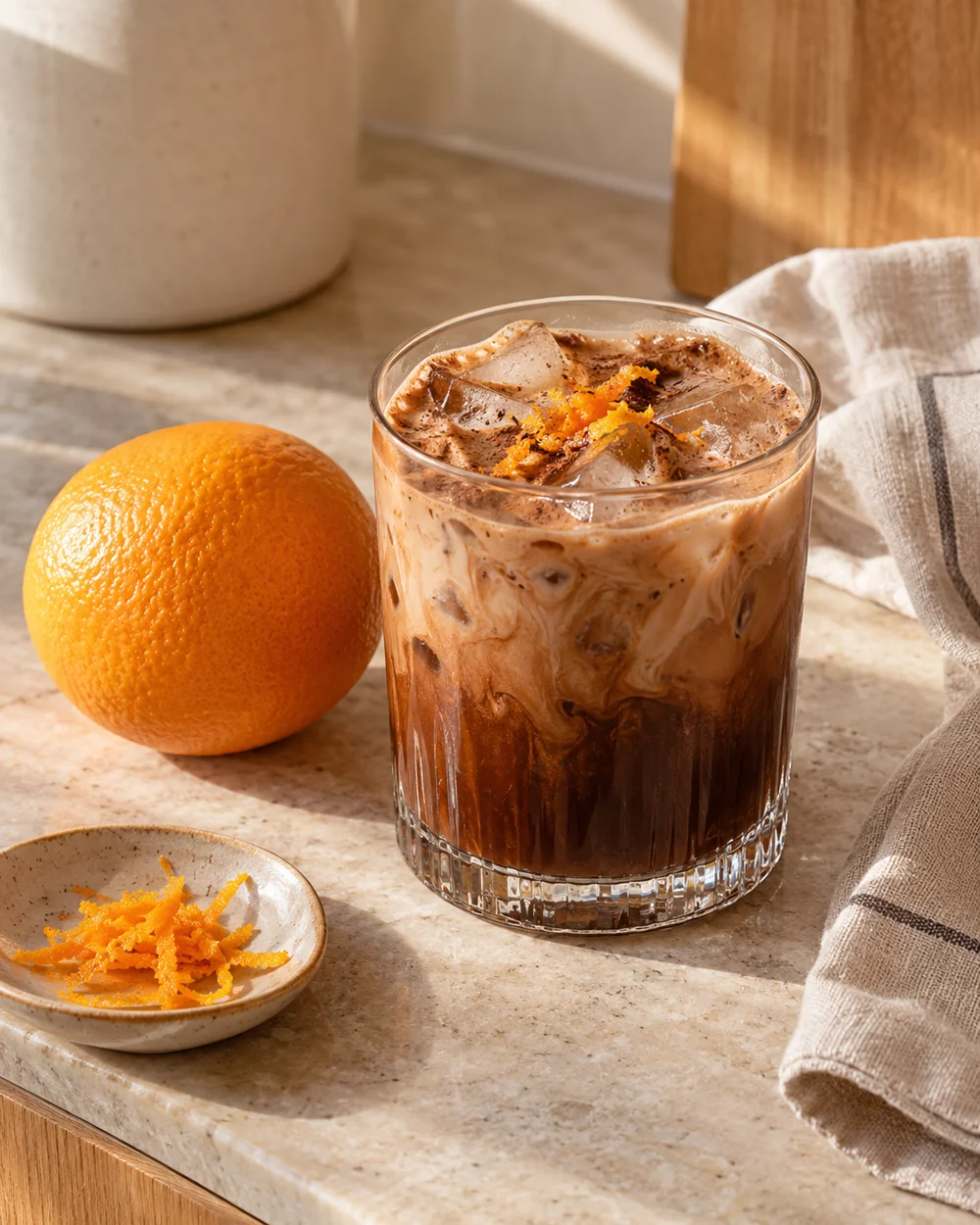
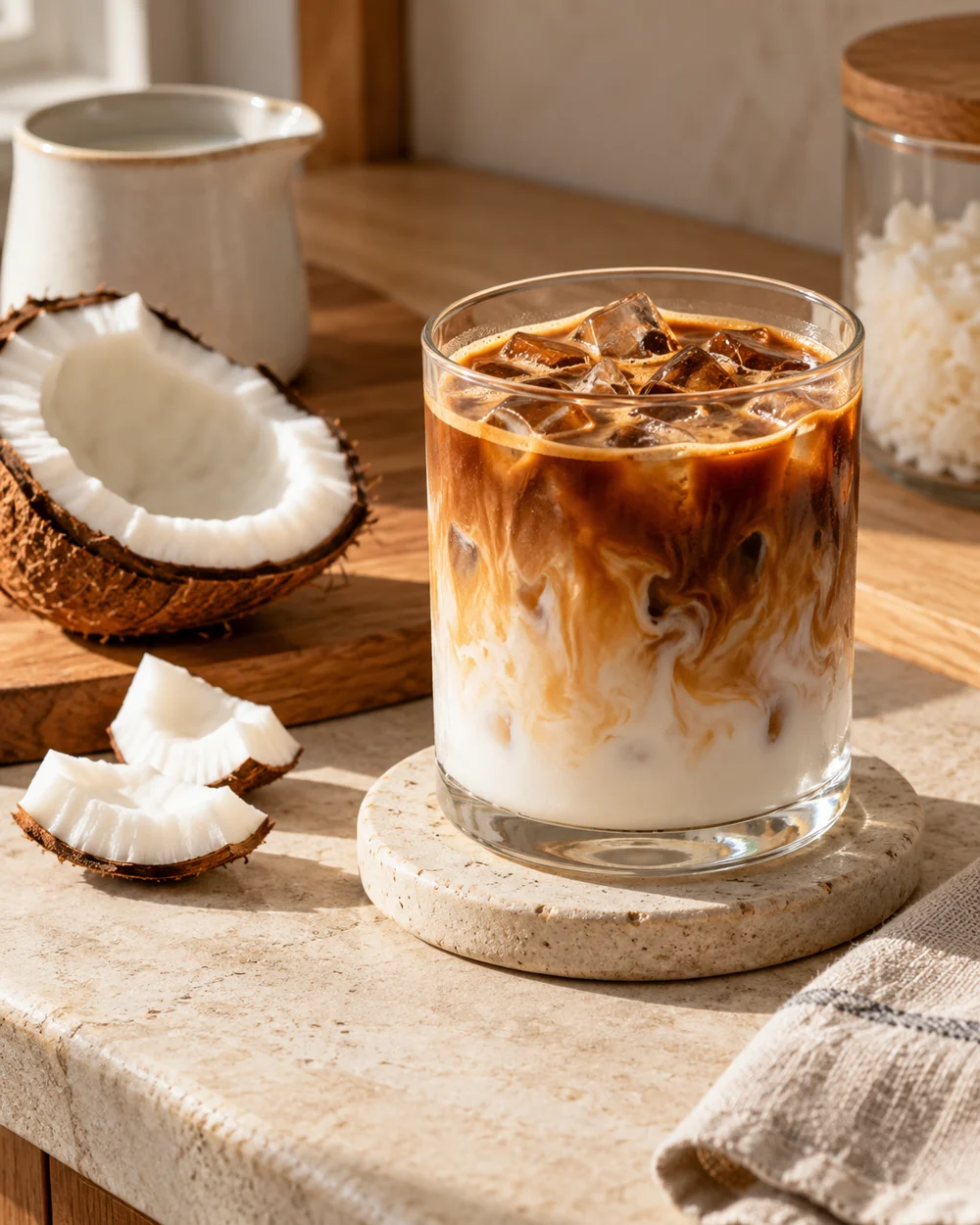
Representative category illustration reused from our editorial library; it does not depict this specific project or a tested result.
Solubility in Cold Liquids
Raw unrefined cane sugars feature large, moisture-laden crystals coated in viscous molasses. Sucrose solubility drops dramatically as beverage temperatures decline toward freezing. When coarse crystals enter cold milk or iced bases, dissolution rates stall almost completely. Agitating an iced beverage simply spins heavy crystals along the base of the glass, creating an abrasive mouthfeel and leaving intended sweetness trapped at the bottom as discarded sludge.
Espresso Thermal Extraction
Freshly extracted espresso leaves the group head at hot brewing temperatures, typically between eighty and ninety degrees Celsius. At these higher temperatures, sugar dissolves far more rapidly than in cold dairy or iced liquids. The high proportion of hot liquid to sugar, combined with immediate spoon stirring, quickly dissolves coarse raw cane granules into a smooth syrup base without needing separate pre-made simple syrups.
Vessel Pre-Loading Technique
Weigh fifteen grams of coarse dark raw sugar directly into a thick-walled ceramic or tempered glass demitasse cup prior to extraction. Position the vessel under the group head spouts so that the hot espresso streams land directly onto the dry sugar pile. The physical impact of falling espresso streams initiates immediate dissolution and breaks surface molasses coatings before the cup finishes filling.
Agitation and Cocoa Addition
Immediately upon terminating a thirty-six-gram espresso shot, stir the slurry vigorously with a small demitasse spoon for exactly fifteen seconds. If constructing an iced mocha base, stir in ten grams of unsweetened cocoa powder immediately after the sugar dissolves. The residual heat hydrates cocoa starches and suspends dry cocoa solids into the sweetened espresso concentrate smoothly before any ice is introduced.
Illustrative Temperature Profile
As a practical reference example, fifteen grams of raw cane sugar can be stirred into a thirty-six-gram double espresso shot right after extraction to form a warm, concentrated syrup. Pouring this sweetened espresso base over approximately one hundred twenty grams of cold milk and ice disperses the sweetener evenly throughout the drink without leaving gritty residue. Cooler espresso extractions or coarser raw crystals may require a few extra seconds of stirring before adding ice.
A little more
to know.
Can I simply use liquid simple syrup instead of dissolving raw sugar?
Liquid simple syrup dissolves instantly in cold liquids, but raw dark sugar contains natural molasses and minerals that impart deep toffee notes. Dissolving raw crystals directly into espresso captures these flavors without adding excess preparatory water.
Will dissolving hot sugar into espresso ruin the cold drink's chill?
A single double shot of espresso carries relatively little total thermal mass compared to a full glass of cold liquid and ice. When poured over eighty to one hundred grams of fresh ice and cold milk, the beverage chills down rapidly while keeping dilution within an acceptable range.
Original editorial guidance and recipe formulations, not independently kitchen-tested. Times are estimates and depend on equipment and product directions. Cooked bases need additional cooling and refrigeration before cold serving. Images are AI-generated illustrations; appearance and yield may vary. Check actual ingredient labels, allergens, and any certification you require. We do not certify products. Read our approach.
Save to Pinterest ↗ANOTHER IDEA FOR THE COUNTER